


Creating Career Path...

Finding Further Careers...

Paediatric Nurse

View this career for different education levels:

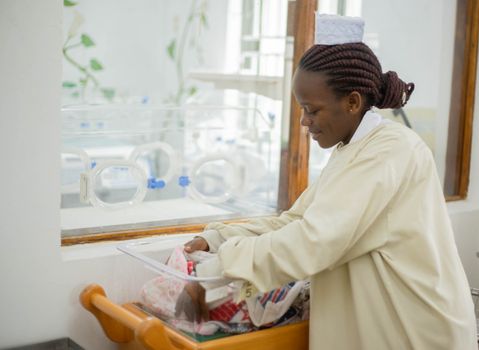
Imagine a superhero who wears scrubs and makes children feel better when they are poorly or need an operation. That is what a Paediatric Nurse does! These special nurses work in hospitals, clinics, and sometimes even in childrens homes to look after babies, toddlers, children, and teenagers. They are experts at giving medicine, checking how children are doing, and making sure they feel safe and comfortable. They also explain things in a way that children can understand, so going to the doctor or hospital isnt as scary. They play games, tell stories, and make friends with their patients to help them feel brave. It is a very kind and important job because they help young people get well enough to go home and play again. They work with doctors, play specialists, and parents to make sure every child gets the best care possible. They are always learning new things to be the best at looking after children.

Paediatric Nurse

Flag Media

Please select a reason for flagging this content.

📊 Statistics

Salary Range

A newly qualified Paediatric Nurse in the UK might earn around 28,407 pounds per year. With more experience, they could earn between 35,392 pounds and 49,975 pounds or even more.

Number of Paediatric Nurses

The NHS employs many paediatric nurses across the UK. There are thousands of wonderful nurses dedicated to helping children feel better every day. It is a very important job with a lot of opportunities.

Working Hours

Paediatric Nurses often work shifts, which can include days, nights, and weekends. This means they are always there to help children, no matter the time.

🚀 Careers in this path

Flag Media

Please select a reason for flagging this content.

School Nurse

A nurse who works at a school, helping children when they feel poorly, have a little accident, or need to take medicine during the school day. They help children stay healthy at school.

Flag Media

Please select a reason for flagging this content.

Childrens Hospital Play Specialist

Someone who works in a hospital and helps children feel happy and brave by playing games, reading stories, and doing fun activities. They help children understand what is happening and feel less scared.

Flag Media

Please select a reason for flagging this content.

Neonatal Nurse

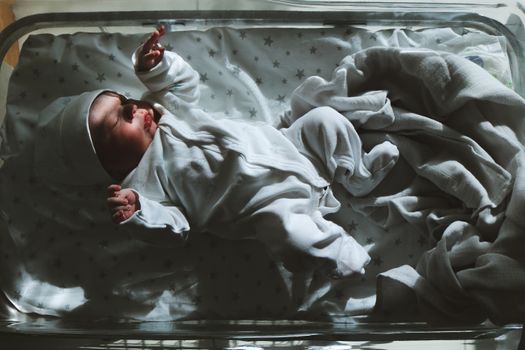
A special nurse who looks after very tiny babyies, often those who have just been born and need extra care to grow big and strong. They help these new babies and their families.

Learning and Playing

Do Well at School

Listen carefully to your teachers and try your best in all your subjects, especially science and maths, as these will help you understand how the body works.

When you are at primary school, paying attention in classes like science, where you learn about the human body, animals, and plants, is a great start. Maths helps you with understanding measurements and numbers, which nurses use a lot. Reading and writing are also super important for understanding instructions and communicating clearly. Try to be a good friend and help others too, as nurses are very kind and helpful people.

Be Kind and Helpful

Practice being a kind and caring person every day. Help your friends, family, and even your pets when they need it.

Nurses need to be very kind and understanding. You can practice this by helping your parents with chores, looking after a younger sibling, or making a friend feel better if they are sad. If you have a pet, learning to care for it responsibly, like making sure it has food and water, shows you can look after others. These small acts of kindness show you have a caring heart, which is perfect for a paediatric nurse.

Learn About Health

Find out about healthy habits like eating good food, exercising, and washing your hands to stay well.

You can learn about health by reading books about the human body, watching educational videos, or even asking your doctor questions during your check-ups. Understanding why we need to eat vegetables, play outside, and wash our hands helps you grasp the basics of staying healthy. This knowledge will be a good foundation for when you learn more complex things about health later on.

Growing Up and Exploring

Choose Helpful Subjects

When you get to secondary school, pick subjects like Biology, Chemistry, and Health and Social Care if your school offers them.

In secondary school, when you choose your GCSE subjects, think about Biology because it teaches you about the human body, which is very important for a nurse. Chemistry helps you understand medicines and how they work. Health and Social Care subjects are brilliant for learning about how to look after people and understand different health needs. These subjects will give you a strong foundation for further studies in nursing.

Join Helping Groups

Take part in groups like St John Ambulance Cadets or volunteer to help others in your community.

Joining a group like the St John Ambulance Cadets or the Red Cross can teach you basic first aid and how to help people in emergencies. It's a great way to meet new friends who also like helping people. You could also look for volunteering opportunities at local community centres, care homes, or even at school events. These experiences show that you are dedicated to helping others and give you real-life practice in caring.

Visit Hospitals or Clinics

If you can, try to visit a hospital or clinic (maybe with your parents) to see what nurses do.

Ask your parents if it's possible to visit a hospital or clinic to see the environment and how nurses work. Sometimes, schools organise trips or career days where you can learn about different jobs. This helps you understand what a paediatric nurse's day might look like and if it's something you would truly enjoy doing. Seeing nurses in action can be really inspiring and help you imagine yourself in their shoes.

Becoming a Nurse

Go to University

After secondary school, you will need to go to university to study to become a Children's Nurse (Paediatric Nurse).

To become a registered Paediatric Nurse in the UK, you need to complete a degree in Children's Nursing. This usually takes three years. Universities will look at your A-levels (or equivalent qualifications like BTEC) and your personal statement, where you explain why you want to be a nurse. Make sure you research different universities and their nursing programmes to find the one that's right for you.

Learn and Practice

During your university course, you'll learn all about children's health and spend lots of time in real hospitals and clinics helping nurses.

Your university course will be a mix of classroom learning and practical placements in hospitals, community clinics, and other healthcare settings. You will learn about different childhood illnesses, how to give medicines safely, how to communicate with children and their families, and how to perform various medical procedures. These placements are a vital part of your training, giving you hands-on experience and allowing you to work alongside experienced nurses.

Become a Registered Nurse

Once you finish university, you can become a registered Paediatric Nurse and start your amazing job helping children!

After successfully completing your university degree, you will be able to register with the Nursing and Midwifery Council (NMC). This is like getting your official badge that says you are a fully qualified and safe nurse to practice in the UK. Then, you can apply for jobs as a Paediatric Nurse in various places like hospitals, children's hospices, community health teams, or even schools. It's a very rewarding career where you make a real difference to children's lives every day.

🎬 Useful Videos

🎯 View Apprenticeships

Explore relevant apprenticeships that can help you kickstart your career in Paediatric Nurse. Apprenticeships offer hands-on experience and training while earning a wage.

Career Progressions

This page showcases various career options and the pathways to reach them. Each career listed here shares transferable skills and knowledge, making it easier for individuals to transition between them.

Your current career is highlighted to help you see how it fits into the broader landscape of potential career choices. By clicking on any career, you can learn more about it, including the training and education required to pursue it.

Remember, progressing in your career often involves further learning and training. This page provides insights into future career options as well as those that can lead up to your current one.

These career progression decisions are informed by comparing the skills and knowledge needed for different occupations, along with data on how people move between them. Explore the possibilities and discover the exciting journey ahead in your career!

Sample Qualifications

A Paediatric Nurse specialises in the care of children, from infants to adolescents, which directly aligns with the role and qualifications of a Children's nurse.

How to become

You can get into this job through:

  • a university course
  • an apprenticeship
  • working towards this role
  • a conversion course from another branch of nursing

University

You can do a degree in children's nursing approved by the Nursing and Midwifery Council (NMC).

You might be able to get extra student financial support through the NHS Learning Support Fund.

You may be able to do an extended degree that combines children's nursing with another nursing branch. You'll need to check that this type of course is recognised by the NMC.

You might be able to join the second year of a nursing degree if you already have a degree in:

  • a health-related subject
  • psychology
  • life sciences
  • social work

Full-time courses usually take 3 years.

Entry requirements

You'll usually need:

  • 4 or 5 GCSEs at grades 9 to 4 (A* to C), or equivalent, including English, maths and science
  • 2 or 3 A levels, including a science, or a level 3 diploma or access to higher education in health, science or nursing


More Information

Apprenticeship

You could apply to do a Registered Nurse Level 6 Degree Apprenticeship, if you work in a healthcare setting, like a hospital or clinic.

The degree apprenticeship takes around 4 years and is a mix of academic study and on-the-job training.

You'll need the support of your employer to do a degree apprenticeship.

Entry requirements

You'll usually need:

  • 4 or 5 GCSEs at grades 9 to 4 (A* to C) and A levels, or equivalent, for a degree apprenticeship

More Information

Work

You could work as an assistant practitioner or nursing associate and study for a shortened nursing degree to qualify as a registered children's nurse.

Volunteering

You can volunteer with a charity that works with children and young people to get some experience.

Volunteering in the NHS is also a good way to get work experience in healthcare. This can be helpful when you apply for jobs or training.

You can find further opportunities through The National Council for Voluntary Organisations (NCVO) and Do it.

Other Routes

If you're already a registered nurse, for example in adult nursing, you may be able to complete a conversion course to become a children's nurse. Courses normally take between 1 and 2 years.

More Information

Registration

Career tips

You would be expected to have an understanding of how the NHS values would apply in your work.

Further information

You can find advice about how to become a children's nurse from the Nursing & Midwifery Council and Health Careers.

Interested in More Career Paths?

Explore other careers or use our AI to discover personalised paths based on your interests.

Stay connected

Join our newsletter to stay up to date on features and releases

Address
Developing Experts Limited
Exchange Street Buildings
35-37 Exchange Street
Norwich
NR2 1DP
UK

Phone
01603 273515

Email
[email protected]

Copyright 2026 Developing Experts, All rights reserved.