



Creating Career Path...

Finding Further Careers...

Paediatric Nurse

View this career for different education levels:

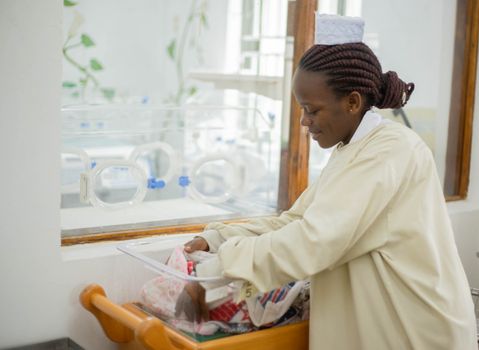
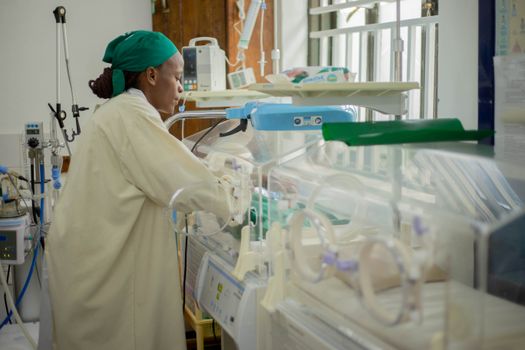
A Paediatric Nurse specialises in providing medical and nursing care to children from birth up to 18 years of age. This crucial role involves assessing, planning, implementing, and evaluating care for young patients with a wide range of health conditions, from minor illnesses to complex chronic diseases and critical injuries. You'd be working in various settings such as hospitals (wards, intensive care, accident and emergency), community health centres, schools, and even patients' homes. Your responsibilities would include administering medications, monitoring vital signs, assisting with procedures, educating families on health management, and crucially, advocating for the child's best interests. It requires exceptional communication skills to interact effectively with children of different ages, their parents or guardians, and a multidisciplinary healthcare team. Being a Paediatric Nurse is incredibly rewarding but also demanding. You need to be compassionate, resilient, and possess excellent problem-solving skills, often in high-pressure situations. The role goes beyond just physical care; it often involves providing emotional support to both children and their families during difficult times. Understanding child development and the unique physiological and psychological needs of children is paramount, as is the ability to adapt your approach to suit each individual child. Continuous professional development is also a key aspect, as you'll need to keep up-to-date with the latest medical advancements and best practices in paediatric care.

Paediatric Nurse

Flag Media

Please select a reason for flagging this content.

📊 Statistics

Average Salary Range

For a newly qualified Paediatric Nurse in the UK, the starting salary is typically around 28,407 GBP per year (NHS Band 5). With experience, this can rise to 35,000 GBP to 45,000 GBP (NHS Band 6/7) and even higher for advanced roles or senior management positions.

Number of Registered Nurses

As of March 2024, there are approximately 788,000 nurses registered with the Nursing and Midwifery Council (NMC) across the UK, a significant portion of whom specialise in various fields including paediatrics. The demand for paediatric nurses remains consistently high.

Typical Working Hours

Most paediatric nurses work around 37.5 hours per week in the NHS, often involving shift patterns that include evenings, nights, weekends, and bank holidays. Private sector roles may have slightly different structures.

🚀 Careers in this path

Flag Media

Please select a reason for flagging this content.

Neonatal Nurse

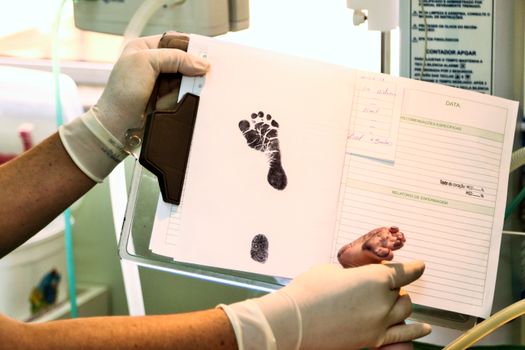
Specialises in providing care for newborn babies, particularly those who are premature, have birth defects, infections, or heart problems. This involves monitoring vital signs, administering medication, assisting with feeding, and supporting parents through a challenging time.

Flag Media

Please select a reason for flagging this content.

Paediatric Oncology Nurse

Focuses on caring for children and young people with cancer. This role involves administering chemotherapy, managing side effects, providing emotional support to patients and families, and educating them about treatment plans and palliative care.

Flag Media

Please select a reason for flagging this content.

Paediatric Intensive Care Nurse (PICU Nurse)

Works with critically ill children and adolescents in a high-dependency environment. This demanding role involves advanced monitoring, operating specialist equipment, administering complex medications, and making critical decisions to stabilise and improve a child's condition.

Foundation and Education

Achieve Relevant Qualifications

To become a Paediatric Nurse, you'll need to gain strong academic qualifications, particularly in science subjects, to meet university entry requirements for a nursing degree.

Typically, universities in the UK require a minimum of five GCSEs at grade 4 (C) or above, including English, Maths, and a science subject. For A-Levels, most programmes look for at least two, often three, at grades BBC or higher, with one science A-Level (e.g., Biology, Chemistry, Applied Science) being highly beneficial. Vocational qualifications like a BTEC National Diploma in Health and Social Care (Extended Diploma DDM) can also be accepted. Check specific university requirements as these can vary.

Complete a Nursing Degree

Enrol in and successfully complete an undergraduate degree in nursing, specialising in children's nursing.

You'll need to undertake a Bachelor of Science (BSc) in Children's Nursing, which is typically a three-year full-time programme. These degrees are accredited by the Nursing and Midwifery Council (NMC) and combine academic study with extensive practical placements in various healthcare settings, such as hospitals, community health services, and specialist paediatric units. During your degree, you'll learn about child development, common childhood illnesses, pharmacology for children, and family-centred care.

Gain Clinical Experience

During your nursing degree, actively engage in and learn from your practical placements to build essential clinical skills and experience in child healthcare.

Throughout your degree, a significant portion of your time will be spent on supervised clinical placements. These placements are crucial for applying theoretical knowledge, developing practical skills like administering medication, monitoring vital signs, and communicating with children and their families. You'll work in diverse settings, including children's wards, neonatal units, community clinics, and sometimes even schools, giving you a broad understanding of paediatric care. Embrace every learning opportunity and ask questions.

Registration and Early Career

Register with the NMC

Upon successful completion of your nursing degree, you must register with the Nursing and Midwifery Council (NMC) to legally practice as a registered nurse in the UK.

Registration with the NMC is mandatory for all practising nurses in the UK. After graduating from an NMC-approved programme, you can apply for registration. This process confirms you meet the required standards of education, training, and professional conduct. Once registered, you will be a Registered Children's Nurse (RCN) and can legally use the title. The NMC maintains a public register, ensuring that all nurses are qualified and fit to practice.

Secure a Band 5 Position

Begin your career by applying for and securing a Band 5 (entry-level) Registered Children's Nurse position within an NHS trust or private healthcare provider.

Many newly qualified nurses start their careers within NHS trusts through structured preceptorship programmes. These programmes offer a supportive environment for your first year of practice, providing mentorship, further training, and opportunities to consolidate your skills. Look for roles in paediatric wards, outpatient clinics, or specialist children's hospitals. This initial experience is vital for building confidence and further developing your clinical expertise in a real-world setting.

Engage in Continuous Professional Development (CPD)

Actively participate in ongoing learning and development opportunities to keep your knowledge and skills up-to-date and meet NMC revalidation requirements.

The healthcare landscape is constantly evolving, so continuous learning is essential. This can involve attending workshops, conferences, in-house training courses, and completing online modules. CPD is also a requirement for NMC revalidation, which occurs every three years. You'll need to demonstrate reflective practice, participate in practice-related feedback, and log practice hours and CPD activities. Staying current ensures you provide the best possible care and opens doors for specialisation and career progression.

Specialisation and Advancement

Specialise in a Paediatric Area

After gaining experience, consider specialising in a particular area of paediatric nursing that aligns with your interests and the needs of child healthcare.

Paediatric nursing offers numerous specialisation routes, such as neonatal nursing (caring for newborns), paediatric intensive care (PICU), oncology (cancer care), community children's nursing, emergency nursing, mental health, or chronic disease management. Specialisation often involves undertaking further postgraduate education, such as a Master's degree or specialist courses, and gaining specific experience in that field. This allows you to develop advanced expertise and take on more complex patient cases.

Pursue Advanced Practice Roles

Advance your career by moving into roles such as an Advanced Clinical Practitioner (ACP), Nurse Specialist, or Ward Manager.

With significant experience and further education (often at Master's level), you can progress to advanced practice roles. An Advanced Clinical Practitioner (ACP) might undertake advanced assessments, diagnose conditions, prescribe medication (with appropriate training), and manage complex patient pathways. A Nurse Specialist focuses on a specific condition or patient group, providing expert advice and coordination of care. Ward Managers take on leadership and management responsibilities, overseeing a team of nurses and ensuring the smooth running of a ward. These roles offer increased autonomy, responsibility, and impact.

Explore Leadership and Education

For those interested in shaping future care and professionals, opportunities exist in nursing leadership, management, or education roles.

Experienced paediatric nurses can transition into leadership positions within healthcare organisations, such as Matron or Head of Nursing, influencing policy and service development. Alternatively, you could move into nurse education, working at universities to teach and mentor the next generation of children's nurses, or taking on roles as clinical educators within trusts. These paths allow you to contribute to the broader nursing profession, develop others, and drive improvements in patient care at a systemic level.

🎯 View Apprenticeships

Explore relevant apprenticeships that can help you kickstart your career in Paediatric Nurse. Apprenticeships offer hands-on experience and training while earning a wage.

Career Progressions

This page showcases various career options and the pathways to reach them. Each career listed here shares transferable skills and knowledge, making it easier for individuals to transition between them.

Your current career is highlighted to help you see how it fits into the broader landscape of potential career choices. By clicking on any career, you can learn more about it, including the training and education required to pursue it.

Remember, progressing in your career often involves further learning and training. This page provides insights into future career options as well as those that can lead up to your current one.

These career progression decisions are informed by comparing the skills and knowledge needed for different occupations, along with data on how people move between them. Explore the possibilities and discover the exciting journey ahead in your career!

Sample Qualifications

A Paediatric Nurse is specifically trained and qualified to care for infants, children, and young people, which directly corresponds to the role and responsibilities of a Children's nurse.

How to become

You can get into this job through:

  • a university course
  • an apprenticeship
  • working towards this role
  • a conversion course from another branch of nursing

University

You can do a degree in children's nursing approved by the Nursing and Midwifery Council (NMC).

You might be able to get extra student financial support through the NHS Learning Support Fund.

You may be able to do an extended degree that combines children's nursing with another nursing branch. You'll need to check that this type of course is recognised by the NMC.

You might be able to join the second year of a nursing degree if you already have a degree in:

  • a health-related subject
  • psychology
  • life sciences
  • social work

Full-time courses usually take 3 years.

Entry requirements

You'll usually need:

  • 4 or 5 GCSEs at grades 9 to 4 (A* to C), or equivalent, including English, maths and science
  • 2 or 3 A levels, including a science, or a level 3 diploma or access to higher education in health, science or nursing


More Information

Apprenticeship

You could apply to do a Registered Nurse Level 6 Degree Apprenticeship, if you work in a healthcare setting, like a hospital or clinic.

The degree apprenticeship takes around 4 years and is a mix of academic study and on-the-job training.

You'll need the support of your employer to do a degree apprenticeship.

Entry requirements

You'll usually need:

  • 4 or 5 GCSEs at grades 9 to 4 (A* to C) and A levels, or equivalent, for a degree apprenticeship

More Information

Work

You could work as an assistant practitioner or nursing associate and study for a shortened nursing degree to qualify as a registered children's nurse.

Volunteering

You can volunteer with a charity that works with children and young people to get some experience.

Volunteering in the NHS is also a good way to get work experience in healthcare. This can be helpful when you apply for jobs or training.

You can find further opportunities through The National Council for Voluntary Organisations (NCVO) and Do it.

Other Routes

If you're already a registered nurse, for example in adult nursing, you may be able to complete a conversion course to become a children's nurse. Courses normally take between 1 and 2 years.

More Information

Registration

Career tips

You would be expected to have an understanding of how the NHS values would apply in your work.

Further information

You can find advice about how to become a children's nurse from the Nursing & Midwifery Council and Health Careers.

Interested in More Career Paths?

Explore other careers or use our AI to discover personalised paths based on your interests.

Stay connected

Join our newsletter to stay up to date on features and releases

Address
Developing Experts Limited
Exchange Street Buildings
35-37 Exchange Street
Norwich
NR2 1DP
UK

Phone
01603 273515

Email
[email protected]

Copyright 2026 Developing Experts, All rights reserved.