


Creating Career Path...

Finding Further Careers...

Wildfire Firefighter

View this career for different education levels:

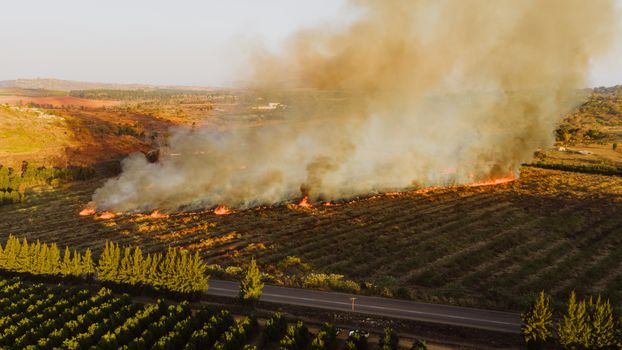
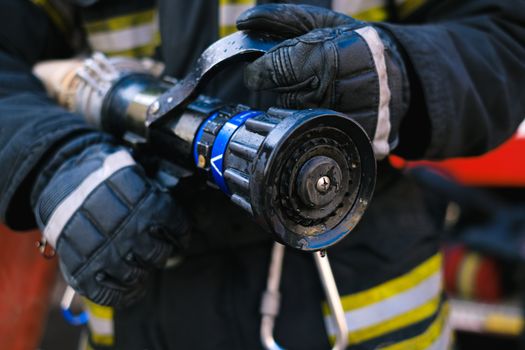
Imagine a big field or a forest that has caught fire – that is a wildfire! Wildfire firefighters are very brave people who work to put out these large outdoor fires. They learn all about how fire works and how to stop it from spreading, which is very important for protecting homes, animals, and the beautiful countryside. They might use special hoses, tools to dig firebreaks (spaces where fire cannot cross), and sometimes even work with helicopters that drop water. It is a job that needs lots of training, teamwork, and a brave heart. Being a wildfire firefighter means working outdoors in all sorts of weather. One day you might be helping to put out a fire in a hot, dry field, and the next you could be training or checking equipment. They also help teach people how to prevent fires in the first place, like being careful with barbecues or campfires. It is a really important job because wildfires can be very dangerous and cause a lot of damage, but these heroes are there to keep us safe.

Wildfire Firefighter

Flag Media

Please select a reason for flagging this content.

📊 Statistics

Starting Salary

A new firefighter in the UK might start on a salary of around 24,000 to 32,000 pounds per year, which can increase with experience.

Experienced Salary

With more experience and extra training, a firefighter in the UK can earn between 32,000 and 40,000 pounds or even more.

Number of Firefighters

There are over 30,000 firefighters across the UK, ready to help keep everyone safe from fires, including those in the wild.

🚀 Careers in this path

Flag Media

Please select a reason for flagging this content.

Forest Ranger

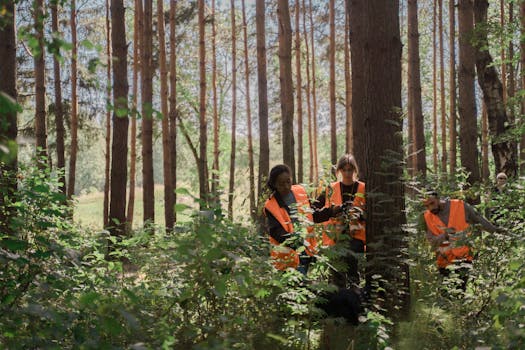
A Forest Ranger looks after a forest and all the plants and animals in it. They make sure the trees are healthy and help prevent fires by keeping an eye on things.

Flag Media

Please select a reason for flagging this content.

Fire Safety Officer

A Fire Safety Officer teaches people how to stay safe from fires. They might visit schools and homes to show everyone how to stop fires starting and what to do if one happens.

Flag Media

Please select a reason for flagging this content.

Helicopter Pilot for Emergencies

A Helicopter Pilot for Emergencies flies a helicopter to help people in difficult situations, like delivering water to put out big fires or rescuing people who are stuck.

Learning and Playing Safely

Learn About Fire Safety

Understand how fires start and how to prevent them. This is the first step in helping to keep everyone safe.

At home and at school, you can learn about fire safety. This includes knowing not to play with matches, being careful with electricity, and what to do if you see a fire. Understanding how to stop fires from starting is super important, even for grown-up firefighters!

Stay Active and Healthy

Wildfire firefighters need to be strong and fit to do their job. Start building your strength and stamina now!

Playing outside, running, jumping, and riding your bike are great ways to get strong. Eating healthy food like fruits and vegetables will also give you lots of energy. Firefighters often have to carry heavy equipment and walk long distances, so being fit is a big part of the job.

Learn About Nature

Knowing about forests, trees, and how they grow helps firefighters understand wildfires better.

Visit parks, woods, or even watch nature documentaries. Learn the names of different trees and plants. Understanding how forests work, what makes them dry, and how fire spreads through them is really useful for a wildfire firefighter. It helps them know the best way to tackle a blaze.

Growing Up and Learning Skills

Be a Good Team Player

Firefighters always work together as a team. Practice working well with others in your games and school projects.

Whether it's playing football, working on a group project at school, or helping your family with chores, learning to co-operate is key. Wildfire firefighters rely on each other to stay safe and put out fires effectively. Listening to others and helping them out are important teamwork skills.

Learn About Tools and Equipment

Discover how different tools work and how to use them safely. This helps you understand what firefighters use.

You can start by helping with simple tasks at home, like using a broom or a watering can. As you get older, you might learn about more complex tools in design and technology classes at school. Wildfire firefighters use special tools like hoses, axes, and even big vehicles, so understanding how tools work is a good start.

Practice Being Brave and Calm

Sometimes things can be a bit scary, but firefighters need to stay calm and brave. Practice this in your everyday life.

If you're ever feeling a bit nervous, try to take a deep breath and think about what to do. Wildfire firefighters face challenging situations, and being able to stay calm helps them think clearly and make good decisions. You can practice this by trying new things or facing small challenges bravely.

Becoming a Wildfire Firefighter

Join the Fire Cadets (When You Are Older)

If your local fire service has a Fire Cadets programme, it's a fantastic way to learn about firefighting when you're a bit older.

Fire Cadets programmes are for teenagers and teach you lots of skills like teamwork, discipline, and basic firefighting knowledge. You'll get to meet real firefighters and see some of their equipment. It's a great insight into what the job is like and will help you decide if it's the right path for you.

Stay Healthy and Strong (Always)

Keep up your fitness and healthy eating habits, as being strong is super important for this job.

As you get older, you can join sports clubs, go to the gym, or find other ways to stay active. Wildfire firefighting is physically demanding, so maintaining excellent health and fitness is crucial. You'll need to be able to pass fitness tests when you apply to become a firefighter.

Train to Be a Firefighter

When you're grown up, you can apply to train with a fire and rescue service to become a professional firefighter.

Look for opportunities to join a local fire and rescue service, often they will advertise for new recruits. You will go through an application process that includes tests and interviews, and then if successful, you will complete intensive training. This training will teach you everything you need to know to safely and effectively fight fires, including wildfires.

🎯 View Apprenticeships

Explore relevant apprenticeships that can help you kickstart your career in Wildfire Firefighter. Apprenticeships offer hands-on experience and training while earning a wage.

Career Progressions

This page showcases various career options and the pathways to reach them. Each career listed here shares transferable skills and knowledge, making it easier for individuals to transition between them.

Your current career is highlighted to help you see how it fits into the broader landscape of potential career choices. By clicking on any career, you can learn more about it, including the training and education required to pursue it.

Remember, progressing in your career often involves further learning and training. This page provides insights into future career options as well as those that can lead up to your current one.

These career progression decisions are informed by comparing the skills and knowledge needed for different occupations, along with data on how people move between them. Explore the possibilities and discover the exciting journey ahead in your career!

Sample Qualifications

A Wildfire Firefighter is a specialised type of firefighter whose primary duty is to combat wildfires, which directly aligns with the broader responsibilities and training of a general 'Firefighter'.

How to become

You can get into this job through:

  • a college course
  • an apprenticeship
  • applying directly
  • a fire service training course

College

You could take a college course before applying to join the fire service as a trainee, though this is not essential.

Courses include:

  • public services
  • fire and rescue services in the community

Entry requirements

Entry requirements for these courses vary.

More Information

Apprenticeship

You could apply for an Operational Firefighter Level 3 Advanced Apprenticeship with a fire and rescue service.

The apprenticeship takes about 2 years and combines on-the-job training with off-site study.

Entry requirements

You'll usually need:

  • GCSEs grades 9 to 4 (A* to C), or equivalent, in English and maths

More Information

Volunteering

Volunteering or working in a support role, for example emergency call handling or fire safety home visits, will give you an idea of what the job is like, as well as access to internal vacancies. You'll usually need to be 18 or over.

Most fire and rescue services also run a Fire Cadets scheme. They're typically aimed at young people aged between 13 and 17 and offer a few hours' training each week in:

  • basic firefighting drills
  • using equipment
  • first aid
  • fire safety

Contact your local fire service to find out more about volunteering opportunities and fire cadets.

Direct Application

You can apply directly to join the fire service. Each service sets its own entry requirements.

Many ask for GCSEs at grades 9 to 4 (A* to C) in English and maths, or equivalent qualifications.

The selection process can take some time and involves:

  • online aptitude tests
  • attendance at an assessment centre
  • fitness and medical checks
  • interviews

Fire services hold regular outreach events where you can speak to firefighters about the job and register your interest for upcoming vacancies.

Other Routes

You may be able to join the fire service as an on-call firefighter.

You'll be trained to deal with a broad range of incidents in return for a commitment to provide shift cover during days, nights and weekends. This is a paid position and could lead to a full-time role when opportunities arise.

You can also train to be a firefighter in the Royal Air Force (RAF).

More Information

Career tips

Fire services take on new recruits at different times of the year, so check with your local fire service to find out when they are recruiting next.

Further information

You can contact your local fire and rescue service for a firefighter careers information and recruitment pack.

Interested in More Career Paths?

Explore other careers or use our AI to discover personalised paths based on your interests.

Stay connected

Join our newsletter to stay up to date on features and releases

Address
Developing Experts Limited
Exchange Street Buildings
35-37 Exchange Street
Norwich
NR2 1DP
UK

Phone
01603 273515

Email
[email protected]

Copyright 2026 Developing Experts, All rights reserved.
