

Creating Career Path...

Finding Further Careers...

Wildfire Firefighter

View this career for different education levels:

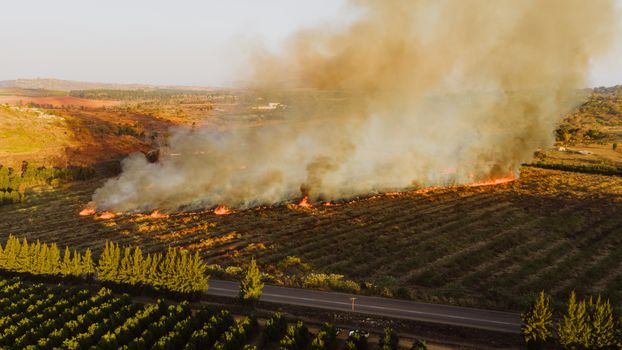
A Wildfire Firefighter in the UK plays a crucial role in preventing, managing, and extinguishing fires in rural, wildland, and semi-urban interfaces. This involves working with diverse landscapes, from moorlands and forests to heathlands, which are increasingly susceptible to wildfires due to climate change. The job isn't just about putting out fires; it encompasses proactive measures like creating fire breaks, conducting controlled burns to reduce fuel loads, and educating communities on fire safety and prevention. It requires a high level of physical fitness, resilience, and the ability to work effectively under pressure, often in challenging and rapidly changing environments. Wildfire firefighters utilise specialised equipment and tactics, different from structural firefighting, focusing on containing fires and protecting natural habitats and rural properties. Day-to-day duties can vary significantly depending on the season and immediate risk. During periods of high fire risk, a wildfire firefighter might be on standby, patrolling vulnerable areas, or actively engaging in fire suppression efforts using specialist vehicles, hand tools, and water delivery systems. They also collaborate extensively with other agencies, such as land management organisations, forestry commissions, and national parks, to develop and implement long-term wildfire management strategies. This career path offers a blend of emergency response, environmental protection, and community engagement, demanding continuous training and adaptability to new technologies and fire behaviour science.

Wildfire Firefighter

Flag Media

Please select a reason for flagging this content.

📊 Statistics

Starting Salary Range (UK)

For entry-level firefighters, the starting salary in the UK typically ranges from approximately 24,000 to 32,000 pounds per year, depending on the fire and rescue service. This often increases significantly with experience and promotion.

Experienced Salary Range (UK)

Experienced firefighters, especially those specialising in wildfire response or in supervisory roles, can earn between 32,000 and 40,000 pounds annually, with some specialist roles potentially reaching higher figures.

Number of Firefighters (UK)

As of 2023, there are around 32,000 firefighters across the UK's fire and rescue services. While a specific breakdown for 'wildfire' firefighters isn't typically separated, this role is often a specialisation within general fire services or dedicated rural fire teams.

🚀 Careers in this path

Flag Media

Please select a reason for flagging this content.

Arboricultural Consultant

Advise on tree health, management, and risk in urban and wildland interfaces, often working with local councils, developers, and landowners to prevent and manage risks including fire.

Flag Media

Please select a reason for flagging this content.

Fire Risk Assessor

Specialise in evaluating properties and land for potential fire hazards, developing risk assessments, and recommending preventative measures. This often involves working with businesses and organisations to ensure compliance with fire safety regulations.

Flag Media

Please select a reason for flagging this content.

Environmental Management Officer

Work for local authorities or environmental agencies, focusing on land management, habitat conservation, and developing strategies for resilience against environmental threats, including natural disasters like wildfires.

Foundation and Preparation

Research and Understand the Role

Gain a comprehensive understanding of what a Wildfire Firefighter's job entails, including the physical demands, working conditions, and responsibilities.

Start by researching the specific duties, shift patterns, and potential hazards of working as a Wildfire Firefighter in the UK. This isn't your typical urban firefighting role; it involves extended periods in remote areas, often camping, with long shifts. Look into organisations like the National Park Authorities, Forestry England, and private contractors that employ wildland firefighters. Understand the distinction between urban firefighters and wildland specialists.

Meet Basic Eligibility Criteria

Ensure you meet the fundamental age, legal right to work, and driving licence requirements for entry-level positions.

Most entry-level positions require you to be at least 18 years old, have the legal right to work in the UK, and often possess a full, clean UK driving licence. A Category B licence is usually sufficient, but having Category C1 (for vehicles between 3,500 and 7,500kg) can be an advantage for driving specialist equipment. Some roles may require specific health clearances due to the demanding nature of the job.

Prioritise Physical Fitness

Develop and maintain an extremely high level of physical fitness, which is crucial for the demanding nature of the job.

Wildfire firefighting is physically gruelling. You'll be expected to hike long distances carrying heavy equipment, dig firebreaks, fell trees, and work in arduous conditions often for extended periods. Focus on endurance, strength, and cardiovascular fitness. Incorporate running, rucksack carrying (weighted hikes), circuit training, and strength exercises into your routine. Many roles will involve a rigorous fitness assessment that simulates the job's demands.

Training and Qualifications

Undertake Essential Firefighting Training

Acquire fundamental firefighting skills and knowledge through recognised courses and certifications.

While specific wildland firefighting courses are key, having a general understanding of firefighting principles is beneficial. Look for courses like the 'Basic Wildland Firefighter' or 'Introduction to Wildfire Behaviour' offered by specialist training providers or relevant organisations. These will cover fire theory, safety procedures, tool use, and basic tactics. Some roles may require specific qualifications such as an L3 Award in Wildfire Operations or similar vocational training.

Gain Relevant Auxiliary Certifications

Obtain additional certifications that enhance your suitability and safety for working in remote and dangerous environments.

Consider getting certified in first aid (e.g., ITC Level 3 Award in Outdoor First Aid or Emergency First Aid at Work), chainsaw operation (NPTC units such as CS30/31), or off-road driving. These skills are highly valued and often essential for wildland operations, demonstrating your preparedness for the diverse challenges you'll face. Other useful qualifications could include navigation skills (map and compass) and brush cutter certification.

Build Practical Experience (Voluntary or Paid)

Seek opportunities to gain hands-on experience in fire management, conservation, or related outdoor work.

Even if it's not directly firefighting, experience in outdoor manual labour, conservation work, or land management can be very beneficial. Volunteer with local conservation groups, woodland management projects, or even the Fire and Rescue Service in a support capacity. This demonstrates your commitment, ability to work outdoors in challenging conditions, and teamwork skills, which are all critical for a Wildfire Firefighter. Any experience using hand tools in an outdoor setting is valuable.

Entry and Development

Apply for Entry-Level Positions

Actively search and apply for seasonal or entry-level Wildfire Firefighter roles with relevant employers.

Look for vacancies with organisations such as Forestry England, National Park Authorities, private land management companies, or even local Fire and Rescue Services during high-risk seasons. Many wildland firefighting roles are seasonal contracts, especially during spring and summer. Tailor your CV and cover letter to highlight your physical fitness, relevant certifications, and any practical outdoor experience. Be prepared for rigorous interview processes and physical assessments.

Continuous Professional Development

Once employed, commit to ongoing training, skill development, and gaining experience on the job.

Wildfire fighting is a field of continuous learning. Once you're in, take every opportunity to learn from experienced colleagues, attend internal training courses, and seek out specialised qualifications (e.g., incident command, advanced fire behaviour, specialist equipment operation). Your first few seasons will be critical for building practical knowledge and expertise in real-world scenarios. Progression often depends on demonstrating initiative and a willingness to upskill.

Network and Specialise

Build connections within the wildland firefighting community and consider specialising in specific areas of operation.

Attend industry events, workshops, and maintain contact with fellow firefighters. Networking can open doors to new opportunities and shared knowledge. As you gain experience, you might find an interest in specialising in areas like incident management, fire behaviour analysis, operating specific heavy machinery, or becoming a 'Hotshot' (a highly trained and mobile wildfire suppression crew). Specialisation can lead to more advanced and leadership roles within the profession.

🎬 Useful Videos

🎯 View Apprenticeships

Explore relevant apprenticeships that can help you kickstart your career in Wildfire Firefighter. Apprenticeships offer hands-on experience and training while earning a wage.

Career Progressions

This page showcases various career options and the pathways to reach them. Each career listed here shares transferable skills and knowledge, making it easier for individuals to transition between them.

Your current career is highlighted to help you see how it fits into the broader landscape of potential career choices. By clicking on any career, you can learn more about it, including the training and education required to pursue it.

Remember, progressing in your career often involves further learning and training. This page provides insights into future career options as well as those that can lead up to your current one.

These career progression decisions are informed by comparing the skills and knowledge needed for different occupations, along with data on how people move between them. Explore the possibilities and discover the exciting journey ahead in your career!

Sample Qualifications

A Wildfire Firefighter is a specialised type of firefighter whose primary duty is to extinguish fires, particularly in natural environments. Their core qualifications and responsibilities align directly with the broader 'Firefighter' classification, rather than 'Geospatial technician' which focuses on mapping and data.

How to become

You can get into this job through:

  • a college course
  • an apprenticeship
  • applying directly
  • a fire service training course

College

You could take a college course before applying to join the fire service as a trainee, though this is not essential.

Courses include:

  • public services
  • fire and rescue services in the community

Entry requirements

Entry requirements for these courses vary.

More Information

Apprenticeship

You could apply for an Operational Firefighter Level 3 Advanced Apprenticeship with a fire and rescue service.

The apprenticeship takes about 2 years and combines on-the-job training with off-site study.

Entry requirements

You'll usually need:

  • GCSEs grades 9 to 4 (A* to C), or equivalent, in English and maths

More Information

Volunteering

Volunteering or working in a support role, for example emergency call handling or fire safety home visits, will give you an idea of what the job is like, as well as access to internal vacancies. You'll usually need to be 18 or over.

Most fire and rescue services also run a Fire Cadets scheme. They're typically aimed at young people aged between 13 and 17 and offer a few hours' training each week in:

  • basic firefighting drills
  • using equipment
  • first aid
  • fire safety

Contact your local fire service to find out more about volunteering opportunities and fire cadets.

Direct Application

You can apply directly to join the fire service. Each service sets its own entry requirements.

Many ask for GCSEs at grades 9 to 4 (A* to C) in English and maths, or equivalent qualifications.

The selection process can take some time and involves:

  • online aptitude tests
  • attendance at an assessment centre
  • fitness and medical checks
  • interviews

Fire services hold regular outreach events where you can speak to firefighters about the job and register your interest for upcoming vacancies.

Other Routes

You may be able to join the fire service as an on-call firefighter.

You'll be trained to deal with a broad range of incidents in return for a commitment to provide shift cover during days, nights and weekends. This is a paid position and could lead to a full-time role when opportunities arise.

You can also train to be a firefighter in the Royal Air Force (RAF).

More Information

Career tips

Fire services take on new recruits at different times of the year, so check with your local fire service to find out when they are recruiting next.

Further information

You can contact your local fire and rescue service for a firefighter careers information and recruitment pack.

Interested in More Career Paths?

Explore other careers or use our AI to discover personalised paths based on your interests.

Stay connected

Join our newsletter to stay up to date on features and releases

Address
Developing Experts Limited
Exchange Street Buildings
35-37 Exchange Street
Norwich
NR2 1DP
UK

Phone
01603 273515

Email
[email protected]

Copyright 2026 Developing Experts, All rights reserved.
