Creating Career Path...

Finding Further Careers...

Oceanographer

View this career for different education levels:

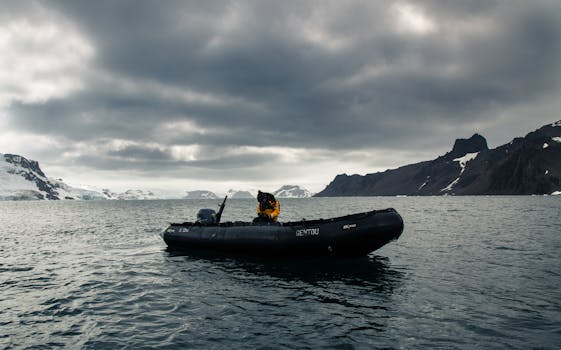
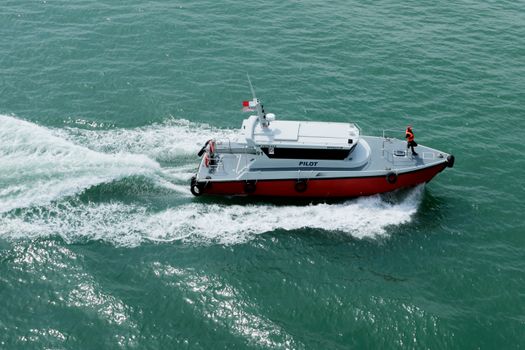
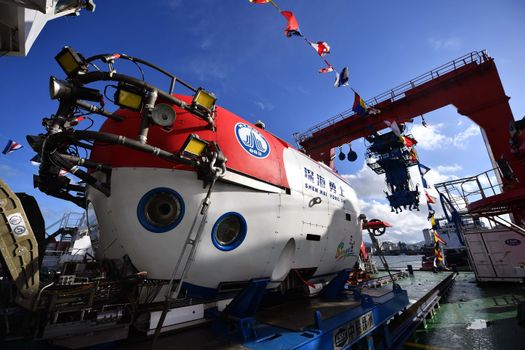
As an Oceanographer in the UK, you would be dedicated to studying the world's oceans, their ecosystems, and their interactions with the Earth's climate and landmasses. This incredibly diverse field involves collecting and analysing data from the sea, using advanced scientific instruments, remotely operated vehicles, and even satellite imagery. Your work might involve extensive fieldwork, often spending time at sea on research vessels, as well as significant laboratory analysis and computer modelling. You could specialise in various areas, such as physical oceanography (studying currents, waves, and ocean temperature), chemical oceanography (analysing the composition of seawater), biological oceanography (examining marine life and ecosystems), or geological oceanography (investigating the seafloor and plate tectonics). The insights gained from your research are crucial for understanding climate change, protecting marine biodiversity, managing fisheries sustainably, and informing policy related to coastal development and offshore industries. It requires a strong scientific background, excellent analytical skills, and often a passion for the marine environment. Your day-to-day tasks could involve planning research expeditions, deploying sensors, collecting water samples, identifying marine organisms, operating complex scientific equipment, and interpreting vast datasets. You would likely use specialised software for data analysis and visualisation, and a significant part of the role involves writing reports, publishing research papers, and presenting your findings at conferences. Collaboration is key in this field, working alongside other scientists, engineers, and policymakers. Opportunities exist within universities, government agencies like the Environment Agency or the Marine Management Organisation, research institutes such as the National Oceanography Centre, and private consultancies involved in environmental assessment or offshore energy.

Oceanographer

Flag Media

Please select a reason for flagging this content.

📊 Statistics

Typical Starting Salary Range

For entry-level positions in the UK, a starting salary for an Oceanographer can range from approximately 20,000 to 28,000 pounds per year. This can vary based on the employer, location, and specific role.

Experienced Professional Salary Range

With several years of experience, a principal or senior Oceanographer in the UK could expect to earn between 35,000 to 50,000 pounds annually. Highly specialised roles or those in leadership positions might command salaries upwards of 60,000 pounds.

Job Market Outlook

While a niche field, the demand for Oceanographers in the UK is driven by climate change research, marine conservation, offshore energy (renewables and oil/gas), and coastal management. The number of new positions can fluctuate but there is a steady requirement for skilled professionals.

🚀 Careers in this path

Flag Media

Please select a reason for flagging this content.

Marine Biologist

Investigates marine life and ecosystems, focusing on the behaviour, physiology, and conservation of sea creatures. This could involve field work, laboratory research, or policy development.

Flag Media

Please select a reason for flagging this content.

Coastal Engineer

Applies engineering principles to design and manage coastal areas, addressing issues like erosion, flood defence, and port development. Involves understanding ocean dynamics and their impact on land.

Flag Media

Please select a reason for flagging this content.

Hydrographic Surveyor

Maps and charts the seafloor and coastal areas to support navigation, construction, and resource management. Uses sonar and other advanced technologies to collect data on depth, tides, and underwater features.

Foundation and Education

Undergraduate Degree

Obtain a relevant undergraduate degree in a scientific field to build a strong theoretical base.

Start by pursuing a Bachelor's degree in a science subject such as Oceanography, Marine Science, Biology, Chemistry, Physics, Geology, Environmental Science, or a related engineering discipline. Look for programmes that offer modules in marine biology, physical oceanography, chemical oceanography, and geological oceanography. Many universities in the UK offer specialised marine science or oceanography degrees that provide an excellent foundation. Focus on developing strong quantitative and analytical skills.

Gain Work Experience

Seek out internships, volunteering, or placements to gain practical experience in marine environments.

During your undergraduate studies, actively look for opportunities to gain hands-on experience. This could involve summer internships with research institutions, environmental consultancies, government agencies (like Cefas or Natural England), or even charities focused on marine conservation. Volunteering for beach clean-ups, marine mammal surveys, or assisting with university research projects can also be invaluable. Practical experience will help you understand the day-to-day realities of the profession and build a network.

Develop Key Skills

Cultivate essential scientific, analytical, and field skills crucial for an Oceanographer.

Beyond academic knowledge, develop practical skills such as data analysis (using software like R, Python, or MATLAB), GIS mapping, scientific writing, statistical analysis, and fieldwork techniques (e.g., operating sampling equipment, navigation, boat handling if possible). Strong problem-solving abilities, attention to detail, and excellent communication skills (both written and verbal) are also highly valued. Learning to swim and having a basic first-aid qualification can also be beneficial for fieldwork.

Specialisation and Advanced Study

Pursue a Masters Degree

Consider a postgraduate degree to specialise in a specific area of oceanography.

Most professional Oceanographer roles, particularly in research, require a Master's (MSc) degree. This allows you to deepen your knowledge in a particular area like physical oceanography, marine biology, chemical oceanography, or marine geology. UK universities offer numerous specialised MSc programmes. During your Master's, you will typically undertake a significant research project, which is excellent for developing independent research skills and often leads to your first publication or conference presentation.

PhD Research (Optional but Recommended)

For research-focused careers, a PhD is often essential.

If your ambition is to lead research projects, work in academia, or hold senior research positions in government or industry, a Doctor of Philosophy (PhD) is highly recommended. A PhD involves several years of intensive, original research culminating in a thesis. This level of study demonstrates advanced expertise, critical thinking, and the ability to contribute new knowledge to the field. Look for funded PhD opportunities at universities and research institutions, often advertised on portals like FindAPhD.com.

Networking and Conferences

Actively network with professionals and attend scientific conferences.

Building a professional network is crucial. Attend national and international scientific conferences, workshops, and seminars related to oceanography (e.g., those organised by the Challenger Society for Marine Science). Present your research findings, engage with senior scientists, and learn about the latest developments. Networking can open doors to collaborations, job opportunities, and mentorship. Join professional societies in your field.

Career Entry and Progression

Secure Entry-Level Position

Apply for entry-level roles in research, government, or industry.

Once you have your qualifications, start applying for positions such as Research Assistant, Junior Oceanographer, Marine Scientist, or Environmental Consultant. Potential employers include government bodies (e.g., Cefas, Environment Agency), universities, marine research institutes (e.g., National Oceanography Centre), environmental consultancies, offshore energy companies, and even defence organisations. Tailor your CV and cover letter to highlight your relevant skills and experience for each specific role.

Continuous Professional Development

Stay updated with the latest scientific advancements and technologies.

The field of oceanography is constantly evolving with new technologies and discoveries. Engage in continuous professional development by attending workshops, taking short courses, reading scientific journals, and learning new software or analytical techniques. This not only keeps your skills sharp but also demonstrates your commitment to your career and helps you adapt to changing demands in the sector.

Build a Research Portfolio

Contribute to publications, reports, and present findings to establish your expertise.

As you progress, actively work towards building a strong research portfolio. This involves contributing to peer-reviewed scientific publications, writing technical reports, and presenting your work at national and international conferences. The more you publish and disseminate your findings, the more recognised you will become within the scientific community, which is vital for career progression, especially in research and academic pathways.

🎯 View Apprenticeships

Explore relevant apprenticeships that can help you kickstart your career in Oceanographer. Apprenticeships offer hands-on experience and training while earning a wage.

Career Progressions

No career progressions found for Oceanographer

Sample Qualifications

How to become

You can get into this job through a university course.

University

You can study for a degree in oceanography or a related subject, like:

  • ocean science
  • geology
  • physics
  • marine science
  • biology or chemistry
  • environmental science

Employers often look for students with postgraduate qualifications, like a master's degree or PhD. They also value experience of working in marine science, engineering or oceanographic research.

You can get experience by choosing a course that includes work placements or internships with a marine company or research centre.

You can find marine companies and research organisations through the Society for Underwater Technology.

Entry requirements

You'll usually need:

  • 5 GCSEs at grades 9 to 4 (A* to C), or equivalent, including English, maths and science
  • 3 A levels, or equivalent, including at least 1 science
  • a degree in a relevant subject for postgraduate study

More Information

More Information

Career tips

You could contact marine companies to see if you could work with them on a project as part of your university dissertation or postgraduate research. This would allow you to build up contacts in the industry, who may be able to help you find work once you complete your studies.

Further information

You can find out more about becoming an oceanographer from the:

Interested in More Career Paths?

Explore other careers or use our AI to discover personalised paths based on your interests.

Stay connected

Join our newsletter to stay up to date on features and releases

Address
Developing Experts Limited
Exchange Street Buildings
35-37 Exchange Street
Norwich
NR2 1DP
UK

Phone
01603 273515

Email
[email protected]

Copyright 2026 Developing Experts, All rights reserved.