
Creating Career Path...

Finding Further Careers...

Oceanographer

View this career for different education levels:

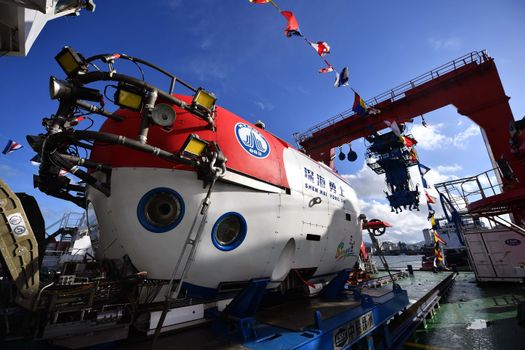
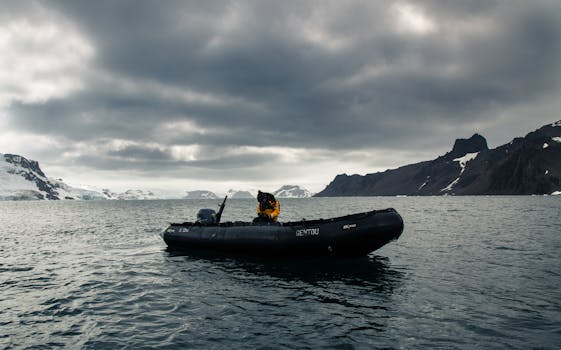
Imagine a super-explorer, but instead of jungles or space, their world is the big blue ocean! An Oceanographer is a scientist who studies everything about the ocean. They want to understand how the ocean works, what lives in it, and how it affects our planet. They might go on big ships to collect samples of water or tiny creatures, use special robots to explore the deep sea, or study how waves move and change. They look at the temperature of the water, how salty it is, and even how pollution might be hurting our marine friends. It's a very exciting job because there is still so much we dont know about the ocean! Oceanographers often work in teams and use lots of different tools, like computers to make maps of the seabed or special cameras to watch sea creatures. They might spend time in a lab looking at tiny things under a microscope or write reports to share what they have found with other scientists and even the government, to help protect our oceans. They help us understand things like how climate change affects the sea and how we can keep our beaches and marine life healthy. It's a job that helps look after our amazing planet.

Oceanographer

Flag Media

Please select a reason for flagging this content.

📊 Statistics

Average Starting Salary

For someone just starting as an Oceanographer in the UK, they might earn around 25,000 to 30,000 pounds a year. This can grow a lot as they gain more experience.

Experienced Salary

With lots of experience, an Oceanographer in the UK can earn between 35,000 to 50,000 pounds or even more each year, especially if they become experts or lead big projects.

Number of Jobs

While there aren't thousands of Oceanographer jobs like some other careers, there are always opportunities in universities, government bodies, and private companies for those who love the sea. It's a special job for special people!

🚀 Careers in this path

Flag Media

Please select a reason for flagging this content.

Marine Biologist

Imagine being a detective for the sea! A Marine Biologist studies all the amazing plants and animals that live in the ocean, like colourful fish, playful dolphins, and giant whales. They learn how they live, what they eat, and how to keep the ocean a safe and healthy home for them.

Flag Media

Please select a reason for flagging this content.

Coastal Geologist

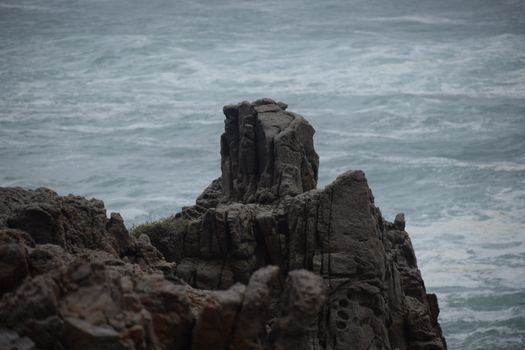
A Coastal Geologist is like a beach detective! They study the land right next to the sea, like sandy beaches, rocky cliffs, and muddy shores. They learn how waves change the land over time and how to protect our beautiful coastlines from strong storms.

Flag Media

Please select a reason for flagging this content.

Marine Archaeologist

A Marine Archaeologist is like a treasure hunter, but for history! They dive underwater to find old shipwrecks and ancient cities that got covered by the sea. They carefully explore these submerged sites to learn about how people lived long, long ago and what amazing things they left behind in the ocean.

Learn About the Ocean

Read Ocean Books

Start by reading lots of exciting books about the ocean, the amazing animals that live there, and brave explorers.

Visit your local library and ask for books about marine life, ocean currents, and famous ocean explorers like Jacques Cousteau. Look for colourful picture books that show different parts of the ocean, from coral reefs to the deep sea trench. Reading helps you learn new words and facts about the world beneath the waves.

Watch Ocean Documentaries

Watch nature shows about the ocean. You can see real oceanographers at work and discover incredible sea creatures.

Ask your grown-ups if you can watch TV shows like 'Blue Planet' or 'Our Planet'. These programmes have amazing footage of ocean animals and explain how oceanographers study them. You might see scientists using special submarines or diving gear to explore underwater worlds, which can be very inspiring.

Visit the Seaside or an Aquarium

Go to the beach or an aquarium to see the ocean and its creatures up close. It's a great way to feel connected to marine life.

When you visit the seaside, look for seashells, seaweed, and little crabs in rock pools. Notice how the waves move. At an aquarium, you can see sharks, colourful fish, and maybe even penguins! Many aquariums have educational talks where you can learn even more about ocean animals and conservation.

Do Ocean Science Activities

Do Water Experiments

Try simple science experiments at home that show how water works, like making things float or sink, or mixing colours.

You can use a bowl of water and different objects from around your house to see which ones float and which ones sink. Try adding salt to water to see if it makes things float more easily, just like in the sea! You could also mix different coloured water to see how they blend, like ocean currents. Always ask a grown-up to help you with experiments.

Learn About Sea Animals

Find out about your favourite sea animals, like dolphins, whales, or tiny plankton. How do they live in the ocean?

Choose an animal and try to draw it, or write down five interesting facts about it. For example, did you know some whales sing songs? Or that tiny plankton make their own food using sunlight, just like plants on land? Learning about different animals helps you understand how important the ocean is to all life on Earth.

Draw Ocean Maps

Pretend you are an explorer and draw maps of imaginary oceans, showing where different creatures live or where islands are.

Get some big paper and coloured pencils. Draw a map of your very own ocean, adding mountains underwater, deep trenches, and sunny coral reefs. You can even invent new sea creatures to live there! This helps you think like a scientist who maps and understands different parts of the ocean.

Share What You Know

Talk About the Ocean

Tell your friends and family all the cool things you've learned about the ocean and its creatures.

When you discover an amazing fact about a shark or a beautiful coral reef, share it! You can tell your classmates during 'show and tell' or chat about it at the dinner table. Explaining things to others helps you remember them better and might even get your friends interested in the ocean too.

Make Ocean Art

Draw pictures or make models of ocean scenes and animals to show how beautiful and important the sea is.

You could use paints, crayons, or even playdough to create your ocean masterpieces. Maybe you can make a colourful picture of a fish, or sculpt a turtle. You could even create a diorama inside a shoebox showing a coral reef. Display your art to remind everyone how wonderful the ocean is.

Be an Ocean Helper

Help keep beaches clean or learn how to save water at home to protect the ocean from afar.

If you visit a beach, always make sure to put your rubbish in the bin or take it home with you. Even far away from the ocean, saving water by turning off the tap while brushing your teeth helps, because all water eventually connects. Learning about recycling also helps keep plastic out of our oceans, protecting the animals that live there.

🎬 Useful Videos

🎯 View Apprenticeships

Explore relevant apprenticeships that can help you kickstart your career in Oceanographer. Apprenticeships offer hands-on experience and training while earning a wage.

Career Progressions

No career progressions found for Oceanographer

Sample Qualifications

How to become

You can get into this job through a university course.

University

You can study for a degree in oceanography or a related subject, like:

  • ocean science
  • geology
  • physics
  • marine science
  • biology or chemistry
  • environmental science

Employers often look for students with postgraduate qualifications, like a master's degree or PhD. They also value experience of working in marine science, engineering or oceanographic research.

You can get experience by choosing a course that includes work placements or internships with a marine company or research centre.

You can find marine companies and research organisations through the Society for Underwater Technology.

Entry requirements

You'll usually need:

  • 5 GCSEs at grades 9 to 4 (A* to C), or equivalent, including English, maths and science
  • 3 A levels, or equivalent, including at least 1 science
  • a degree in a relevant subject for postgraduate study

More Information

More Information

Career tips

You could contact marine companies to see if you could work with them on a project as part of your university dissertation or postgraduate research. This would allow you to build up contacts in the industry, who may be able to help you find work once you complete your studies.

Further information

You can find out more about becoming an oceanographer from the:

Interested in More Career Paths?

Explore other careers or use our AI to discover personalised paths based on your interests.

Stay connected

Join our newsletter to stay up to date on features and releases

Address
Developing Experts Limited
Exchange Street Buildings
35-37 Exchange Street
Norwich
NR2 1DP
UK

Phone
01603 273515

Email
[email protected]

Copyright 2026 Developing Experts, All rights reserved.
