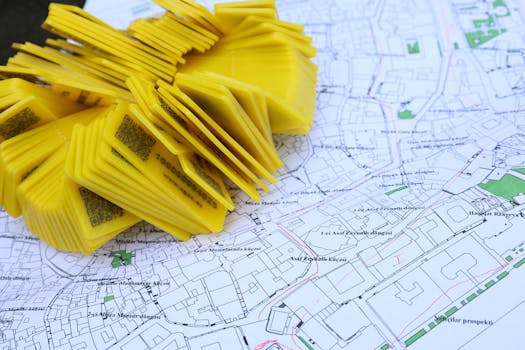
Imagine you have a huge map of the UK, but instead of just showing roads, it also shows where all the schools are, how many trees are in each park, or even how fast the internet is in different areas. A GIS Specialist is like a super map detective! GIS stands for Geographic Information Systems, and it's all about using computer software to create, manage, analyse, and display all sorts of information that is linked to a place on Earth. So, what does that mean for you? A GIS Specialist uses special computer tools to take raw data, like addresses or satellite pictures, and turn it into useful maps and insights. For example, they might help a council decide the best place to build a new playground by mapping out where children live, or they might help an environmental group track changes in forests over time. They could also help a delivery company plan the most efficient routes. It involves a lot of problem-solving, working with computers, and understanding geography.
The average starting salary for a GIS Specialist in the UK can be around 25,000 to 30,000 pounds per year. With more experience, this can rise to 35,000 to 50,000 pounds or more for senior roles.
There are consistently hundreds of GIS related job postings in the UK at any given time, reflecting a steady demand across various sectors.
The global GIS market, which includes the UK, is projected to continue growing significantly in the coming years, meaning more opportunities in this field are likely.
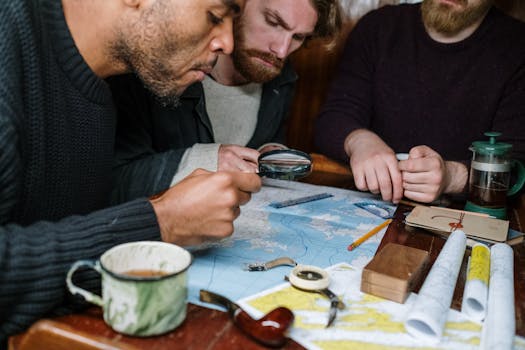
Imagine you're making a super detailed treasure map, but for real places like your town or a big park! A Cartographer uses computers to design and draw all sorts of maps, showing things like roads, rivers, and buildings. It's like being an artist, but with data!
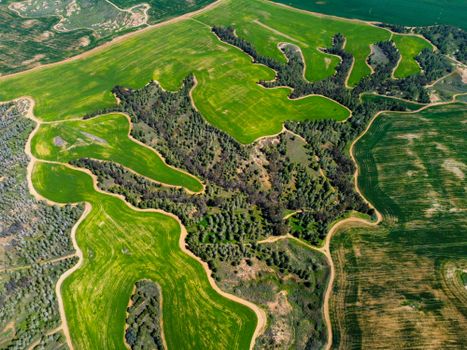
If you love flying drones, this could be for you! A Drone Pilot for Mapping flies special drones high above land to take lots of pictures. These pictures are then stitched together to create amazing 3D maps of areas, which is really useful for planning new buildings or checking out farmland.

Think about how maps on your phone tell you where the nearest shop is. A Location Data Analyst looks at huge amounts of information about where things are and what's happening there. They help businesses decide the best place to open a new shop or help councils plan new bus routes, using location data to make smart decisions.
Focus on subjects like Geography, Maths, and Computing. These are super important for understanding maps and how computers work.
Doing well in Geography will give you a strong understanding of places, landscapes, and environmental issues. Maths will help you with data analysis and measurements, while Computing will introduce you to how software and data are organised. Consider taking these subjects for your GCSEs and A-Levels.
Start using free online mapping tools and explore how maps are made. This can be a fun way to see what GIS is all about.
Websites like Google Maps, OpenStreetMap, or even simple mapping features in games can give you a feel for digital geography. Try to create your own simple maps or analyse information on existing ones. Look for online tutorials on basic mapping concepts.
Look for clubs at school that involve technology, environment, or data. These can be great places to learn and meet like-minded people.
A Computing Club might teach you coding skills, an Eco Club could show you how geographic data is used for environmental projects, or a Duke of Edinburgh's Award group might involve map reading and navigation skills. These activities help develop problem-solving and teamwork skills too.
Many GIS Specialists get a university degree in subjects like Geography, Environmental Science, or Computer Science, often with a focus on GIS.
Look for courses that offer modules specifically in GIS, remote sensing, or spatial analysis. Some universities even have dedicated 'Geographic Information Systems' degrees. You could also choose a broader degree like Computer Science or Data Science and then specialise in GIS with postgraduate study or specific electives.
Some employers offer apprenticeships in surveying, geospatial analysis, or digital mapping, allowing you to learn on the job.
Apprenticeships are a fantastic way to gain real-world experience while getting paid and earning qualifications. Look for 'Geospatial Technician' or 'Surveying' apprenticeships, often at Level 3 (equivalent to A-levels) or Level 4/5 (higher education level). These can lead directly into a career.
Get familiar with common GIS software like ArcGIS or QGIS. Many universities and online platforms offer access or free versions.
ArcGIS is a widely used commercial software, and QGIS is a popular free and open-source alternative. Learning either of these will give you a huge advantage. Many universities provide student licenses, and there are countless free tutorials on YouTube or online learning platforms like Udemy and Coursera.
Look for internships, work placements, or part-time roles where you can apply your GIS skills.
Many companies that use GIS, such as environmental consultancies, local councils, utility companies, and even retail chains, offer internships. This experience is invaluable for building your CV and making connections in the industry. Even volunteering for a local conservation group that uses mapping can count!
Create a collection of your GIS projects to show potential employers what you can do.
This could include maps you've designed, data analyses you've performed, or small coding projects. You can host your portfolio online using platforms like GitHub or a simple website. A strong portfolio demonstrates your skills better than just a CV alone.
Connect with other GIS professionals through online groups, events, or professional organisations.
Join online forums, LinkedIn groups, or attend webinars and conferences related to GIS. Organisations like the Association for Geographic Information (AGI) in the UK often have student memberships or events. Networking can open doors to job opportunities and provide valuable mentorship.
Cartographers are experts in designing and creating maps. While GIS Specialists use maps, cartographers are specifically focused on the art and science of mapmaking itself, making sure maps are clear, accurate, and easy to understand.

Urban Planners help decide how cities and towns should grow and develop. They often use GIS tools to analyse populations, transport, and land use to plan for new buildings, parks, and infrastructure.
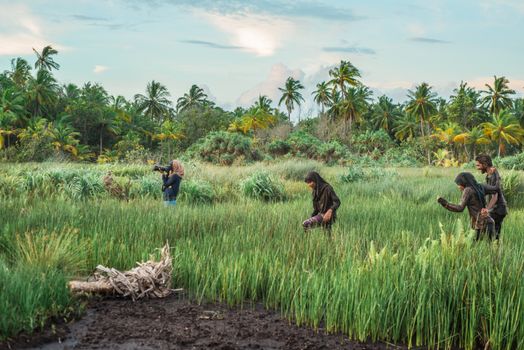
Environmental Scientists study the natural world and how humans impact it. They often use GIS to map pollution, track wildlife, or monitor changes in natural habitats, helping them find solutions to environmental problems.
Explore relevant apprenticeships that can help you kickstart your career in GIS Specialist. Apprenticeships offer hands-on experience and training while earning a wage.
This page showcases various career options and the pathways to reach them. Each career listed here shares transferable skills and knowledge, making it easier for individuals to transition between them.
Your current career is highlighted to help you see how it fits into the broader landscape of potential career choices. By clicking on any career, you can learn more about it, including the training and education required to pursue it.
Remember, progressing in your career often involves further learning and training. This page provides insights into future career options as well as those that can lead up to your current one.
These career progression decisions are informed by comparing the skills and knowledge needed for different occupations, along with data on how people move between them. Explore the possibilities and discover the exciting journey ahead in your career!
Explore other careers or use our AI to discover personalised paths based on your interests.
Address
Developing Experts Limited
Exchange Street Buildings
35-37 Exchange Street
Norwich
NR2 1DP
UK
Phone
01603 273515
Email
[email protected]
Copyright 2026 Developing Experts, All rights reserved.

Unlock expert-designed lessons, resources, and assessments tailored for educators. No credit card required.
Claim Your Free Trial →We use cookies to enhance your browsing experience and analyze our traffic. Learn more.

