
You could do a degree in:
- geography
- surveying and mapping
- geographic information science
- Earth sciences
- computer science
Entry requirements
You'll usually need:
- 3 A levels, or equivalent, including at least 1 science
A GIS Specialist, or Geographic Information System Specialist, is a professional who works with geographical data and mapping technology to create, manage, analyse, and present spatial information. In the UK, this role is crucial across a multitude of industries, helping organisations make informed decisions based on location intelligence. You would typically be responsible for tasks such as digitising maps, collecting and integrating spatial data from various sources, performing complex spatial analysis to identify patterns or trends, and developing custom mapping applications. This might involve anything from mapping utility networks for infrastructure companies, analysing environmental data for conservation efforts, or optimising delivery routes for logistics firms. It's a highly technical role that requires a keen eye for detail, strong analytical skills, and proficiency with specialised GIS software and often database management systems. The day-to-day work can be quite varied, from sitting at a computer performing data manipulation and cartographic design to potentially conducting fieldwork for data collection. You would be expected to understand different data formats, coordinate systems, and projections, ensuring the accuracy and integrity of geographic information. Many roles also involve collaborating with other teams, presenting findings through clear visualisations and reports, and contributing to strategic planning. Given the increasing reliance on data-driven insights, GIS Specialists are becoming indispensable for businesses and public sector organisations looking to understand and leverage their geographical context.
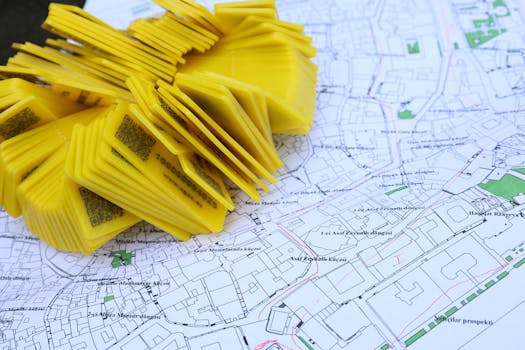
The typical salary for a GIS Specialist in the UK ranges from around 25,000 to 45,000 per year for entry to mid-level positions. Experienced professionals or those in senior roles can earn 50,000 or more.
The demand for GIS professionals in the UK is steadily growing across various sectors, including environmental consultancy, urban planning, utilities, and government. Online job boards frequently list hundreds of GIS-related vacancies.
Over 80% of GIS Specialist roles in the UK require proficiency in industry-standard software such as ArcGIS (ESRI) and QGIS, alongside strong data analysis skills and often some programming knowledge (e.g., Python).
Analyse spatial data and develop GIS solutions for various applications like urban planning, environmental management, or logistics. This role often involves more data analysis and problem solving than just data entry.
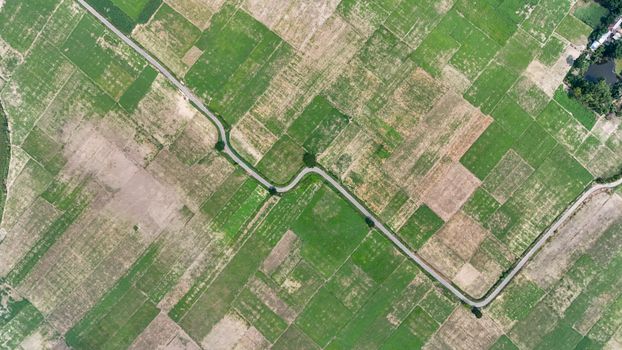
Work with satellite imagery and aerial photography to collect, process, and interpret geographical information. This often involves specialised software and an understanding of different sensor technologies.
Focus on programming and developing custom GIS applications, tools, and web maps. This role requires coding skills (e.g., Python, JavaScript) alongside GIS knowledge to create interactive and powerful spatial solutions.
Pursue a university degree in a field closely related to GIS, such as Geography, Environmental Science, Urban Planning, Computer Science, or Surveying.
A Bachelor's degree is typically the minimum requirement. Look for programmes that offer modules in GIS, remote sensing, cartography, spatial analysis, and programming (Python is highly beneficial). Some universities offer dedicated GIS or Geospatial Science degrees, which can be a direct route. Research course content carefully to ensure a strong technical foundation.
Gain hands-on proficiency with industry-standard GIS software packages.
The primary software to focus on is Esri's ArcGIS Suite (ArcGIS Pro, ArcGIS Online). However, also familiarise yourself with open-source alternatives like QGIS. Many universities provide access and training. Utilise online tutorials, free courses (e.g., from Esri Academy or through MOOCs), and personal projects to build your skills. Understanding how to use these tools effectively is crucial for data manipulation, analysis, and map creation.
Learn basic programming, especially Python, for automating tasks and advanced spatial analysis.
Python is the most common programming language used in GIS for scripting, automating geoprocessing tasks, and developing custom tools. Familiarity with Python libraries like Arcpy (for ArcGIS) and Fiona/Shapely/Geopandas (for general geospatial data handling) will significantly enhance your capabilities and make you a more versatile candidate. SQL knowledge for database management is also highly advantageous.
Seek out internships or work placements to apply your academic knowledge in a real-world professional setting.
Many organisations, from local councils and environmental consultancies to utility companies and charities, offer GIS internships. These placements provide invaluable practical experience, expose you to different industry applications of GIS, and help you build a professional network. Actively search for opportunities during your studies or immediately after graduation.
Create a portfolio showcasing your GIS skills through personal or academic projects.
Your portfolio should demonstrate your ability to collect, process, analyse, and visualise geospatial data. Include a variety of maps, spatial analyses, and perhaps even some scripts you've written. Use real or publicly available datasets to solve practical problems. A strong portfolio on platforms like GitHub or a personal website can be a powerful tool to impress potential employers.
Connect with GIS professionals and participate in industry events.
Attend local meetups, conferences (e.g., AGI GeoCom, Esri UK Conference), and webinars. Join professional bodies like the Association for Geographic Information (AGI). Networking can lead to mentorship opportunities, job leads, and insights into emerging trends. Utilise LinkedIn to connect with professionals and follow companies working in the geospatial sector.
Apply for entry-level GIS roles such as GIS Technician, Junior GIS Analyst, or Mapping Assistant.
Focus your job search on companies and organisations that align with your interests, whether it's environmental consultancy, urban planning, utilities, or government. Highlight your software proficiency, programming skills, and any project work or internship experience. Be prepared to discuss your portfolio during interviews.
Stay updated with new GIS technologies, software, and analysis techniques.
The GIS field is constantly evolving. Commit to lifelong learning by attending workshops, taking advanced online courses, and exploring new software features. Consider specialist certifications in areas like remote sensing, spatial databases, or web mapping (e.g., Esri certifications) to demonstrate expertise and enhance your career prospects. Joining industry forums and reading relevant publications will keep you informed.
Develop expertise in a specific area of GIS or move into project management roles.
As you gain experience, you might specialise in areas such as remote sensing, data science, web GIS development, Lidar data processing, or specific industry applications like smart cities or disaster management. Alternatively, you could transition into leading GIS projects, managing teams, or becoming a senior analyst, focusing more on strategic planning and complex problem-solving. A Masters degree could also facilitate specialisation and career progression.
Designs and produces maps and charts, focusing on visual representation and accuracy, often using GIS tools.
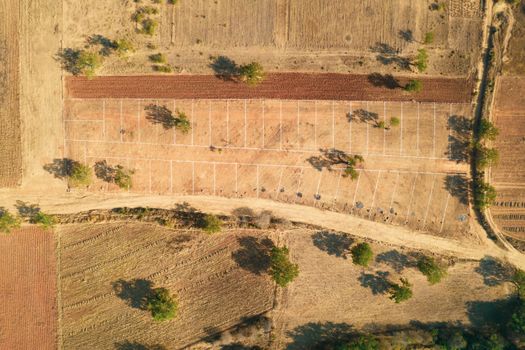
Interprets satellite imagery and aerial photographs to extract geographical information, often feeding into GIS systems.

Uses GIS to analyse land use, population distribution, and infrastructure to plan the development of cities and regions.
Explore relevant apprenticeships that can help you kickstart your career in GIS Specialist. Apprenticeships offer hands-on experience and training while earning a wage.
This page showcases various career options and the pathways to reach them. Each career listed here shares transferable skills and knowledge, making it easier for individuals to transition between them.
Your current career is highlighted to help you see how it fits into the broader landscape of potential career choices. By clicking on any career, you can learn more about it, including the training and education required to pursue it.
Remember, progressing in your career often involves further learning and training. This page provides insights into future career options as well as those that can lead up to your current one.
These career progression decisions are informed by comparing the skills and knowledge needed for different occupations, along with data on how people move between them. Explore the possibilities and discover the exciting journey ahead in your career!
A GIS Specialist primarily works with geographic information systems and data, which directly aligns with the duties of a Geospatial Technician, focusing on spatial data creation, analysis, and management.
You can get into this job through:
You could do a degree in:
You'll usually need:
You can take a college course to learn some of the skills needed for the job. This may help you when applying for a trainee position.
Relevant courses include:
Entry requirements for these courses vary.
4 or 5 GCSEs at grades 9 to 4 (A* to C), or equivalent, including English and maths for a T Level
You can apply for a place on a Geospatial Survey Technician Level 3 Advanced Apprenticeship, or a Geospatial Mapping and Science Specialist Level 6 Degree Apprenticeship.
To get onto an apprenticeship, you'll find it useful to have:
You can apply to join a graduate training scheme with a geospatial data company, if you have a related degree.
You can also work towards this role through the armed forces. The Royal Air Force and the British army offer training to become an air cartographer and geographic technician.
Geospatial technicians use specialist GIS software. You could build up your skills and knowledge of this through free online learning resources.
You could join the Association for Geographic Information for professional development and training opportunities.
You can find out more about careers and training in geographical information systems from:
Explore other careers or use our AI to discover personalised paths based on your interests.
Address
Developing Experts Limited
Exchange Street Buildings
35-37 Exchange Street
Norwich
NR2 1DP
UK
Phone
01603 273515
Email
[email protected]
Copyright 2026 Developing Experts, All rights reserved.

Unlock expert-designed lessons, resources, and assessments tailored for educators. No credit card required.
Claim Your Free Trial →We use cookies to enhance your browsing experience and analyze our traffic. Learn more.
