Imagine you have a superpower that lets you see hidden patterns and stories on maps! That is a bit like what a GIS Specialist does. GIS stands for Geographic Information System. These clever people use special computer tools to create, manage, and understand maps and location data. They might help plan where new parks should go, track how animals move around, or figure out the best place to put a new bus stop. They collect lots of information about places, like where buildings are, how high mountains are, or where rivers flow, and then put it all together on a digital map. It is like being a detective for places, using maps to solve puzzles and help people make important decisions. They make sure the maps are correct and easy for everyone to understand.
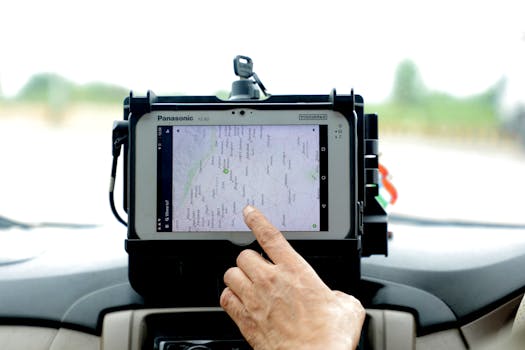
A new GIS Specialist in the UK might expect to earn around 25,000 to 30,000 pounds a year.
With more experience, a GIS Specialist can earn between 35,000 and 50,000 pounds or even more each year.
There are many GIS jobs in the UK across different areas like local councils, environmental groups, and technology companies. It is a growing area!
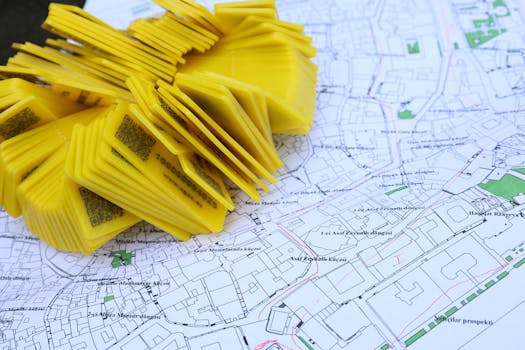
Imagine drawing maps of your local park, school or even your street for the people who look after your town or city. You'd use special computer tools to show where everything is, like trees, bus stops, and playgrounds, to help them plan.
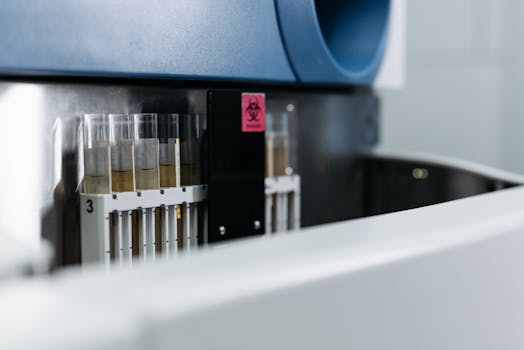
You could be like a detective who uses maps to help the planet! You'd look at maps to see where animals live, where plants are growing, or if a river is clean. This helps people protect nature and our environment.
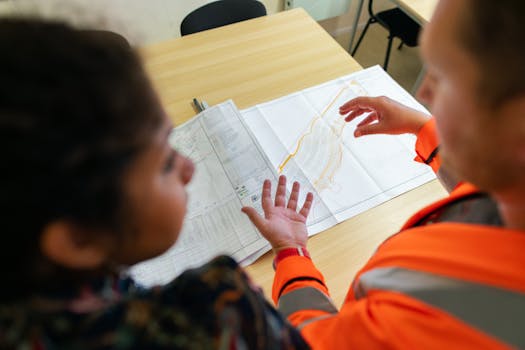
A town planner decides where new houses, shops, and parks should go. You could help them by making maps that show where old buildings are, where there's empty space, or even where it might be noisy. This helps them build brilliant new places for everyone.
Start by looking at maps and learning about different places. Think about what you see on maps and why things are located where they are.
You can find maps in books, on the internet, or even on your phone! Look at maps of your town, your country, and even the whole world. Try to find your house, your school, or your favourite park. Notice how different things are shown, like roads, rivers, and buildings. Think about how these maps help you understand where things are.
Many websites and apps have digital maps you can explore. Try using them to find directions or learn about landmarks.
Websites like Google Maps or OpenStreetMap let you zoom in and out, look at different areas, and even see pictures of places. You can search for places you know and see how they look from above. Some games also use maps, which can be a fun way to understand how they work and how information is stored on them.
Geography is the study of the Earth's land, features, inhabitants, and phenomena. Learning about it helps you understand why maps are important.
In school, you'll learn about different countries, capitals, mountains, and rivers. This is all part of geography! Understanding where places are and what they're like is really important for a GIS Specialist. You'll learn about how maps help us understand things like weather patterns, where animals live, or how cities grow.
Focus on subjects like Maths, Geography, and Computing. These are super helpful for understanding GIS.
Maths helps you understand measurements and distances on maps. Geography teaches you about places and why they matter. Computing helps you learn how to use computers and special software, which is what GIS specialists use every day. Try your best in these subjects, as they are the building blocks for a future in GIS.
Get comfortable using computers, learning how they work, and how to use different programs.
A GIS specialist spends a lot of time on computers. You'll need to know how to save files, open programs, and find information online. You don't need to be a coding expert, but being comfortable with technology will be a big advantage. Try learning simple computer skills, like typing well or using presentation software.
If your school has a geography or STEM club, joining it can be a fun way to learn more and meet others who like maps too.
Clubs often do fun projects, like drawing maps of your school or even going on trips to explore local areas. This is a great way to put your geography knowledge to use and learn more about your surroundings. You might even get to use some simple mapping tools or apps during club activities.
After school, you'll need to study subjects like Geography, Environmental Science, or Computer Science at college or university.
Many universities offer degrees specifically in 'Geographic Information Systems' or 'Geospatial Science'. These courses will teach you all about how to use the special software, collect map data, and analyse it to solve real-world problems. You'll learn advanced mapping techniques and how to work with big sets of data.
You'll learn how to use special computer programs, like ArcGIS or QGIS, which are used to create and analyse maps.
These programs are like super-advanced paint and puzzle tools for maps. They let you layer different types of information on top of each other, like showing where all the schools are and where all the bus stops are on the same map. You'll learn how to input data, make maps look clear and helpful, and find patterns in the information.
Doing internships or getting entry-level jobs helps you practice your skills and learn from experienced GIS specialists.
Many companies that use GIS, like environmental consultancies, local councils, or utility companies, offer internships. This means you can work with them for a short time to see what the job is really like and put what you've learned into practice. It's a great way to gain valuable experience and make connections in the GIS world.
A Cartographer is a person who designs and draws maps. They are like artists who paint with geography!
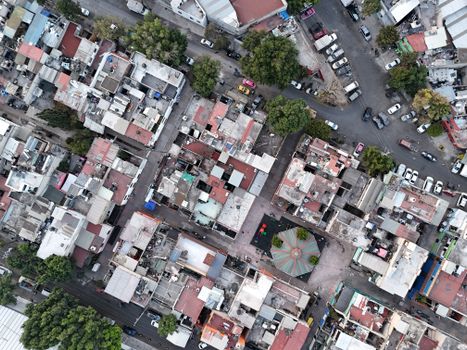
A Town Planner helps decide how our towns and cities grow. They think about where to put houses, shops, and roads, often using maps.
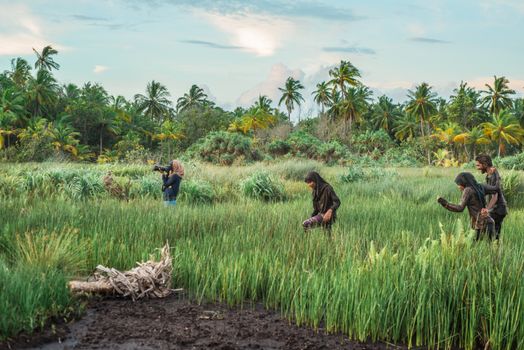
An Environmental Scientist studies the Earth and helps protect our planet. They might use maps to understand pollution or track wildlife.
Explore relevant apprenticeships that can help you kickstart your career in GIS Specialist. Apprenticeships offer hands-on experience and training while earning a wage.
This page showcases various career options and the pathways to reach them. Each career listed here shares transferable skills and knowledge, making it easier for individuals to transition between them.
Your current career is highlighted to help you see how it fits into the broader landscape of potential career choices. By clicking on any career, you can learn more about it, including the training and education required to pursue it.
Remember, progressing in your career often involves further learning and training. This page provides insights into future career options as well as those that can lead up to your current one.
These career progression decisions are informed by comparing the skills and knowledge needed for different occupations, along with data on how people move between them. Explore the possibilities and discover the exciting journey ahead in your career!
Explore other careers or use our AI to discover personalised paths based on your interests.
Address
Developing Experts Limited
Exchange Street Buildings
35-37 Exchange Street
Norwich
NR2 1DP
UK
Phone
01603 273515
Email
[email protected]
Copyright 2026 Developing Experts, All rights reserved.

Unlock expert-designed lessons, resources, and assessments tailored for educators. No credit card required.
Claim Your Free Trial →We use cookies to enhance your browsing experience and analyze our traffic. Learn more.

