Creating Career Path...

Finding Further Careers...

Blacksmith

View this career for different education levels:

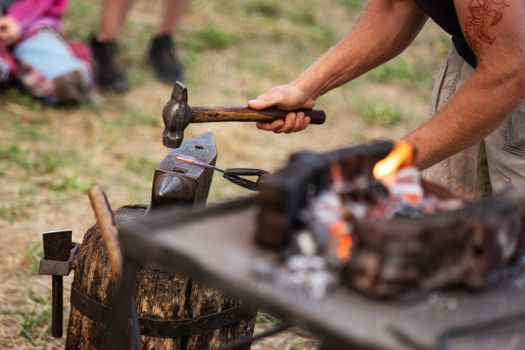
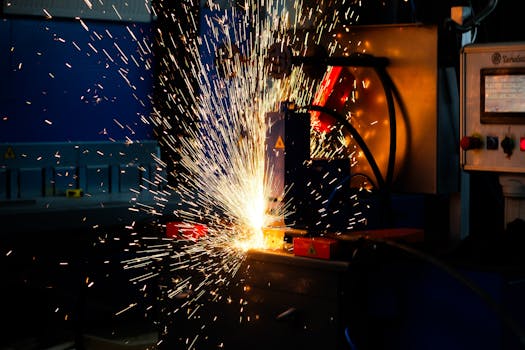
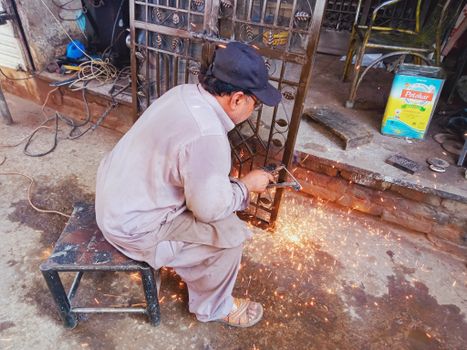
Imagine someone who can magically turn hard, cold metal into beautiful or useful things, just by heating it up and hammering it! That is what a blacksmith does. They use a very hot oven called a forge to make metal super hot, glowing red or orange. Then, they use big hammers and other tools to shape the metal while it is soft. They might make gates for houses, railings for stairs, fancy decorations, or even tools. It is a really old job that has been around for thousands of years, but it is still super important today for making unique and strong metal items. A blacksmith needs to be strong and careful because they work with very hot metal and heavy tools. They also need to be very artistic and good at planning, thinking about what they want to make before they start hammering. They learn how different metals behave when they are hot and how to make them into the right shapes. Sometimes they fix old metal things too, bringing them back to life. It is a job where you use your hands and your brain to create amazing things out of metal.

Blacksmith

Flag Media

Please select a reason for flagging this content.

📊 Statistics

Average Starting Salary

For a new blacksmith learning the ropes, the starting salary might be around 18,000 to 22,000 pounds a year. This can grow as they get better and more experienced.

Experienced Blacksmith Salary

An experienced blacksmith who is very good at their job could earn between 25,000 and 35,000 pounds a year, especially if they make special things or run their own workshop.

Number of Blacksmiths in the UK

While there are no exact numbers, it is a smaller, specialist career. There are likely a few thousand blacksmiths across the UK, many working for themselves or in small teams, keeping this ancient craft alive.

🚀 Careers in this path

Flag Media

Please select a reason for flagging this content.

Farrier

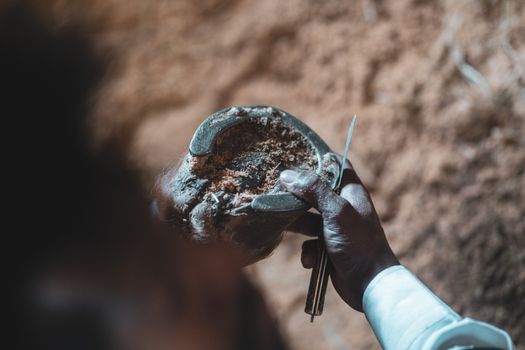
A farrier is like a special blacksmith who looks after horses' hooves. They make and fit horseshoes to keep ponies and horses' feet healthy and strong, just like you might wear shoes to protect your feet!

Flag Media

Please select a reason for flagging this content.

Metal Sculptor

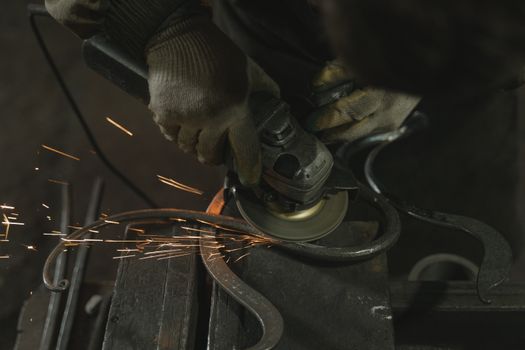
A metal sculptor uses metal, just like a blacksmith, but instead of making useful things, they make amazing art! They might create big shiny animals or cool abstract shapes from metal.

Flag Media

Please select a reason for flagging this content.

Jewellery Maker

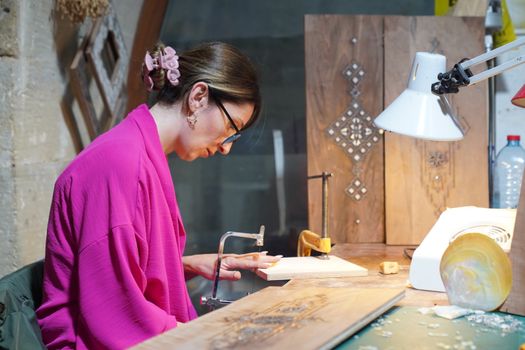
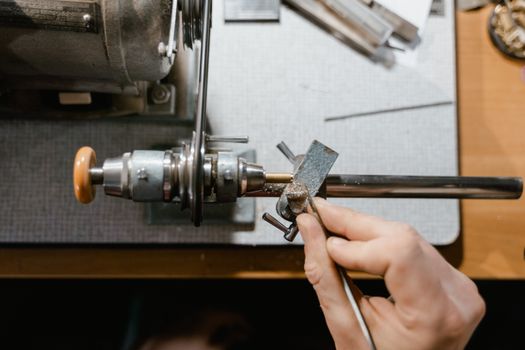
A jewellery maker is a bit like a tiny blacksmith! They use small tools and often precious metals like silver or gold to create beautiful rings, necklaces, and bracelets. They might even set sparkling stones in their creations.

Learning about Metal and Fire

Watch and Learn

The first step is to watch blacksmiths at work! You can find videos online or maybe even visit a local historical place or craft fair where blacksmiths demonstrate their skills.

Watching experienced blacksmiths is a fantastic way to understand what they do. Pay attention to how they heat the metal, how they hold their tools, and how they hit the metal with a hammer. Notice the different sounds the metal makes and how it changes shape. You might even be able to ask them questions about their job!

Playing with Clay or Plasticine

To understand how to shape things, you can practice by making things with clay or plasticine. Pretend it's hot metal and try to make different shapes.

Using soft materials like clay or plasticine helps you practice the idea of shaping things with your hands. Imagine you're using a tiny hammer and anvil. Try making coils, points, or flattening parts. This helps you think about how pressure and force can change an object's form, just like a blacksmith does with metal.

Visit a Museum or Workshop

Ask a grown-up if you can visit a museum that shows old tools, or a craft fair where blacksmiths might be working. This helps you see real examples.

Many museums, especially historical ones, have displays of old blacksmith tools and the things they used to make. This can give you a real sense of history and how important blacksmiths were a long time ago. At craft fairs, you might even see modern blacksmiths making things, which is exciting because you can see the magic happen right in front of you.

Getting Ready to Make

Learning Safety First

When you're a bit older and thinking about trying blacksmithing, the most important thing is to learn about safety, especially around fire and hot metal.

Blacksmithing involves very hot furnaces and heavy tools, so safety is super important. You'll need to learn about wearing strong gloves, safety glasses to protect your eyes, and special clothes. It's also important to understand how to handle tools safely so you don't hurt yourself or others. Always have a grown-up who knows about blacksmithing supervise you.

Starting with Simple Tools

You can start learning with simple tools and cold metal first. For example, using a small hammer to gently tap on soft metal or wire.

Before you work with hot metal, you can practice using a hammer and shaping small pieces of cold, soft metal, like copper wire. This helps you get used to holding a hammer correctly and making controlled taps. You can try bending the wire into different shapes with pliers, which builds your hand strength and precision before moving on to harder tasks.

Drawing Your Ideas

Blacksmiths often draw what they want to make before they start. You can practice drawing cool metal objects you'd like to create.

Drawing your ideas helps you plan out your creations. You can sketch different designs for a hook, a gate pattern, or an animal made of metal. This helps you think about the shapes, curves, and details you want to achieve. It's like having a map for your metal project and helps you imagine the steps you'll need to take.

Becoming a Blacksmith Helper

Finding a Blacksmith Friend

When you're older, you could look for a real blacksmith who might let you visit their workshop and help with small, safe tasks.

Many blacksmiths are happy to share their knowledge, especially with young, interested people. You might start by cleaning tools, organising the workshop, or watching them work up close. Always ask a grown-up to help you find a reputable blacksmith and make sure it's a safe place to learn. This is a great way to see what the job is really like every day.

Learning to Swing a Hammer

An important part of blacksmithing is learning how to swing a hammer properly to hit the metal. It takes practice to hit the right spot!

Learning to swing a hammer isn't just about strength; it's about control and rhythm. You'll practice hitting the anvil with the hammer, making sure your strikes are even and accurate. This helps you develop the muscle memory and coordination needed to shape hot metal effectively. It's a skill that improves with lots and lots of practice.

Understanding Different Metals

Blacksmiths work mostly with iron, but there are other metals too. You'll learn how different metals act when they get hot.

As you learn more, you'll discover that different metals behave differently when heated and hammered. Iron is common, but steel is also used, and it's much harder. Learning about the properties of these metals helps you choose the right metal for a project and understand how to work with it safely and effectively. This knowledge is key to making strong and beautiful metal objects.

🎬 Useful Videos

🎯 View Apprenticeships

Explore relevant apprenticeships that can help you kickstart your career in Blacksmith. Apprenticeships offer hands-on experience and training while earning a wage.

Career Progressions

No career progressions found for Blacksmith

Sample Qualifications

How to become

You can get into this job through:

  • a university course
  • a college course
  • an apprenticeship
  • working towards this role
  • specialist courses run by private training organisations

University

You can do a foundation degree or degree course that covers metalworking, such as:

  • artist blacksmithing
  • craft practices
  • design and craft
  • art and design

You'll usually need a portfolio of your work and creative ideas to show at university interviews.

Entry requirements

You'll usually need:

  • a foundation diploma in art and design
  • 2 to 3 A levels, or equivalent, for a degree

More Information

College

You could do a college course to learn some of the skills needed in this job. This could help when looking for a trainee position with a blacksmith.

Courses include:

  • blacksmithing and metalworking
  • fabrication and welding
  • art and design
  • T Level in Engineering, Manufacturing, Processing and Control

Entry requirements

Entry requirements for these courses vary.

  • 4 or 5 GCSEs at grades 9 to 4 (A* to C), or equivalent, including English and maths for a T Level

More Information

Apprenticeship

You may be able to apply for an apprenticeship, for example:

  • Welder Level 2 Intermediate Apprenticeship
  • Blacksmith Level 3 Advanced Apprenticeship
  • Plate or Pipe Welder Level 3 Advanced Apprenticeship

Entry requirements

You'll usually need:

  • some GCSEs, usually including English and maths, or equivalent, for an intermediate apprenticeship
  • 5 GCSEs at grades 9 to 4 (A* to C), or equivalent, including English and maths, for an advanced apprenticeship

More Information

Work

You could work as an assistant to an experienced blacksmith and learn the craft on the job. You might find it useful if you have experience in metalwork and technical drawing.

You may be able to use industrial welding experience to find a trainee blacksmith job with a specialist metalwork company.

Other Routes

You could do a short introductory course in blacksmithing. This will help you decide if it's a career that would suit you. The British Artist Blacksmiths Association has details of training organisations.

More Information

Career tips

You need to show examples of your work and decorative ideas to get onto courses, and when contacting blacksmiths about trainee positions.

Professional and industry bodies

You could join the British Artist Blacksmiths Association or The Worshipful Company of Blacksmiths for professional development and to make industry contacts.

Further information

You can get more details about working as an artist blacksmith from the British Artist Blacksmiths Association and the Crafts Council.

Interested in More Career Paths?

Explore other careers or use our AI to discover personalised paths based on your interests.

Stay connected

Join our newsletter to stay up to date on features and releases

Address
Developing Experts Limited
Exchange Street Buildings
35-37 Exchange Street
Norwich
NR2 1DP
UK

Phone
01603 273515

Email
[email protected]

Copyright 2026 Developing Experts, All rights reserved.
