Creating Career Path...

Finding Further Careers...

Blacksmith

View this career for different education levels:

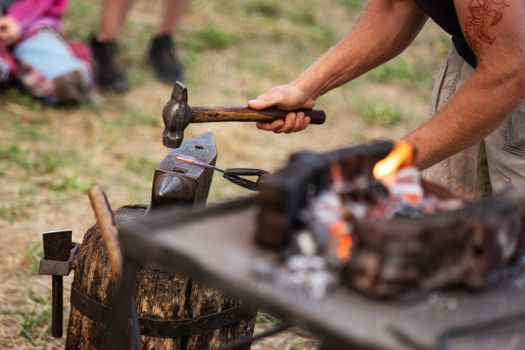
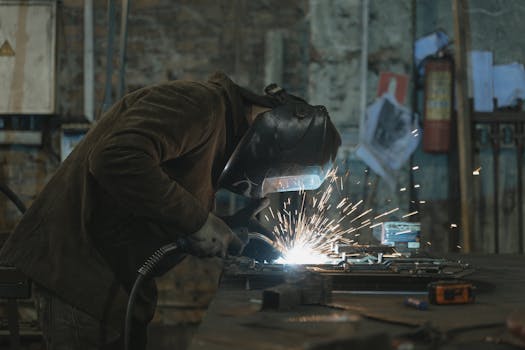
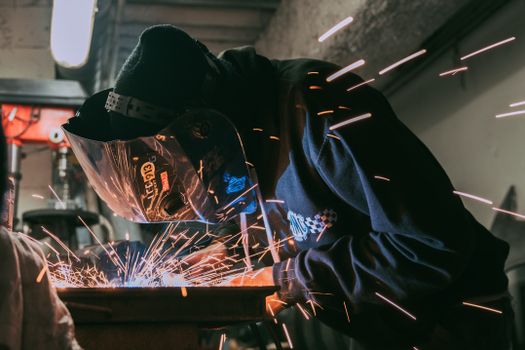
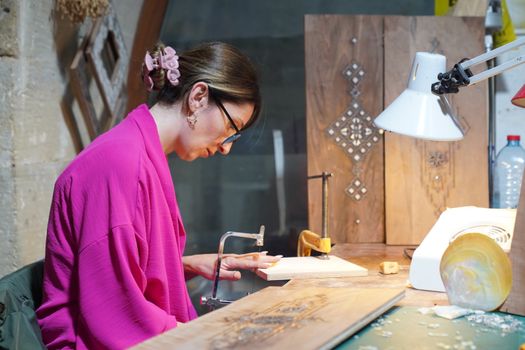
A blacksmith is a skilled artisan who crafts objects from wrought iron or steel by forging the metal, using tools to hammer, bend, and cut it when it is hot. This ancient craft combines physical strength with artistic vision and precision. In the UK today, blacksmiths often work on a diverse range of projects. This can include restoring historical gates, railings, and grilles for heritage properties, creating bespoke architectural ironwork like balustrades and contemporary sculptures, or producing practical items such as tools and decorative pieces. The work typically involves operating a forge to heat metal, using an anvil for shaping, and employing various hand tools and power tools. It requires a deep understanding of metallurgy, a keen eye for design, and considerable patience and skill to transform raw materials into finished pieces. Modern blacksmiths also need strong business acumen if they are self-employed, managing client relationships, quoting for projects, and marketing their services. Health and safety are paramount in a workshop environment due to the inherent risks of working with extreme heat, heavy materials, and powerful tools. Training often involves apprenticeships or college courses in forge work, allowing individuals to learn traditional techniques while also exploring contemporary applications of the craft. It's a physically demanding but incredibly rewarding career for those who enjoy working with their hands and seeing their artistic visions come to life.

Blacksmith

Flag Media

Please select a reason for flagging this content.

📊 Statistics

Average Salary Range

Starting salaries for blacksmiths in the UK can be around 18,000 to 22,000 pounds annually for apprentices or those new to the trade. Experienced and skilled blacksmiths, particularly those working on bespoke commissions or running their own businesses, can earn anywhere from 25,000 to 40,000 pounds per year, with highly sought-after specialists potentially earning more.

Number of UK Businesses

While precise figures for individual blacksmiths are hard to track, the British Artist Blacksmiths Association (BABA) has hundreds of members across the UK, indicating a healthy, albeit niche, community. Many operate as sole traders or in small workshops, often focusing on specialised historical restoration, architectural ironwork, or artistic pieces.

Demand for Skilled Craftspeople

There is a consistent demand for skilled blacksmiths, especially those with expertise in traditional techniques for restoration projects (e.g., heritage buildings, gates) and custom architectural ironwork. Artistic blacksmiths creating bespoke items also find steady work from clients looking for unique, handcrafted pieces.

🚀 Careers in this path

Flag Media

Please select a reason for flagging this content.

Architectural Metalworker

Specialises in creating and installing bespoke metalwork for buildings, such as gates, railings, balconies, and decorative features. This often involves traditional blacksmithing techniques combined with modern fabrication and design skills, perfect for someone with an eye for detail and design.

Flag Media

Please select a reason for flagging this content.

Historical Ironwork Conservator

Focuses on the repair, restoration, and preservation of antique and historical ironwork pieces found in museums, heritage sites, and private collections. This role requires a deep understanding of traditional blacksmithing methods, metallurgy, and conservation ethics, ideal for someone passionate about history and craftsmanship.

Flag Media

Please select a reason for flagging this content.

Artisan Toolmaker

Designs and crafts high-quality, often bespoke, tools for other craftspeople or specific industries using blacksmithing and metalworking techniques. This could range from hand tools for woodworking or jewellery making to specialised implements. It's a niche that combines precision, problem-solving, and practical skill.

Build Foundational Skills & Knowledge

Research and Self-Study

Begin by thoroughly researching the craft of blacksmithing. Understand its history, various techniques, safety protocols, and the different types of metalwork involved.

Dive into online resources, books, and documentaries about traditional and modern blacksmithing. Learn about different types of forges (coal, gas, induction), hammers, tongs, and anvils. Familiarise yourself with basic metallurgy – how different metals react to heat and shaping. Pay particular attention to safety aspects, as working with high temperatures and heavy tools carries inherent risks. Websites like the British Artist Blacksmiths Association (BABA) are excellent starting points for information and community resources.

Basic Workshop Experience

Seek opportunities for introductory workshops or short courses to get hands-on experience with basic forging techniques and tools.

Many craft centres, colleges, and independent blacksmiths offer weekend workshops or introductory courses. These typically cover fundamental skills such as heating metal, basic hammering techniques (drawing out, upsetting, bending, twisting), and tool safety. It's crucial to experience the physical demands and learn proper body mechanics from experienced instructors. This initial practical exposure will help you determine if blacksmithing is truly the path for you.

Develop Foundational Drawing & Design

Cultivate your artistic and design skills by practising sketching and understanding basic principles of metal design.

While blacksmithing is a physical craft, a strong aesthetic sense is vital. Practise drawing and sketching designs for gates, railings, sculptures, or smaller decorative items. Understand proportion, balance, and how different forms work together. Explore different artistic styles and how they can be translated into metal. This will enable you to visualise your creations before you even touch the metal, saving time and material in the long run. Courses in art or design can be beneficial here.

Formal Training & Apprenticeship

Pursue Formal Education

Enrol in a recognised blacksmithing or artist blacksmithing course at a college or specialised craft school.

Look for courses such as a Level 2 or 3 Diploma in Blacksmithing or an HNC/HND in Artist Blacksmithing at institutions like Hereford College of Arts, which are renowned for their metalwork programmes. These programmes provide comprehensive training in traditional and contemporary forging techniques, design principles, metallurgy, business skills, and health and safety. They also often provide access to well-equipped workshops and experienced tutors, building a strong theoretical and practical foundation.

Seek an Apprenticeship

Secure an apprenticeship with an experienced blacksmith or a reputable forge to gain in-depth practical experience and industry insight.

Apprenticeships are invaluable in blacksmithing. They offer hands-on training under the guidance of a master craftsperson, allowing you to learn real-world techniques, problem-solving, and the nuances of the trade that cannot be taught in a classroom. Search for opportunities through industry associations like BABA, direct contact with local smiths, or online apprenticeship portals. Be prepared for hard work and dedication, as apprenticeships often last several years and require significant commitment.

Network and Build Connections

Actively engage with the blacksmithing community through events, exhibitions, and online forums.

Attending blacksmithing fairs, demonstrations, and exhibitions is crucial for networking. It allows you to meet other smiths, learn about different specialisations, and potentially discover job or collaboration opportunities. Join online communities and professional organisations like BABA to stay updated on industry news, share ideas, and showcase your work. Building relationships can open doors to mentorship, commissions, and future career prospects.

Professional Development & Specialisation

Specialise in a Niche

Identify and develop expertise in a specific area of blacksmithing, such as architectural ironwork, sculptural pieces, tool making, or restoration.

The field of blacksmithing is broad, and specialising can help you carve out a unique professional identity. For example, you might focus on historical restoration work, creating bespoke gates and railings for period properties, or perhaps design modern abstract sculptures. Research market demand, assess your personal interests and strengths, and dedicate time to refining the skills required for your chosen niche. This specialisation can make you a sought-after expert.

Build a Portfolio & Online Presence

Create a high-quality portfolio showcasing your best work and establish a professional online presence to attract clients.

A strong portfolio, both physical and digital, is essential. Include clear, well-lit photographs of your finished pieces, alongside sketches and descriptions of the design process. Develop a professional website or use platforms like Instagram and Facebook to display your work, share behind-the-scenes glimpses, and engage with potential clients. Your online presence should reflect your unique style and professionalism, making it easy for people to discover and commission your work.

Start Your Own Business or Freelance

Consider setting up your own forge, either independently or as part of a collective, or pursuing freelance commissions.

Many blacksmiths eventually become self-employed. This involves developing business skills such as marketing, pricing, project management, and client communication. You might start by renting bench space in a shared workshop or gradually investing in your own tools and forge. Alternatively, you could work as a freelance blacksmith, taking on commissioned pieces for individuals or businesses. Research legal requirements, insurance, and develop a robust business plan to ensure your venture's success. Continuous learning and adaptation are key to thriving as an independent artisan.

🎯 View Apprenticeships

Explore relevant apprenticeships that can help you kickstart your career in Blacksmith. Apprenticeships offer hands-on experience and training while earning a wage.

Career Progressions

No career progressions found for Blacksmith

Sample Qualifications

How to become

You can get into this job through:

  • a university course
  • a college course
  • an apprenticeship
  • working towards this role
  • specialist courses run by private training organisations

University

You can do a foundation degree or degree course that covers metalworking, such as:

  • artist blacksmithing
  • craft practices
  • design and craft
  • art and design

You'll usually need a portfolio of your work and creative ideas to show at university interviews.

Entry requirements

You'll usually need:

  • a foundation diploma in art and design
  • 2 to 3 A levels, or equivalent, for a degree

More Information

College

You could do a college course to learn some of the skills needed in this job. This could help when looking for a trainee position with a blacksmith.

Courses include:

  • blacksmithing and metalworking
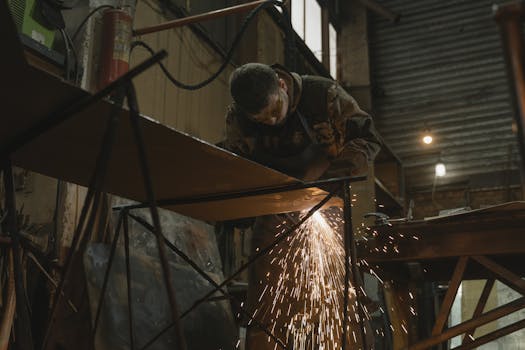
  • fabrication and welding
  • art and design
  • T Level in Engineering, Manufacturing, Processing and Control

Entry requirements

Entry requirements for these courses vary.

  • 4 or 5 GCSEs at grades 9 to 4 (A* to C), or equivalent, including English and maths for a T Level

More Information

Apprenticeship

You may be able to apply for an apprenticeship, for example:

  • Welder Level 2 Intermediate Apprenticeship
  • Blacksmith Level 3 Advanced Apprenticeship
  • Plate or Pipe Welder Level 3 Advanced Apprenticeship

Entry requirements

You'll usually need:

  • some GCSEs, usually including English and maths, or equivalent, for an intermediate apprenticeship
  • 5 GCSEs at grades 9 to 4 (A* to C), or equivalent, including English and maths, for an advanced apprenticeship

More Information

Work

You could work as an assistant to an experienced blacksmith and learn the craft on the job. You might find it useful if you have experience in metalwork and technical drawing.

You may be able to use industrial welding experience to find a trainee blacksmith job with a specialist metalwork company.

Other Routes

You could do a short introductory course in blacksmithing. This will help you decide if it's a career that would suit you. The British Artist Blacksmiths Association has details of training organisations.

More Information

Career tips

You need to show examples of your work and decorative ideas to get onto courses, and when contacting blacksmiths about trainee positions.

Professional and industry bodies

You could join the British Artist Blacksmiths Association or The Worshipful Company of Blacksmiths for professional development and to make industry contacts.

Further information

You can get more details about working as an artist blacksmith from the British Artist Blacksmiths Association and the Crafts Council.

Interested in More Career Paths?

Explore other careers or use our AI to discover personalised paths based on your interests.

Stay connected

Join our newsletter to stay up to date on features and releases

Address
Developing Experts Limited
Exchange Street Buildings
35-37 Exchange Street
Norwich
NR2 1DP
UK

Phone
01603 273515

Email
[email protected]

Copyright 2026 Developing Experts, All rights reserved.
