
Creating Career Path...

Finding Further Careers...

Blacksmith

View this career for different education levels:

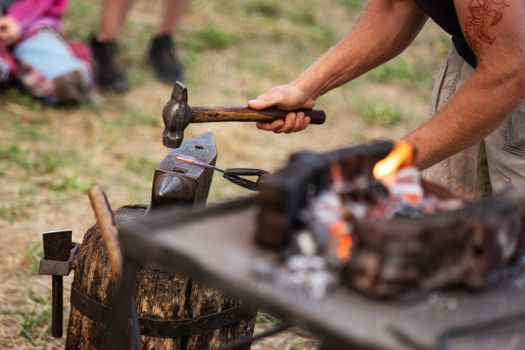
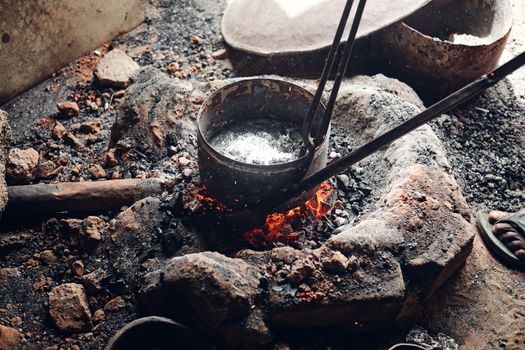
Being a blacksmith is an ancient and honourable craft where you get to work with metal, usually iron or steel, and shape it using heat, hammers, and other tools. Think of it like a metal sculptor! You heat the metal in a very hot furnace, called a forge, until it's glowing red or orange, then you hammer it on an anvil to bend, twist, stretch, or cut it into the shape you want. Blacksmiths make all sorts of things, from beautiful decorative gates and railings for homes, to artistic sculptures, and even practical tools or repairs for older items. It's a job that requires strength, patience, creativity, and a good understanding of how metal behaves when it's hot. It is a very hands-on job where you are constantly learning and perfecting your skills. You might work on custom projects for clients, repairing old ironwork on historic buildings, or creating unique pieces of art. Safety is super important, as you are working with extremely hot metal and powerful tools. Many blacksmiths learn through apprenticeships, working alongside an experienced master, or by attending specialist craft courses. It's a career where you can really see the results of your hard work and creativity come to life.

Blacksmith

Flag Media

Please select a reason for flagging this content.

📊 Statistics

Average Starting Salary

A newly qualified blacksmith in the UK might expect to earn around 18,000 to 22,000 pounds per year, especially when starting out in a workshop or as an apprentice.

Experienced Blacksmith Salary

With several years of experience and a strong portfolio of work, a skilled blacksmith in the UK could earn between 25,000 and 35,000 pounds annually. Those running their own successful businesses or specialising in very intricate work might earn more.

Number of UK Businesses

While exact figures for individual blacksmiths are hard to pinpoint, there are estimated to be several hundred active blacksmithing and metal craft businesses across the UK, ranging from small individual workshops to larger companies, often serving niche markets.

🚀 Careers in this path

Flag Media

Please select a reason for flagging this content.

Metalwork Artist

Imagine making amazing sculptures or beautiful gates from metal! You'd learn to shape and join different metals, creating your own unique designs and bringing them to life.

Flag Media

Please select a reason for flagging this content.

Jewellery Maker

If you love creating small, intricate things, this could be perfect! You'd use special tools to shape precious metals like silver or gold into rings, necklaces, and other beautiful jewellery pieces.

Flag Media

Please select a reason for flagging this content.

Wrought Iron Designer

This is a bit like being a blacksmith, but focused on making decorative and strong metal items for homes and gardens. Think about creating fancy railings, sturdy furniture, or unique garden features out of iron.

Discovering the Craft

Research and Learn

Start by finding out as much as you can about blacksmithing. Look at videos, read books, and learn about the history of this amazing craft.

Dive into the world of blacksmithing online! YouTube has tons of videos showing blacksmiths at work, from traditional methods to modern art pieces. Look for documentaries or articles about famous historical blacksmiths and how their skills shaped the world. This will give you a good idea of what the job involves and inspire you.

Visit Local Craft Fairs or Workshops

Look for opportunities to see real blacksmiths in action. Many craft fairs or heritage sites have demonstrations where you can watch them work.

Many towns and cities across the UK have craft events or historical centres that feature live blacksmithing demonstrations. Check local listings, heritage sites, or even some larger agricultural shows. Seeing and hearing the clang of the hammer on metal, and feeling the heat from the forge, can be a really exciting experience and help you decide if it's something you'd love to do.

Try Beginner-Friendly Metalwork

While you might not have a forge, try simpler metal crafts like wire bending or making small items with cold metal to get a feel for shaping.

You can start developing your hand skills even without a full blacksmithing setup. Projects like making simple wire sculptures, keyring designs from soft metal sheets (like aluminium or copper that can be cut and filed), or even learning basic jewellery making techniques can help you understand how metal reacts to force and shaping. This builds a good foundation for more advanced techniques later on.

Gaining Skills and Training

Take a Beginner's Course

Once you're a bit older, find a local blacksmithing workshop or college that offers short introductory courses. This is where you'll learn the basics safely.

Many independent blacksmiths or craft centres offer weekend or week-long beginner courses. These are fantastic for learning the fundamental techniques like hammering, twisting, bending, and punching holes, all under the watchful eye of an experienced professional. You'll learn about safety around the forge, how to handle tools, and likely make a small item like a hook or a fire poker to take home.

Consider an Apprenticeship

An apprenticeship is a brilliant way to learn on the job from an experienced blacksmith, earning a wage while you train.

Apprenticeships are a traditional and very effective route into skilled trades like blacksmithing. You'd typically work alongside a master blacksmith, learning practical skills every day, and often attend college one day a week for more theoretical knowledge. Keep an eye out for apprenticeship vacancies with artistic blacksmiths, restoration companies, or even engineering firms that do specialist metalwork when you finish school.

Study Relevant Subjects at School

Focus on subjects like Design and Technology (DT) or Art and Design, as these will help develop your practical and creative skills.

While there isn't a direct 'blacksmithing' subject at school, DT courses, especially those focusing on resistant materials, will teach you about different metals, how they behave, and safe workshop practices. Art and Design subjects will hone your creativity, drawing skills, and ability to visualise three-dimensional objects, all crucial for designing and crafting unique metal pieces. Maths and physics can also be helpful for understanding properties of materials and forces.

Becoming a Professional

Build a Portfolio of Work

As you create items, take good photos of them. This 'portfolio' will show off your skills to potential clients or employers.

Every piece you make, no matter how small, is a testament to your growing skill. Document your work carefully – good quality photos are essential. As you progress, you might create a simple website or social media page to display your portfolio. This is how you'll show people what you can do, whether you're looking for commissions or applying for jobs.

Network with Other Blacksmiths

Connect with other blacksmiths, join craft guilds, and attend blacksmithing events. This can lead to new opportunities and learning.

Joining organisations like the British Artist Blacksmiths Association (BABA) can be incredibly valuable. You'll meet experienced professionals, learn about workshops, competitions, and perhaps even find mentors. Networking helps you stay updated on new techniques, tools, and find out about job openings or collaborative projects. It's a community that supports each other.

Set Up Your Own Workshop (Optional)

Many blacksmiths eventually set up their own forge to create custom pieces, repair work, or teach others.

Once you have significant experience and a good understanding of the business side, you might choose to become self-employed. This involves finding suitable premises for a workshop, investing in your own tools (forge, anvil, hammers, power tools), and marketing your services. It offers great freedom to create your own designs and work on projects you're passionate about, from bespoke gates and railings to artistic sculptures and historical reproductions.

🎯 View Apprenticeships

Explore relevant apprenticeships that can help you kickstart your career in Blacksmith. Apprenticeships offer hands-on experience and training while earning a wage.

Career Progressions

No career progressions found for Blacksmith

Sample Qualifications

How to become

You can get into this job through:

  • a university course
  • a college course
  • an apprenticeship
  • working towards this role
  • specialist courses run by private training organisations

University

You can do a foundation degree or degree course that covers metalworking, such as:

  • artist blacksmithing
  • craft practices
  • design and craft
  • art and design

You'll usually need a portfolio of your work and creative ideas to show at university interviews.

Entry requirements

You'll usually need:

  • a foundation diploma in art and design
  • 2 to 3 A levels, or equivalent, for a degree

More Information

College

You could do a college course to learn some of the skills needed in this job. This could help when looking for a trainee position with a blacksmith.

Courses include:

  • blacksmithing and metalworking
  • fabrication and welding
  • art and design
  • T Level in Engineering, Manufacturing, Processing and Control

Entry requirements

Entry requirements for these courses vary.

  • 4 or 5 GCSEs at grades 9 to 4 (A* to C), or equivalent, including English and maths for a T Level

More Information

Apprenticeship

You may be able to apply for an apprenticeship, for example:

  • Welder Level 2 Intermediate Apprenticeship
  • Blacksmith Level 3 Advanced Apprenticeship
  • Plate or Pipe Welder Level 3 Advanced Apprenticeship

Entry requirements

You'll usually need:

  • some GCSEs, usually including English and maths, or equivalent, for an intermediate apprenticeship
  • 5 GCSEs at grades 9 to 4 (A* to C), or equivalent, including English and maths, for an advanced apprenticeship

More Information

Work

You could work as an assistant to an experienced blacksmith and learn the craft on the job. You might find it useful if you have experience in metalwork and technical drawing.

You may be able to use industrial welding experience to find a trainee blacksmith job with a specialist metalwork company.

Other Routes

You could do a short introductory course in blacksmithing. This will help you decide if it's a career that would suit you. The British Artist Blacksmiths Association has details of training organisations.

More Information

Career tips

You need to show examples of your work and decorative ideas to get onto courses, and when contacting blacksmiths about trainee positions.

Professional and industry bodies

You could join the British Artist Blacksmiths Association or The Worshipful Company of Blacksmiths for professional development and to make industry contacts.

Further information

You can get more details about working as an artist blacksmith from the British Artist Blacksmiths Association and the Crafts Council.

Interested in More Career Paths?

Explore other careers or use our AI to discover personalised paths based on your interests.

Stay connected

Join our newsletter to stay up to date on features and releases

Address
Developing Experts Limited
Exchange Street Buildings
35-37 Exchange Street
Norwich
NR2 1DP
UK

Phone
01603 273515

Email
[email protected]

Copyright 2026 Developing Experts, All rights reserved.
