

Creating Career Path...

Finding Further Careers...

Dentist

View this career for different education levels:

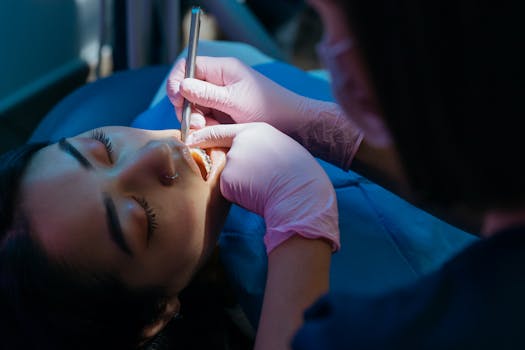
A dentist is like a superhero for your teeth! They are important doctors who help people keep their teeth and gums healthy and strong. When you visit a dentist, they will carefully check inside your mouth to make sure everything looks good. They might take special pictures called X-rays to see what is happening underneath your gums too. If you have a small hole in your tooth, called a cavity, a dentist can gently fix it with a filling. They also help clean your teeth to make them sparkly and teach you the best way to brush and floss so you can have a super smile every day. Being a dentist means you get to help people feel better and smile with confidence. Sometimes they might need to help someone who has a sore tooth, or they might help a child learn how to look after their new grown-up teeth. Dentists work in special clinics called dental practices, which can be part of the National Health Service (NHS) or private. They use special tools that help them look closely at your teeth and make sure they are healthy. It is a very rewarding job because you make a real difference to people's health and happiness.

Dentist

Flag Media

Please select a reason for flagging this content.

📊 Statistics

Average Starting Salary

For dentists just starting out in the NHS, the salary usually begins around 35,000 to 45,000 pounds a year.

Experienced Dentist Salary

Dentists with more experience can earn between 50,000 to over 100,000 pounds a year, especially if they own their own practice.

Number of Dentists in the UK

There are over 40,000 registered dentists working in the UK, helping lots of people keep their teeth healthy.

🚀 Careers in this path

Flag Media

Please select a reason for flagging this content.

Orthodontist

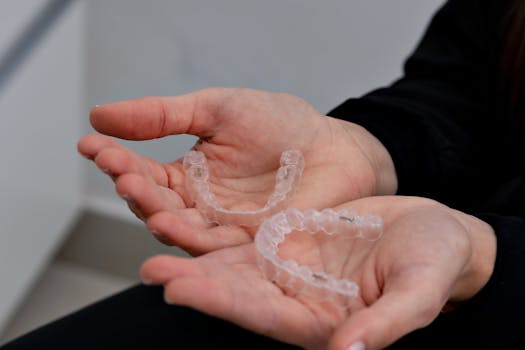
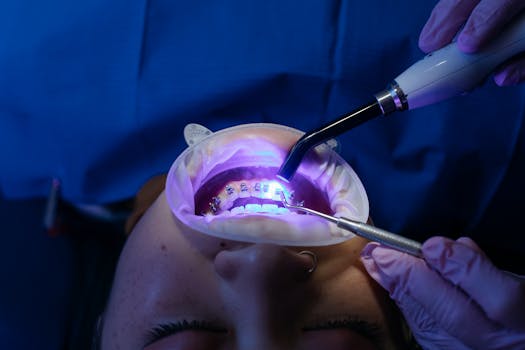
An orthodontist helps make your teeth straight and your smile look perfect! They use things like braces to gently move your teeth into the right place over time. You might visit them a few times to get your braces checked and adjusted.

Flag Media

Please select a reason for flagging this content.

Dental Hygienist

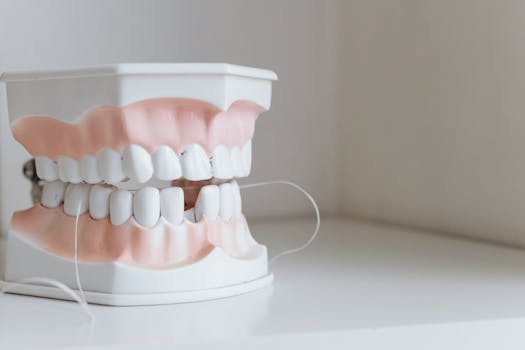
A dental hygienist is an expert at keeping your teeth super clean and healthy! They clean away any sticky plaque or hard tartar from your teeth and teach you the best way to brush and floss so your smile stays bright and strong. They want to make sure your gums are healthy too.

Flag Media

Please select a reason for flagging this content.

Paediatric Dentist

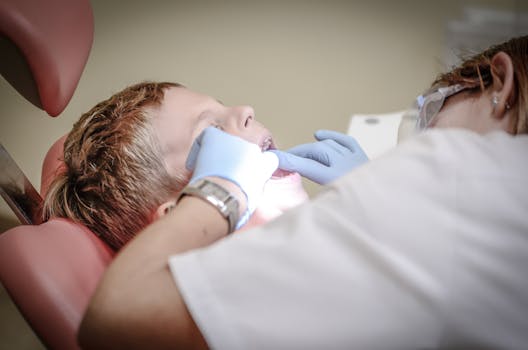
A paediatric dentist is a special dentist who only looks after children's teeth! They are really good at making visits fun and helping children feel brave. They check for wobbly teeth, fix small holes, and teach kids how to look after their smiles as they grow up.

Learning About Teeth

Brush Your Own Teeth

Start by being really good at looking after your own teeth. Brush twice a day for two minutes, and remember to floss!

Practising good oral hygiene yourself is the very first step. It helps you understand how important it is and how different tools like toothbrushes and toothpaste work. You'll learn the difference between healthy and unhealthy habits for your mouth.

Ask Your Dentist Questions

When you visit the dentist, ask them what they do, what tools they use, and why they do certain things. They love to teach!

Don't be shy! Your own dentist is a fantastic resource. They can explain the different parts of their job, from checking your teeth to taking x-rays. This will give you a real-life insight into what being a dentist is like and spark your curiosity.

Read Books About Bodies

Read books about how our bodies work, especially ones about teeth and mouths. It's like a fun adventure inside you!

Understanding basic biology and anatomy, particularly how the human mouth and teeth are structured, is really important. Look for children's books that explain bones, muscles, and organs, focusing on the head and neck. This builds a foundation for later learning.

School Adventures

Do Well in Science

Pay close attention in science classes, especially when you learn about biology (that's about living things) and chemistry (that's about how things mix and change).

When you go to secondary school, subjects like Biology and Chemistry become super important for anyone wanting to be a dentist. These subjects teach you about the human body, diseases, and medicines. Aim for good grades in these areas.

Practise Being Kind and Gentle

Dentists need to be very gentle and kind, especially with people who might feel a bit scared. Practise being patient and understanding with your friends and family.

Being a dentist isn't just about knowing science; it's also about being good with people. Many patients, especially children, can be nervous. Developing good communication skills, empathy, and a gentle manner is crucial. You can practise this in your daily life by being helpful and understanding.

Join a School Club

Maybe join a first aid club or a science club at school. It's a fun way to learn more and meet new friends!

Extracurricular activities like a science club, health and social care club, or even a debating society can enhance your skills. They show you're keen to learn outside of lessons and develop teamwork and communication, which are valuable for healthcare professionals.

Becoming a Real Dentist

Study at University

After school, you'll need to go to university to study a special course called 'Dentistry'. It's usually 5 years long and teaches you everything about teeth!

To become a qualified dentist in the UK, you must complete a Bachelor of Dental Surgery (BDS or BDentS) degree. These courses are intensive and cover topics like oral anatomy, pathology, pharmacology, and practical clinical skills. You'll gain hands-on experience treating patients under supervision.

Do Extra Training

After university, you'll do a year of special training with experienced dentists to learn even more and get ready to work on your own.

Once you graduate from university, you'll typically complete a Foundation Training (FT) year. This is a supervised year in a dental practice where you apply your university learning in a real-world setting, gaining confidence and refining your clinical skills before you can practise independently.

Work as a Dentist

After all your training, you'll be a qualified dentist ready to help people have healthy, happy smiles every day!

Once you've completed your university degree and foundation training, you can register with the General Dental Council (GDC) and start your career as a qualified dentist. You might work in a general dental practice, a hospital, or even go on to specialise in a particular area of dentistry.

🎯 View Apprenticeships

Explore relevant apprenticeships that can help you kickstart your career in Dentist. Apprenticeships offer hands-on experience and training while earning a wage.

Career Progressions

This page showcases various career options and the pathways to reach them. Each career listed here shares transferable skills and knowledge, making it easier for individuals to transition between them.

Your current career is highlighted to help you see how it fits into the broader landscape of potential career choices. By clicking on any career, you can learn more about it, including the training and education required to pursue it.

Remember, progressing in your career often involves further learning and training. This page provides insights into future career options as well as those that can lead up to your current one.

These career progression decisions are informed by comparing the skills and knowledge needed for different occupations, along with data on how people move between them. Explore the possibilities and discover the exciting journey ahead in your career!

Sample Qualifications

How to become

You can get into this job through a university course.

University

You'll need to complete a 5-year degree in dentistry approved by the General Dental Council, followed by 1 to 2 years of postgraduate dental training.

You might be able to do a 4-year degree course if you already have a degree in a relevant subject, for example biomedical sciences.

When you apply for a course in dentistry, you may be asked to take the University Clinical Aptitude Test (UCAT).

It tests the skills you'll need on the course, like critical thinking, problem solving, data analysis, communication and scientific knowledge.

You might be able to apply for a 4-year dental degree course if you've already got at least an upper second class degree (2:1) in biology, chemistry or a biomedical subject.

There's a lot of competition for places at dental schools.

Entry requirements

You'll usually need:

  • 3 A levels, or equivalent, including biology and chemistry

More Information

More Information

Registration

Further information

You can find out more about becoming a dentist from the British Dental Association and Health Careers.

Interested in More Career Paths?

Explore other careers or use our AI to discover personalised paths based on your interests.

Stay connected

Join our newsletter to stay up to date on features and releases

Address
Developing Experts Limited
Exchange Street Buildings
35-37 Exchange Street
Norwich
NR2 1DP
UK

Phone
01603 273515

Email
[email protected]

Copyright 2026 Developing Experts, All rights reserved.
