



Creating Career Path...

Finding Further Careers...

Dentist

View this career for different education levels:

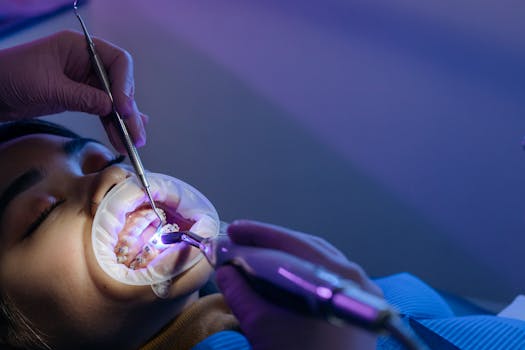
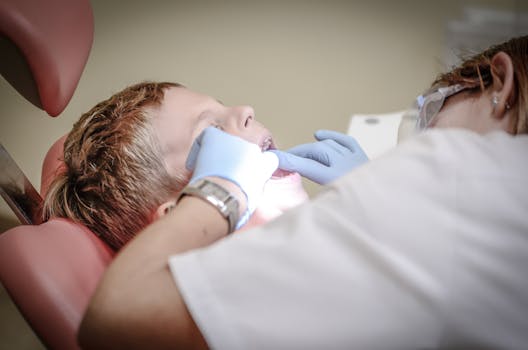
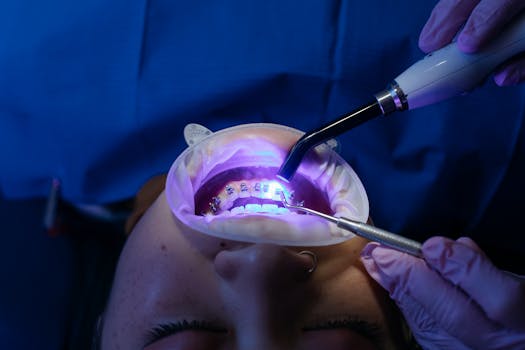
Being a dentist in the UK involves diagnosing, treating, and preventing oral diseases and conditions. This career is much more than just filling cavities; it encompasses a broad range of responsibilities from routine check-ups and hygiene advice to performing complex surgical procedures, fitting braces, and administering anaesthetics. You will work with a diverse patient base, from young children to the elderly, requiring excellent communication skills, empathy, and a steady hand. Dentists often work in NHS practices, private clinics, hospitals, or even in community dental services or the armed forces. Continuous professional development is mandatory to maintain registration with the General Dental Council (GDC), ensuring you stay up-to-date with the latest techniques and advancements in dental medicine. The role demands precision, attention to detail, and a strong commitment to patient care and safety. A typical day might involve seeing numerous patients for various treatments, reviewing X-rays, charting patient records, and collaborating with dental nurses and hygienists. You will be responsible for managing your time effectively and often working to tight schedules. Beyond clinical duties, dentists in practice management roles may also handle administrative tasks, staff supervision, and financial management. The career offers a rewarding opportunity to improve peoples oral health, confidence, and overall wellbeing, making a tangible difference to their quality of life. It requires significant academic dedication, typically a five-year degree in dentistry (BDS or equivalent), followed by foundational training.

Dentist

Flag Media

Please select a reason for flagging this content.

📊 Statistics

Starting Salary Range (NHS)

Newly qualified dentists working for the NHS can expect a starting salary typically ranging from 35,000 to 45,000 pounds per year, depending on their role and location. Experienced dentists in the NHS can earn upwards of 50,000 to 100,000 pounds or more, particularly those with specialisations or in leadership roles.

Private Practice Salary Range

For dentists in private practice, income can vary significantly based on patient volume, services offered, and practice ownership. Experienced private dentists can earn considerably more, often ranging from 70,000 to over 150,000 pounds annually, with highly successful private practitioners earning substantially higher.

Number of Registered Dentists (GDC)

As of recent General Dental Council (GDC) figures, there are over 40,000 dentists registered to practice in the UK. This number includes general dental practitioners, specialists, and those in training, highlighting a significant professional body within the healthcare sector.

🚀 Careers in this path

Flag Media

Please select a reason for flagging this content.

Orthodontist

An Orthodontist specialises in straightening teeth and correcting bites. They diagnose, prevent, and treat dental and facial irregularities, often working with braces, clear aligners, and other corrective appliances. This role requires additional postgraduate training after qualifying as a dentist.

Flag Media

Please select a reason for flagging this content.

Oral and Maxillofacial Surgeon

An Oral and Maxillofacial Surgeon diagnoses and treats diseases, injuries, and defects of the mouth, jaw, and face. This can include wisdom tooth removal, facial trauma reconstruction, and jaw correction surgery. It involves extensive further training after becoming a qualified dentist, often combining medical and dental qualifications.

Flag Media

Please select a reason for flagging this content.

Paediatric Dentist

A Paediatric Dentist specialises in the oral health of children from infancy through adolescence. They provide comprehensive dental care, including preventative treatments, restorative procedures, and managing dental development, often focusing on making the dental experience positive for young patients. This specialism requires postgraduate training.

Foundation and Early Education

Achieve Strong A-Levels

Secure high grades in science subjects crucial for dental school applications. Typically, Chemistry and Biology are essential, with a third subject often being Physics or Mathematics.

Most UK dental schools require AAA or AAB, with specific subject requirements. It's vital to check the entry criteria for each university you're interested in, as these can vary slightly. Aim for the highest grades possible to make your application competitive.

Gain Relevant Work Experience

Undertake work experience in a dental practice, hospital, or care home to demonstrate your commitment and understanding of the profession.

Work experience is crucial for showing dental schools you understand the realities of the profession and have genuine interest. This could involve shadowing a dentist, dental hygienist, or even working in a care setting to demonstrate patient interaction skills. Document your experiences and reflect on what you learned about patient care, teamwork, and the challenges faced by dental professionals. Many universities look for evidence of empathy and communication skills developed through such experiences.

Prepare for Admissions Tests

Familiarise yourself with and prepare for the UCAT (University Clinical Aptitude Test) or BMAT (BioMedical Admissions Test), as required by your chosen universities.

The UCAT is typically required by most UK dental schools, while a few may require the BMAT. These tests assess skills such as critical thinking, problem-solving, and abstract reasoning, rather than scientific knowledge. Start preparing well in advance, utilising practice questions and mock tests to improve your scores. Strong performance in these tests is often a significant factor in securing an interview.

University and Qualification

Complete a Bachelor of Dental Surgery (BDS)

Enrol in and successfully complete a five-year Bachelor of Dental Surgery (BDS or equivalent) degree programme at a GDC-accredited university in the UK.

The BDS programme is a rigorous full-time course combining academic study with extensive practical clinical experience. You'll learn about human anatomy, physiology, oral pathology, pharmacology, and dental materials, alongside developing hands-on skills in treating patients. The curriculum includes rotations through various dental specialities such as periodontology, orthodontics, and restorative dentistry. Throughout the degree, you'll be supervised by experienced dental professionals and will progressively take on more responsibility for patient care.

Undertake Elective Placements

Utilise elective periods during your degree to explore different areas of dentistry or experience dental practice in another setting, potentially internationally.

Elective placements provide an excellent opportunity to broaden your horizons and gain unique insights into specific dental specialities or different healthcare systems. This could involve spending time in a hospital dental department, a community dental service, or even volunteering in a dental clinic abroad. It's a chance to network, learn new techniques, and reinforce your passion for particular aspects of dentistry, enhancing your clinical exposure beyond the core curriculum.

Pass Final Examinations

Successfully pass all university examinations, including written, practical, and clinical assessments, to be awarded your BDS degree.

The final year of your BDS degree will culminate in comprehensive examinations designed to assess your cumulative knowledge and clinical competency. These typically include extended written papers, objective structured clinical examinations (OSCEs) that test practical skills and patient communication, and assessments of your clinical performance with real patients. Passing these exams is the final academic hurdle before you can register as a qualified dentist.

Post-Graduation and Career Entry

Register with the GDC

Upon graduation, register with the General Dental Council (GDC), the regulatory body for dental professionals in the UK, to legally practise dentistry.

Registration with the GDC is mandatory for all dentists wishing to practise in the UK. This involves demonstrating that you have successfully completed an approved dental degree and meet the GDC's standards for education and training. Once registered, you will be assigned a GDC registration number, which you must use when prescribing or referring patients. Maintaining your registration requires adherence to GDC standards and engaging in continuous professional development (CPD).

Complete Dental Foundation Training (DFT)

Secure and successfully complete a one-year Dental Foundation Training (DFT) programme, often referred to as VT (Vocational Training).

DFT is a compulsory training year for all new dental graduates in the UK. It involves working in an approved general dental practice under the supervision of an experienced trainer. During DFT, you will gain hands-on experience treating a wide variety of patients, honing your clinical skills and building confidence. You'll also participate in structured educational programmes, workshops, and study days. Successful completion of DFT is essential for independent practice.

Begin Practice as a Qualified Dentist

After DFT, seek employment in general dental practice, community dental services, or a hospital setting, either as an associate or by pursuing further specialisation.

With your GDC registration and DFT complete, you are now qualified to practise dentistry independently. Many dentists start their careers as associate dentists in NHS or private practices, gaining further experience across a broad range of dental procedures. Others may choose to pursue further postgraduate training to specialise in areas like orthodontics, endodontics, or oral surgery, which involves competitive entry into specialist training programmes (StR). Continuous professional development (CPD) is a lifelong requirement to maintain your skills and stay up-to-date with advancements in dentistry.

🎬 Useful Videos

🎯 View Apprenticeships

Explore relevant apprenticeships that can help you kickstart your career in Dentist. Apprenticeships offer hands-on experience and training while earning a wage.

Career Progressions

This page showcases various career options and the pathways to reach them. Each career listed here shares transferable skills and knowledge, making it easier for individuals to transition between them.

Your current career is highlighted to help you see how it fits into the broader landscape of potential career choices. By clicking on any career, you can learn more about it, including the training and education required to pursue it.

Remember, progressing in your career often involves further learning and training. This page provides insights into future career options as well as those that can lead up to your current one.

These career progression decisions are informed by comparing the skills and knowledge needed for different occupations, along with data on how people move between them. Explore the possibilities and discover the exciting journey ahead in your career!

Sample Qualifications

How to become

You can get into this job through a university course.

University

You'll need to complete a 5-year degree in dentistry approved by the General Dental Council, followed by 1 to 2 years of postgraduate dental training.

You might be able to do a 4-year degree course if you already have a degree in a relevant subject, for example biomedical sciences.

When you apply for a course in dentistry, you may be asked to take the University Clinical Aptitude Test (UCAT).

It tests the skills you'll need on the course, like critical thinking, problem solving, data analysis, communication and scientific knowledge.

You might be able to apply for a 4-year dental degree course if you've already got at least an upper second class degree (2:1) in biology, chemistry or a biomedical subject.

There's a lot of competition for places at dental schools.

Entry requirements

You'll usually need:

  • 3 A levels, or equivalent, including biology and chemistry

More Information

More Information

Registration

Further information

You can find out more about becoming a dentist from the British Dental Association and Health Careers.

Interested in More Career Paths?

Explore other careers or use our AI to discover personalised paths based on your interests.

Stay connected

Join our newsletter to stay up to date on features and releases

Address
Developing Experts Limited
Exchange Street Buildings
35-37 Exchange Street
Norwich
NR2 1DP
UK

Phone
01603 273515

Email
[email protected]

Copyright 2026 Developing Experts, All rights reserved.
