



Creating Career Path...

Finding Further Careers...

Dentist

View this career for different education levels:

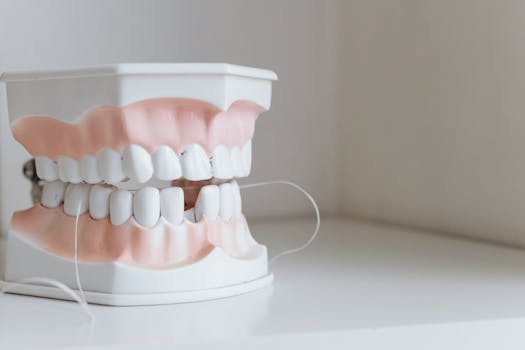
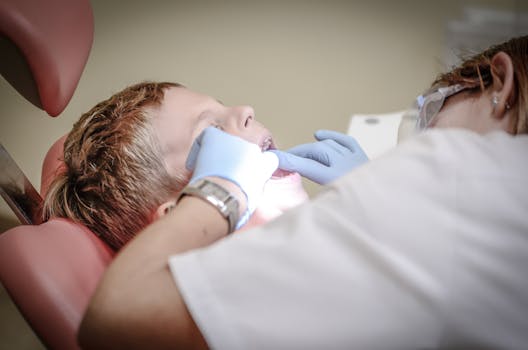
Being a dentist is a super important job in healthcare, all about looking after people's teeth and gums. Imagine being the person who helps someone have a healthy, happy smile! Dentists examine mouths to check for problems like cavities (those little holes in teeth), gum disease, or other issues. They fix teeth by filling cavities, taking out teeth that are too damaged, and even doing things like fitting braces to straighten teeth or making crowns to cover damaged ones. They also give advice on how to keep teeth clean and healthy, like how often to brush and what kinds of food are good or bad for your teeth. It is a job that requires a lot of precision, a steady hand, and good communication skills to explain things to patients, especially younger ones who might be a bit nervous. To become a dentist in the UK, you usually need to study at university for about 5 years to get a Bachelor of Dental Surgery (BDS) degree. After that, you'll do a year of supervised training, often in an NHS practice, before you can practise fully on your own. It is a very rewarding career because you get to help people feel better, eat more comfortably, and gain confidence with a great smile. You could work in an NHS dental practice, a private clinic, hospitals, or even in the armed forces. Some dentists go on to specialise in certain areas, like orthodontics (straightening teeth) or oral surgery.

Dentist

Flag Media

Please select a reason for flagging this content.

📊 Statistics

Average Starting Salary

For newly qualified dentists in the NHS, starting salaries typically range from 35,000 to 50,000 pounds per year, increasing significantly with experience.

Experienced Dentist Salary

Experienced NHS dentists can earn between 50,000 and 110,000 pounds a year, while those in private practice may earn even more, sometimes exceeding 140,000 pounds.

Job Outlook in the UK

There are over 40,000 registered dentists in the UK, with a consistent demand for new professionals, especially in certain areas and specialisms.

🚀 Careers in this path

Flag Media

Please select a reason for flagging this content.

Orthodontist

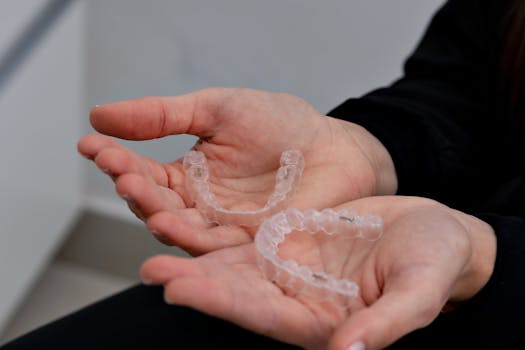
An orthodontist is a special dentist who helps people get straight teeth and a great smile. They use things like braces and retainers to gently move teeth into the right place, making sure they fit together properly. It's like being a dentist and a designer for smiles!

Flag Media

Please select a reason for flagging this content.

Dental Hygienist

A dental hygienist works alongside dentists and helps people keep their teeth and gums really clean and healthy. They show people how to brush and floss properly, clean away any plaque and tartar, and give advice on how to stop problems like cavities and gum disease before they start. They are like a tooth cleaning expert!

Flag Media

Please select a reason for flagging this content.

Paediatric Dentist

A paediatric dentist is a special dentist just for children and teenagers. They know all about looking after young teeth, from when they first appear right up to when permanent teeth are fully grown. They make going to the dentist a fun and friendly experience, helping kids learn good habits for a lifetime of healthy smiles. They are like a superhero dentist for youngsters!

Build Your Foundations

Excel in Science Subjects

Focus on doing really well in subjects like Biology, Chemistry, and Physics during your secondary school years. These are super important for understanding how the body works.

To become a dentist, you'll need a strong scientific background. At GCSE level, aim for top grades in Science subjects (often studied as Combined Science, or separate Biology, Chemistry, and Physics). For A-Levels, most dental schools require Chemistry and Biology, often with a third subject like Maths or Physics. Some universities might also accept other subjects, but Chemistry and Biology are usually essential.

Explore Work Experience

Try to get some experience or shadowing in a dental practice. This will help you see what a dentist's day is really like.

Work experience is incredibly valuable for your university applications. It shows you've thought seriously about dentistry and understand the realities of the profession. Contact local dental clinics to see if you can observe, even for a few days. You could also volunteer in a healthcare setting, like a care home, to show you can interact with patients and have caring qualities. Any experience that demonstrates communication, empathy, and manual dexterity (like art or playing a musical instrument) can also be useful to mention.

Develop Key Skills

Practice skills like problem-solving, good communication, and being very careful and precise with your hands.

Dentists need to be excellent communicators to explain treatments to patients and reassure them. Problem-solving is vital for diagnosing issues and deciding on the best course of action. Manual dexterity is incredibly important for carrying out delicate procedures inside the mouth. You can develop these skills through hobbies like model making, playing a musical instrument, drawing, or even certain video games that require precision. Participating in school debates or presentations can boost your communication skills.

University Journey

Apply to Dental School

After your A-Levels, you'll apply to universities that offer a Bachelor of Dental Surgery (BDS) degree.

Applying to dental school is competitive. You'll apply through UCAS (Universities and Colleges Admissions Service). Most dental schools look for excellent academic grades, relevant work experience, a strong personal statement, and good performance in admissions tests like the UCAT (University Clinical Aptitude Test) or BMAT (BioMedical Admissions Test). Prepare well for these tests as they are a significant part of the application process. Make sure to research different universities and their specific entry requirements.

Study for Your Degree

Spend about five years at university studying dentistry, learning all about teeth, gums, and how to treat them.

A Bachelor of Dental Surgery (BDS or BDentS) degree typically lasts five years in the UK. During this time, you'll learn about anatomy, physiology, oral biology, pathology, and pharmacology, alongside practical clinical skills. You'll gain hands-on experience treating patients under supervision in university dental hospitals. The curriculum is challenging and comprehensive, covering everything from basic fillings and extractions to more complex procedures and patient management.

Pass Your Exams

Work hard to pass all your university exams and clinical assessments to earn your dental qualification.

Throughout your five years, you'll have various exams, both written and practical, to ensure you're developing the necessary knowledge and skills. The final year often involves comprehensive assessments of your clinical competence across a range of dental procedures. Successfully completing your degree means you'll be awarded your BDS qualification, which is the first step towards becoming a fully registered dentist in the UK.

Start Your Career

Complete Foundation Training

After university, you'll do a year of supervised training in a dental practice, known as Foundation Training.

After graduating, new dentists in the UK must complete Dental Foundation Training (DFT), which usually lasts one year. This involves working as a supervised dentist in an approved practice, gaining hands-on experience with real patients while receiving ongoing education and mentorship. It's a crucial step to gain full registration with the General Dental Council (GDC) and consolidate the skills learned at university in a practical setting.

Register with the GDC

Once you've finished your training, you'll register with the General Dental Council to practice as a qualified dentist.

The General Dental Council (GDC) is the regulatory body for dentists in the UK. To practice legally, you must be registered with them. After successfully completing your Foundation Training, you can apply for full registration. This confirms you meet the necessary standards of education, training, and professional conduct required to work as an independent dentist, ensuring public safety and maintaining professional standards.

Continue Learning and Specialise

Dentistry is always changing, so keep learning new techniques and maybe even choose to specialise in a particular area.

The field of dentistry is constantly evolving with new technologies and treatments. As a qualified dentist, you'll be required to undertake Continuous Professional Development (CPD) throughout your career to keep your skills and knowledge up to date. You might also choose to specialise in areas like orthodontics (straightening teeth), endodontics (root canal treatment), oral surgery, or paediatric dentistry (children's dentistry), which involves further postgraduate study and training.

🎯 View Apprenticeships

Explore relevant apprenticeships that can help you kickstart your career in Dentist. Apprenticeships offer hands-on experience and training while earning a wage.

Career Progressions

This page showcases various career options and the pathways to reach them. Each career listed here shares transferable skills and knowledge, making it easier for individuals to transition between them.

Your current career is highlighted to help you see how it fits into the broader landscape of potential career choices. By clicking on any career, you can learn more about it, including the training and education required to pursue it.

Remember, progressing in your career often involves further learning and training. This page provides insights into future career options as well as those that can lead up to your current one.

These career progression decisions are informed by comparing the skills and knowledge needed for different occupations, along with data on how people move between them. Explore the possibilities and discover the exciting journey ahead in your career!

Sample Qualifications

How to become

You can get into this job through a university course.

University

You'll need to complete a 5-year degree in dentistry approved by the General Dental Council, followed by 1 to 2 years of postgraduate dental training.

You might be able to do a 4-year degree course if you already have a degree in a relevant subject, for example biomedical sciences.

When you apply for a course in dentistry, you may be asked to take the University Clinical Aptitude Test (UCAT).

It tests the skills you'll need on the course, like critical thinking, problem solving, data analysis, communication and scientific knowledge.

You might be able to apply for a 4-year dental degree course if you've already got at least an upper second class degree (2:1) in biology, chemistry or a biomedical subject.

There's a lot of competition for places at dental schools.

Entry requirements

You'll usually need:

  • 3 A levels, or equivalent, including biology and chemistry

More Information

More Information

Registration

Further information

You can find out more about becoming a dentist from the British Dental Association and Health Careers.

Interested in More Career Paths?

Explore other careers or use our AI to discover personalised paths based on your interests.

Stay connected

Join our newsletter to stay up to date on features and releases

Address
Developing Experts Limited
Exchange Street Buildings
35-37 Exchange Street
Norwich
NR2 1DP
UK

Phone
01603 273515

Email
[email protected]

Copyright 2026 Developing Experts, All rights reserved.
