



Creating Career Path...

Finding Further Careers...

Sports Performance Analyst

View this career for different education levels:

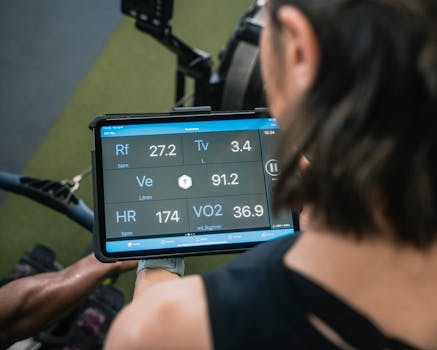
Imagine you love watching sports and want to help your favourite team play even better. That is a bit like what a Sports Performance Analyst does! They are like super detectives for sports. They watch games and training sessions very, very carefully, often using special cameras and computer programs. They look for things like how fast players run, where they kick the ball, or how well they pass it. They collect all this information, which is called data, to understand what is working well and what could be improved. They might show the coaches and players videos and charts to help them learn and plan for the next game. This job is all about helping athletes and teams get better and win more. It involves a lot of watching, thinking, and using computers to understand sports in a really clever way. You would need to be very good at noticing details, understanding numbers, and explaining what you find to others. It is a fantastic job for someone who loves sports and enjoys solving puzzles!

Sports Performance Analyst

Flag Media

Please select a reason for flagging this content.

📊 Statistics

Starting Salary

For someone just starting out, a Sports Performance Analyst in the UK might earn around 18,000 to 25,000 pounds a year. This can be more or less depending on the team or sport.

Experienced Salary

With more experience and working with bigger teams or professional athletes, an analyst could earn between 30,000 and 50,000 pounds a year. Some top-level analysts earn even more.

Job Availability

While it is a growing field, there are not thousands of jobs available every year. Many roles are with professional sports teams, academies, and national sports organisations across the UK.

🚀 Careers in this path

Flag Media

Please select a reason for flagging this content.

Football Scout

Imagine watching football matches and spotting the very best young players who could become superstars! A Football Scout looks for talented children who are good at playing football and might be able to join a big team when they are older. They watch how players run, kick the ball, and work with their team mates.

Flag Media

Please select a reason for flagging this content.

Athletics Coach for Youngsters

Do you love to run, jump, and throw? An Athletics Coach for Youngsters helps children learn how to run faster, jump higher, and throw further, just like the athletes you see in the Olympics! They teach fun exercises and games to help kids get stronger and better at sports, making sure everyone has a good time.

Flag Media

Please select a reason for flagging this content.

Sports Event Organiser

Have you ever been to a sports day at school or watched a big sports competition? A Sports Event Organiser is like the person who plans a fantastic party, but for sports! They make sure there's a good place to play, all the equipment is ready, and that everyone knows what to do and where to go. They help make sure the event runs smoothly and is lots of fun for everyone playing and watching.

Learning and Playing

Watch Lots of Sport

Start by watching many different sports! Try to notice how players move, what they do well, and when things go wrong. Think about why certain teams win or lose.

When you watch sports like football, netball, or even athletics, try to see more than just the ball! Look at where players stand, how quickly they run, or how they work together as a team. You could even draw little pictures of how players move on a pitch or court to help you remember.

Play and Understand

Playing sports yourself is a great way to understand how they work. You'll learn about rules, teamwork, and what it feels like to make good or bad decisions in a game.

Join a local sports club, play with friends in the park, or participate in school sports. When you play, you'll feel the rhythm of the game and understand why certain strategies are used. This 'inside' knowledge is super helpful for an analyst.

Learn About Numbers

Numbers are very important for performance analysts. Try to get good at maths at school, as you'll use numbers to measure things like how fast someone runs or how many passes they make.

Even simple maths like counting goals or calculating averages can be a start. As you get older, learning about percentages and graphs will become even more useful. Understanding how to interpret data is a key skill for a sports performance analyst, so paying attention in maths class will be a big advantage.

Growing Your Skills

Study Sports at School

When you get older, you can choose to study subjects like Physical Education (PE) at school. This will teach you more about how the body works and the rules of different sports.

Taking PE will give you a deeper understanding of sports science, training methods, and the psychology behind performance. You might learn about biomechanics, which is how our bodies move, and how to analyse different sports techniques. These are all things a performance analyst needs to know.

Get Techy

Learn how to use computers and different types of software. Performance analysts use special computer programs to watch videos and count important things in games.

Practice using basic computer programs like spreadsheets to organise information. Later on, you might explore video editing software or even try to understand how simple coding works. Being comfortable with technology is a must, as a lot of the analysis work is done using digital tools.

Watch and Learn from Others

Look for videos online or articles about sports analysis. See how real analysts explain what they do and the kinds of things they look for in a game.

Many sports clubs share short analysis clips or reports online. Try to find interviews with sports analysts and listen to how they talk about their job. This will give you a good idea of the language they use and the types of questions they ask.

Becoming an Expert

Go to University

To become a sports performance analyst, most people go to university to study a degree like Sports Science, Sports Analysis, or Coaching Science.

These university courses teach you advanced techniques for analysing performance, using specialised software and collecting data. You'll learn about statistics, physiology, and how to present your findings to coaches and athletes in a clear way. It's a big step towards your dream job!

Get Work Experience

Try to get experience working with a sports team, even if it's a small local one. You could help a coach film games or count specific actions during matches.

Volunteering at a local football club, rugby team, or school sports department can give you valuable hands-on experience. You might start by just setting up cameras or tagging basic events, but this experience is crucial for building your skills and making connections in the sports world. It shows future employers you're keen and ready to learn.

Build Your Portfolio

As you learn and get experience, create a collection of your best analysis work. This could be reports you've written, videos you've analysed, or data you've collected.

Your portfolio is like a showcase of your skills. It demonstrates what you can do and how you think as an analyst. When you apply for jobs, you can show this portfolio to prove you have the talent and knowledge required to help teams improve their performance.

🎬 Useful Videos

🎯 View Apprenticeships

Explore relevant apprenticeships that can help you kickstart your career in Sports Performance Analyst. Apprenticeships offer hands-on experience and training while earning a wage.

Career Progressions

This page showcases various career options and the pathways to reach them. Each career listed here shares transferable skills and knowledge, making it easier for individuals to transition between them.

Your current career is highlighted to help you see how it fits into the broader landscape of potential career choices. By clicking on any career, you can learn more about it, including the training and education required to pursue it.

Remember, progressing in your career often involves further learning and training. This page provides insights into future career options as well as those that can lead up to your current one.

These career progression decisions are informed by comparing the skills and knowledge needed for different occupations, along with data on how people move between them. Explore the possibilities and discover the exciting journey ahead in your career!

Sample Qualifications

A Sports Performance Analyst focuses on collecting and interpreting data related to athlete performance, very much aligning with the role of a Performance Sports Scientist who applies scientific principles to enhance sports performance, often involving data analysis, physiological testing, and biomechanical assessment.

How to become

You can get into this job through a university course.

University

You could take a degree course in sport and exercise science. Courses that include the 3 main subjects of biomechanics, physiology and psychology, will help to keep your job and study options open later on.

Alternatively, you could study for a degree in a science related subject followed by a postgraduate qualification in sports science.

Related subjects include:

  • physical education
  • natural sciences
  • physiology
  • psychology

It's quite common for sports scientists to have or be working towards a postgraduate qualification.

Courses that include work placements or internship opportunities could give you an advantage when job hunting after completing your studies. This is something to ask universities about when you're looking at their courses.

Entry requirements

You'll usually need:

  • 2 to 3 A levels, or equivalent, for a degree
  • a degree in a relevant subject for postgraduate study

More Information

More Information

Career tips

Experience as fitness instructor, lifeguard, coach or volunteering, for example with a sports club, may improve your career prospects.

It will help you stand out in a competitive jobs market if you have extra qualifications like:

  • first aid
  • gym instructing
  • safeguarding

Professional and industry bodies

You could join The British Association of Sport and Exercise Sciences (BASES) for professional development opportunities.

Further information

You'll find more advice on careers in sports science from The British Association of Sport and Exercise Sciences and Careers in Sport.

Interested in More Career Paths?

Explore other careers or use our AI to discover personalised paths based on your interests.

Stay connected

Join our newsletter to stay up to date on features and releases

Address
Developing Experts Limited
Exchange Street Buildings
35-37 Exchange Street
Norwich
NR2 1DP
UK

Phone
01603 273515

Email
[email protected]

Copyright 2026 Developing Experts, All rights reserved.
