




Creating Career Path...

Finding Further Careers...

Sports Performance Analyst

View this career for different education levels:

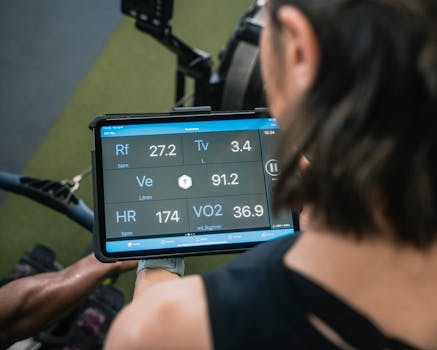
A Sports Performance Analyst in the UK plays a crucial role in enhancing athletic and team performance by collecting, analysing, and interpreting data related to training and competition. Their work involves breaking down game footage, tracking athlete movements, monitoring physiological data, and identifying trends, strengths, and weaknesses. They use specialist software and tools to provide detailed reports and visualisations to coaches, athletes, and support staff, helping to inform tactical decisions, refine training programmes, and optimise individual and team strategies. This role requires a keen eye for detail, strong analytical skills, and the ability to communicate complex information clearly and concisely. Day-to-day tasks can vary significantly but often include live game analysis from the stands or a dedicated analysis suite, post-match or post-training video coding, creating player and team profiles, scouting opposition, and contributing to performance reviews. Analysts are integral to the coaching process, translating raw data into actionable insights that can directly impact results on the pitch, court, or track. It is a dynamic and fast-paced environment that demands a deep understanding of the sport, alongside technical proficiency in data analysis and presentation.

Sports Performance Analyst

Flag Media

Please select a reason for flagging this content.

📊 Statistics

Salary Range

Starting salaries for Sports Performance Analysts in the UK typically range from 20,000 to 28,000 annually. Experienced analysts with a strong track record and working in elite sports can earn between 35,000 and 60,000, with some senior roles in top-tier clubs or national teams potentially exceeding this.

Job Availability

The number of dedicated Sports Performance Analyst positions in the UK is growing, particularly in professional football, rugby, and other team sports. While still a competitive field, there is increasing demand across different levels of sport, from grassroots academies to Olympic programmes, for data-driven insights.

Typical Qualifications

Most Sports Performance Analysts in the UK hold a relevant degree such as Sport Science, Performance Analysis, Coaching Science, or a related field. Many also pursue postgraduate qualifications (Masters or PhD) to specialise further and enhance their career prospects in elite environments.

🚀 Careers in this path

Flag Media

Please select a reason for flagging this content.

Football Performance Analyst

Specialises in analysing individual and team performance within professional football clubs. This involves using video analysis software to break down game footage, identify tactical patterns, strengths, and weaknesses, and provide actionable insights to coaches and players to improve future performance.

Flag Media

Please select a reason for flagging this content.

Strength and Conditioning Coach

Designs and implements bespoke physical training programmes for athletes to improve their strength, power, speed, endurance, and flexibility. They work to prevent injuries and enhance overall athletic performance, often in a specific sport context, using scientific principles and periodised training methods.

Flag Media

Please select a reason for flagging this content.

Sports Data Scientist

Utilises advanced statistical methods and machine learning techniques to analyse large datasets related to athlete performance, game strategy, and player health. They develop predictive models and data visualisations to help teams make data-driven decisions regarding recruitment, tactics, and injury prevention.

Build Your Foundational Knowledge

Gain Relevant Education

Obtain a degree that provides a strong understanding of sports science, data analysis, and coaching principles.

Consider a Bachelor's degree in Sports Science, Sport and Exercise Science, Sports Coaching, or a related field. Some universities offer specific modules or degrees in Sports Performance Analysis. Look for courses that include modules on biomechanics, physiology, statistics, and research methods. A strong academic foundation is crucial for understanding the 'why' behind performance metrics.

Develop Data Analysis Skills

Learn how to collect, process, and interpret quantitative and qualitative data relevant to sports performance.

This involves understanding statistical methods and becoming proficient with software like Microsoft Excel for basic analysis, and potentially more advanced tools like R, Python, or specialist sports analysis software (e.g., Dartfish, Nacsport, Sportscode). Familiarise yourself with different data types, such as GPS tracking data, heart rate monitors, and match statistics. Online courses and workshops can be very beneficial here.

Understand Sports Coaching & Tactics

Acquire knowledge of various sports, their rules, strategies, and coaching methodologies.

A performance analyst needs to understand the game deeply, not just the numbers. This means knowing different tactical approaches, player roles, and common coaching philosophies across various sports (e.g., football, rugby, basketball). Consider taking coaching badges or volunteering with local sports teams to gain practical insight into how coaches think and what information they value.

Gain Practical Experience & Specialise

Seek Volunteer or Internship Opportunities

Apply for unpaid or low-paid roles with sports teams, clubs, or performance analysis companies to gain hands-on experience.

Many professional sports organisations offer internships for aspiring analysts. These roles are invaluable for learning the day-to-day operations, using industry-standard software, and building a professional network. Start with local university teams, semi-professional clubs, or even school sports programmes. Document your contributions and the impact of your analysis to build a portfolio.

Master Performance Analysis Software

Become highly proficient in the specialist software used for video and data analysis in sports.

Key software includes Dartfish, Nacsport, Sportscode, Hudl, and OptaPro. Many of these tools require specific training, and some offer certifications. The more software you are comfortable with, the more versatile you will be. Practical application of these tools during your internships or volunteer work is the best way to develop mastery.

Develop Communication & Presentation Skills

Learn to effectively communicate complex data insights to coaches and athletes in a clear, concise, and actionable manner.

Being able to present your findings visually (e.g., through video edits, graphs, reports) and verbally in a compelling way is just as important as the analysis itself. Practice tailoring your message to different audiences – a coach needs different information presented differently from an athlete. Public speaking courses or opportunities to present during your degree or internships can be very beneficial.

Advance Your Career

Network Within the Industry

Build connections with other professionals in sports science, coaching, and performance analysis.

Attend industry conferences, workshops, and online forums. Connect with people on LinkedIn. A strong professional network can open doors to new opportunities, collaborations, and mentorship. Relationships built early in your career can be invaluable for job referrals and staying abreast of industry trends.

Pursue Continuous Professional Development

Stay updated with the latest technologies, analytical techniques, and research in sports performance.

The field of sports performance analysis is constantly evolving with new technologies (e.g., AI in sports, advanced wearables). Read academic journals, attend webinars, pursue postgraduate qualifications like a Masters degree in Performance Analysis, or short courses to keep your skills sharp and knowledge current. Specialising in a particular sport or area (e.g., scouting analysis, injury prevention analysis) can also be beneficial.

Build a Strong Portfolio & Reputation

Consistently showcase your analytical work and its impact to demonstrate your expertise and value.

Maintain a portfolio of your best work, including anonymised reports, video breakdowns, and data visualisations. As you gain more experience, seek out opportunities to present at conferences or contribute to industry publications. A strong track record of delivering actionable insights will help you secure more senior roles and establish yourself as a respected professional in the field.

🎯 View Apprenticeships

Explore relevant apprenticeships that can help you kickstart your career in Sports Performance Analyst. Apprenticeships offer hands-on experience and training while earning a wage.

Career Progressions

This page showcases various career options and the pathways to reach them. Each career listed here shares transferable skills and knowledge, making it easier for individuals to transition between them.

Your current career is highlighted to help you see how it fits into the broader landscape of potential career choices. By clicking on any career, you can learn more about it, including the training and education required to pursue it.

Remember, progressing in your career often involves further learning and training. This page provides insights into future career options as well as those that can lead up to your current one.

These career progression decisions are informed by comparing the skills and knowledge needed for different occupations, along with data on how people move between them. Explore the possibilities and discover the exciting journey ahead in your career!

Sample Qualifications

A Sports Performance Analyst typically focuses on collecting, analysing, and interpreting data related to athlete performance to optimise training and competition strategies, which aligns directly with the duties and expertise of a Performance Sports Scientist.

How to become

You can get into this job through a university course.

University

You could take a degree course in sport and exercise science. Courses that include the 3 main subjects of biomechanics, physiology and psychology, will help to keep your job and study options open later on.

Alternatively, you could study for a degree in a science related subject followed by a postgraduate qualification in sports science.

Related subjects include:

  • physical education
  • natural sciences
  • physiology
  • psychology

It's quite common for sports scientists to have or be working towards a postgraduate qualification.

Courses that include work placements or internship opportunities could give you an advantage when job hunting after completing your studies. This is something to ask universities about when you're looking at their courses.

Entry requirements

You'll usually need:

  • 2 to 3 A levels, or equivalent, for a degree
  • a degree in a relevant subject for postgraduate study

More Information

More Information

Career tips

Experience as fitness instructor, lifeguard, coach or volunteering, for example with a sports club, may improve your career prospects.

It will help you stand out in a competitive jobs market if you have extra qualifications like:

  • first aid
  • gym instructing
  • safeguarding

Professional and industry bodies

You could join The British Association of Sport and Exercise Sciences (BASES) for professional development opportunities.

Further information

You'll find more advice on careers in sports science from The British Association of Sport and Exercise Sciences and Careers in Sport.

Interested in More Career Paths?

Explore other careers or use our AI to discover personalised paths based on your interests.

Stay connected

Join our newsletter to stay up to date on features and releases

Address
Developing Experts Limited
Exchange Street Buildings
35-37 Exchange Street
Norwich
NR2 1DP
UK

Phone
01603 273515

Email
[email protected]

Copyright 2026 Developing Experts, All rights reserved.
