


Creating Career Path...

Finding Further Careers...

Sports Performance Analyst

View this career for different education levels:

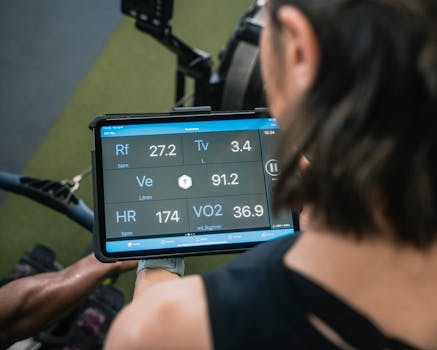
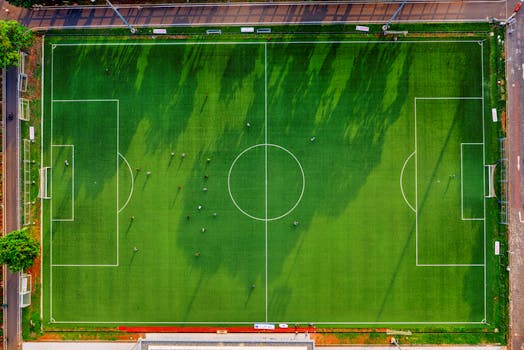
A Sports Performance Analyst is like a super-sleuth for sports teams! Their job is to watch games, training sessions, and individual athletes very, very closely, but not just with their eyes. They use special software, cameras, and even wearable tech to collect lots of data. This data could be about how fast a player runs, how many passes they make, where shots are taken from, or how a team moves together. Once they have all this information, they analyse it to find out what's working well and what could be improved. They then explain their findings to coaches and players, helping them understand how to play better, strategise against opponents, and improve their skills. It's a fantastic role for someone who loves sport, enjoys looking at details, and is good with computers and numbers.

Sports Performance Analyst

Flag Media

Please select a reason for flagging this content.

📊 Statistics

Average Starting Salary

For someone just starting out as a Sports Performance Analyst in the UK, you might expect to earn around 18,000 to 25,000 pounds per year. This can go up quite a bit as you get more experience.

Experienced Salary Range

With more experience, especially working with top teams or professional athletes, a Sports Performance Analyst in the UK could earn between 30,000 and 50,000 pounds annually. Some senior roles or those with highly successful teams can even reach 60,000 pounds or more.

Job Growth Outlook

While exact numbers are hard to pinpoint, the field of sports analysis in the UK is growing steadily, with more clubs and organisations recognising the value of data. This suggests a good outlook for new positions in the coming years.

🚀 Careers in this path

Flag Media

Please select a reason for flagging this content.

Football Scout

Imagine you're watching a football match, but instead of just enjoying it, you're looking for talented players who could become professional stars. You'd watch how they play, their skills, and how they work with their team. This helps clubs find new players.

Flag Media

Please select a reason for flagging this content.

Athletic Trainer

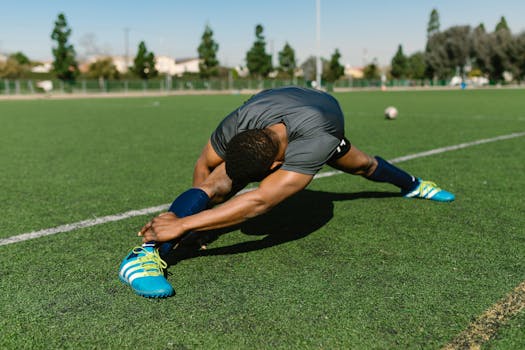
If you love sports and helping people, an Athletic Trainer might be for you. You'd work with athletes to help them prevent injuries, recover if they do get hurt, and get back to playing their best. It's about keeping them fit and healthy.

Flag Media

Please select a reason for flagging this content.

Sports Coach

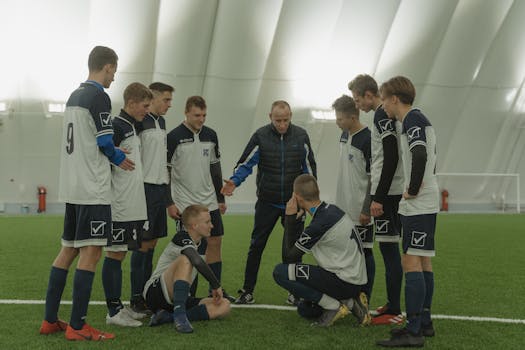
As a Sports Coach, you wouldn't just teach the rules of a game; you'd help players improve their skills, fitness, and teamwork. You'd plan training sessions, give advice during games, and inspire your team to achieve their goals, whether it's a school team or a local club.

Build a Strong Foundation

Excel in Core Subjects

Focus on subjects like Maths, Science (especially Physics and Biology), and Computing at school. These subjects will help you understand data, technology, and how the human body works, which are all important for sports analysis.

Understanding statistics and data analysis is key for a Sports Performance Analyst. Maths will give you a strong foundation in these areas. Biology will help you grasp concepts related to human movement, physiology, and injury prevention, which are crucial when analysing athlete performance. Computing skills are essential for using specialist software and managing large datasets.

Get Involved in Sports

Play different sports yourself, watch lots of professional sports, and try to understand the rules, tactics, and strategies of various games. This will give you a real 'feel' for how sports work.

Playing sports helps you understand the practical side of performance. You'll learn about teamwork, decision-making under pressure, and the physical demands of different activities. Watching professional sports with a critical eye, rather than just as a fan, will train you to observe patterns, player movements, and tactical changes, which is what analysts do.

Start Learning Tech Basics

Learn how to use basic computer programmes like spreadsheets (e.g., Microsoft Excel) and presentation software (e.g., PowerPoint). Also, explore simple video editing tools. These skills are essential for collecting and sharing your analysis.

Spreadsheet programmes are vital for organising and performing basic calculations on data. You'll use them to track player stats, match events, and more. Presentation software will be used to create reports and presentations for coaches and players. Basic video editing skills will allow you to cut and highlight specific clips of performance for analysis.

Gain Knowledge and Experience

Consider Further Education

After your GCSEs, look into A-levels or BTEC courses in subjects like Physical Education, Sport Science, Maths, or IT. Many universities offer degrees specifically in Sport and Exercise Science or Performance Analysis.

A degree in Sport and Exercise Science, Sports Performance Analysis, or a related field like Data Science or Computer Science (with a strong interest in sport) is often a requirement for this career. These courses will teach you advanced analytical techniques, sports physiology, biomechanics, and how to use specialist performance analysis software.

Volunteer or Intern

Try to get some experience by volunteering with local sports clubs, school teams, or even university sports teams. Offer to film matches, track stats, or help with basic analysis. This hands-on experience is incredibly valuable.

Volunteering is a fantastic way to get your foot in the door. It shows initiative and allows you to apply what you've learned in a real-world setting. Even if you start with basic tasks like filming games or inputting simple data, you'll gain exposure to a coaching environment, understand team dynamics, and start to see how analysis contributes to performance improvement.

Learn Specialist Software

Familiarise yourself with industry-standard performance analysis software, such as Nacsport, Sportscode, or Hudl. Many offer free trials or online tutorials that you can use to practise.

These software programmes are the core tools of a Sports Performance Analyst. They allow you to 'tag' events in a video (e.g., passes, shots, tackles), create statistical reports, and generate visualisations of performance. Becoming proficient in at least one or two of these will make you a much more attractive candidate for jobs in the future.

Launch Your Career

Build a Portfolio

Create a collection of your analysis work, including reports, video clips with your commentary, and data visualisations. This will showcase your skills to potential employers.

Your portfolio is like your professional CV for analysis. It should demonstrate your ability to collect, analyse, and present data effectively. Include examples from your volunteering or academic projects. Show how you've identified problems, offered solutions, and used data to support your findings. This is crucial for standing out in job applications.

Network and Connect

Attend sports conferences, webinars, and workshops. Connect with people already working in sports analysis on professional networking sites. Building relationships can open doors to job opportunities.

Networking is really important in the sports industry, which can be quite competitive. Meeting people and making connections can lead to mentorship opportunities, job leads, and valuable advice. Don't be afraid to introduce yourself and ask questions about their career paths and experiences.

Apply for Entry-Level Roles

Look for jobs such as 'Junior Performance Analyst', 'Academy Analyst', or 'Sports Data Assistant' with professional sports clubs, national governing bodies, or sports technology companies.

Entry-level positions are your starting point. These roles might involve more data collection, coding, and basic report generation under supervision. It's a chance to learn from experienced analysts, gain practical experience with different teams, and understand the day-to-day demands of the job before progressing to more senior analytical roles.

🎯 View Apprenticeships

Explore relevant apprenticeships that can help you kickstart your career in Sports Performance Analyst. Apprenticeships offer hands-on experience and training while earning a wage.

Career Progressions

This page showcases various career options and the pathways to reach them. Each career listed here shares transferable skills and knowledge, making it easier for individuals to transition between them.

Your current career is highlighted to help you see how it fits into the broader landscape of potential career choices. By clicking on any career, you can learn more about it, including the training and education required to pursue it.

Remember, progressing in your career often involves further learning and training. This page provides insights into future career options as well as those that can lead up to your current one.

These career progression decisions are informed by comparing the skills and knowledge needed for different occupations, along with data on how people move between them. Explore the possibilities and discover the exciting journey ahead in your career!

Sample Qualifications

A Sports Performance Analyst focuses on using scientific principles and data to improve athletic performance, which directly aligns with the duties and expertise of a Performance Sports Scientist who applies scientific knowledge to enhance sports performance.

How to become

You can get into this job through a university course.

University

You could take a degree course in sport and exercise science. Courses that include the 3 main subjects of biomechanics, physiology and psychology, will help to keep your job and study options open later on.

Alternatively, you could study for a degree in a science related subject followed by a postgraduate qualification in sports science.

Related subjects include:

  • physical education
  • natural sciences
  • physiology
  • psychology

It's quite common for sports scientists to have or be working towards a postgraduate qualification.

Courses that include work placements or internship opportunities could give you an advantage when job hunting after completing your studies. This is something to ask universities about when you're looking at their courses.

Entry requirements

You'll usually need:

  • 2 to 3 A levels, or equivalent, for a degree
  • a degree in a relevant subject for postgraduate study

More Information

More Information

Career tips

Experience as fitness instructor, lifeguard, coach or volunteering, for example with a sports club, may improve your career prospects.

It will help you stand out in a competitive jobs market if you have extra qualifications like:

  • first aid
  • gym instructing
  • safeguarding

Professional and industry bodies

You could join The British Association of Sport and Exercise Sciences (BASES) for professional development opportunities.

Further information

You'll find more advice on careers in sports science from The British Association of Sport and Exercise Sciences and Careers in Sport.

Interested in More Career Paths?

Explore other careers or use our AI to discover personalised paths based on your interests.

Stay connected

Join our newsletter to stay up to date on features and releases

Address
Developing Experts Limited
Exchange Street Buildings
35-37 Exchange Street
Norwich
NR2 1DP
UK

Phone
01603 273515

Email
[email protected]

Copyright 2026 Developing Experts, All rights reserved.