
Creating Career Path...

Finding Further Careers...

Watchmaker

View this career for different education levels:

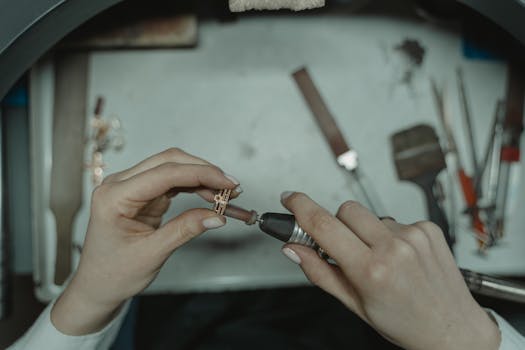
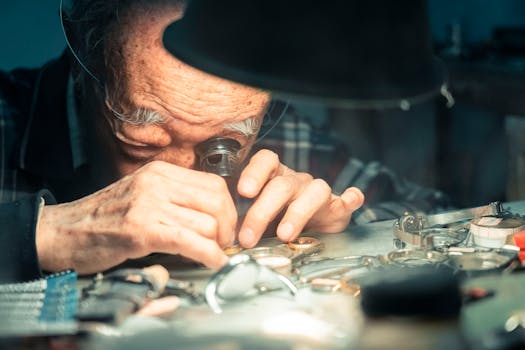
Imagine taking apart a tiny machine with hundreds of moving pieces, cleaning each one, fixing any problems, and then putting it all back together so it works perfectly again. That's what a watchmaker does! They are super skilled craftspeople who repair, restore, and maintain all sorts of watches, from everyday wristwatches to valuable antique pocket watches and even fancy luxury timepieces. It requires incredible patience, steady hands, and excellent eyesight, as you're often working with parts smaller than a grain of rice. You'd use special tools like magnifiers, tiny screwdrivers, and tweezers. A watchmaker needs to understand how gears, springs, and tiny levers all work together to tell the time. They might replace batteries, clean intricate movements, or even make new parts if an old one is broken. It's a bit like being a doctor for watches. They diagnose the problem, fix it, and make sure the watch keeps ticking accurately for years to come. Many watchmakers work in dedicated workshops, for jewellery stores, or even for big watch brands.

Watchmaker

Flag Media

Please select a reason for flagging this content.

📊 Statistics

Average Salary (UK)

A newly qualified watchmaker in the UK might start on around 18,000 to 22,000 pounds per year. Experienced watchmakers with specialist skills could earn between 25,000 and 40,000 pounds, and highly skilled specialists working with luxury brands might earn even more.

Job Outlook (UK)

While there are not thousands of watchmaker jobs, it is a niche and skilled profession. There is a steady demand for qualified watchmakers, especially as older professionals retire and the luxury watch market continues to thrive. Apprenticeships and specialist training are key routes into the role.

Training Duration

Becoming a fully qualified watchmaker often involves specialist training that can last from 2 to 4 years, such as an apprenticeship or a dedicated horology course. This training covers everything from basic repairs to complex restorations of antique timepieces.

🚀 Careers in this path

Flag Media

Please select a reason for flagging this content.

Clock Repairer

If you like fixing watches, you might also enjoy mending bigger clocks, like grandfather clocks or wall clocks. It involves taking them apart, cleaning tiny parts, and putting them back together so they tick again.

Flag Media

Please select a reason for flagging this content.

Jewellery Designer and Maker

Since you enjoy working with small, beautiful things in watchmaking, you could also design and make your own jewellery. This job involves being creative, drawing designs, and then making rings, necklaces, or bracelets using metals and gemstones.

Flag Media

Please select a reason for flagging this content.

Precision Engineer for Medical Devices

Watchmakers are very good at working with tiny, accurate parts. This skill is also needed to make and fix small, important medical equipment, like the tiny tools doctors use for operations or parts for pacemakers. It's a job where precision really matters.

Learning the Basics

Explore Your Interest

Start by exploring if you really enjoy working with small, intricate things and solving mechanical puzzles.

Try taking apart an old, broken clock (with adult supervision!) or a simple mechanical toy to see how it works. You could also watch videos online about watchmaking or visit a local watch repair shop to see what watchmakers do. This helps you understand if you have the patience and interest for this very detailed work.

Focus on Key School Subjects

Pay attention in subjects like Design & Technology, Maths, and Physics, as they build useful skills.

Design & Technology helps you understand how things are made and repaired. Maths is important for measurements and calculations, and Physics teaches you about mechanisms and how things move. Strong grades in these subjects will be beneficial for future education and training in watchmaking.

Develop Dexterity and Patience

Practice activities that require fine motor skills and a steady hand, like model making or drawing.

Watchmaking involves working with incredibly tiny parts, so having good hand-eye coordination and a steady hand is crucial. Activities like building intricate models, doing detailed drawings, or even playing certain musical instruments can help you develop these essential skills and the patience needed for precise work.

Specialised Training and Education

Research Watchmaking Schools

Look for colleges or academies in the UK that offer courses specifically in watchmaking or horology.

There are a few highly respected watchmaking schools in the UK, such as the British School of Watchmaking (Manchester) or the Birmingham City University's School of Jewellery (which has horology programmes). These schools offer specialised diplomas or degrees that teach you everything from basic repair to complex watchmaking techniques. They often have strong industry links, which can help with finding jobs after you graduate.

Consider an Apprenticeship

Explore apprenticeship opportunities with established watchmakers or luxury brands.

An apprenticeship allows you to learn on the job from experienced watchmakers while earning a salary. This hands-on experience is incredibly valuable. Many luxury watch brands or independent workshops offer apprenticeships where you'll learn traditional techniques and modern technologies. It's a fantastic way to gain practical skills and industry knowledge.

Gain Relevant Qualifications

Work towards achieving qualifications such as a Level 3 or 4 Diploma in Watchmaking or Horology.

These qualifications are recognised within the industry and show that you have a solid understanding of watchmaking principles and practices. They cover subjects like watch repair, restoration, manufacturing, and the history of horology. Achieving these qualifications will significantly boost your chances of getting a job as a professional watchmaker.

Starting Your Career

Apply for Entry-Level Positions

Look for jobs as a trainee watchmaker, junior watch technician, or assistant in a repair workshop.

Once you have your qualifications or have completed an apprenticeship, you can start applying for jobs. Many jewellery stores, independent watch repair shops, or larger watch service centres hire entry-level staff. Be prepared to show your portfolio of work or talk about your practical experience during interviews. These roles are essential for gaining real-world experience and further developing your skills.

Continue Learning and Specialising

The world of watches is always evolving, so keep learning new techniques and technologies.

Watchmaking is a craft that requires continuous learning. Attend workshops, masterclasses, and industry events. You might choose to specialise in repairing antique watches, working with specific luxury brands, or even making bespoke watches from scratch. Developing a speciality can open up new opportunities and make you a highly sought-after expert.

Build Your Network and Reputation

Connect with other watchmakers, enthusiasts, and potential clients in the industry.

Attend trade shows, join online forums, and become a member of professional horological societies like the British Horological Institute (BHI). Networking can lead to new job opportunities, collaborations, and a better understanding of industry trends. Building a strong reputation for quality work and reliability is key to a successful and long-lasting career as a watchmaker.

🎯 View Apprenticeships

Explore relevant apprenticeships that can help you kickstart your career in Watchmaker. Apprenticeships offer hands-on experience and training while earning a wage.

Career Progressions

This page showcases various career options and the pathways to reach them. Each career listed here shares transferable skills and knowledge, making it easier for individuals to transition between them.

Your current career is highlighted to help you see how it fits into the broader landscape of potential career choices. By clicking on any career, you can learn more about it, including the training and education required to pursue it.

Remember, progressing in your career often involves further learning and training. This page provides insights into future career options as well as those that can lead up to your current one.

These career progression decisions are informed by comparing the skills and knowledge needed for different occupations, along with data on how people move between them. Explore the possibilities and discover the exciting journey ahead in your career!

Sample Qualifications

A Watchmaker's primary role is to repair, clean, and maintain watches and other timekeeping devices, which directly aligns with the duties of a Watch or clock repairer.

How to become

You can get into this job through:

  • a university course
  • a college course
  • an apprenticeship
  • specialist courses run by training organisations

University

There is a small number of university courses in England, covering this subject, for example:

  • a degree in horology
  • a foundation degree in historic craft practices - clocks
  • a diploma in conservation studies - clocks

Entry requirements

You'll usually need:

  • at least 1 A level, or equivalent, for a foundation degree
  • 2 to 3 A levels, or equivalent, for a degree

More Information

College

You may be able to do a part-time course in clock or watch servicing, which could help you to get a trainee position with a watch and clock repair company.

Entry requirements

Entry requirements for these courses vary.

More Information

Apprenticeship

You could apply for a place on a Watchmaker Level 3 Advanced Apprenticeship.

This apprenticeship takes around 2 years to complete.

Entry requirements

To get onto an apprenticeship, you'll find it useful to have:

  • 5 GCSEs at grades 9 to 4 (A* to C), or equivalent, including English and maths, for an advanced apprenticeship

More Information

Other Routes

You could take training through the British Horological Institute. They offer short courses for beginners along with more advanced qualifications.

You can study for a professional qualification on the Watchmaker Training Programme at The British School of Watchmaking.

The Worshipful Company of Clockmakers also has details about full-time and part-time training courses.

More Information

Professional and industry bodies

You could join the British Horological Institute and The Worshipful Company of Clockmakers for training opportunities and professional development.

Further information

You can find out more about watch and clockmaking careers from the British Horological Institute.

Interested in More Career Paths?

Explore other careers or use our AI to discover personalised paths based on your interests.

Stay connected

Join our newsletter to stay up to date on features and releases

Address
Developing Experts Limited
Exchange Street Buildings
35-37 Exchange Street
Norwich
NR2 1DP
UK

Phone
01603 273515

Email
[email protected]

Copyright 2025 Developing Experts, All rights reserved.
