
You could take a course to get a qualification and some of the skills needed to be a cycle mechanic.
Courses include:
- cycle maintenance
- cycle mechanics
Entry requirements
Entry requirements for these courses vary.
A Bicycle Mechanic is a skilled professional responsible for the maintenance, repair, and assembly of bicycles. This career involves a deep understanding of various bicycle components, from brakes and gears to suspension systems and electronic shifting. Daily tasks can range from routine safety checks and minor adjustments to complex overhauls, wheel building, and custom bike assembly. You'll often diagnose problems, order parts, advise customers on repairs and upgrades, and ensure bikes are safe and performing optimally. It's a hands-on role requiring precision, problem-solving skills, and often good customer service as you'll be interacting directly with cyclists of all levels, from commuters to competitive riders. With the rise of e-bikes, mechanics are also increasingly needing to develop skills in electronics and diagnostic software. This role is typically found in dedicated bike shops, sports retailers, and sometimes within larger organisations that operate bike fleets for hire or delivery. Many mechanics also develop niche skills, such as mountain bike suspension servicing, road bike fitting, or custom frame building. The work environment is usually a workshop setting, which can be busy and fast-paced, particularly during peak cycling seasons. A passion for cycling and a meticulous approach to work are key attributes for success in this career.
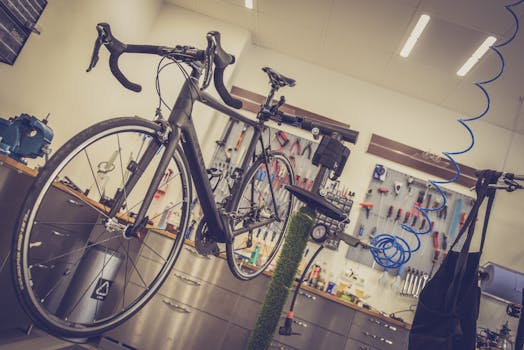
In the UK, a Bicycle Mechanic can expect to earn between 18,000 and 26,000 per year. Experienced or senior mechanics, especially those in specialist shops or managing workshops, might earn upwards of 28,000 to 32,000.
The cycling industry in the UK continues to grow, driven by environmental concerns, health trends, and government initiatives. While precise figures are hard to pinpoint, the demand for skilled mechanics remains steady, with job opportunities often advertised by independent bike shops, national retailers, and even mobile repair services.
Most Bicycle Mechanics work standard full-time hours, typically around 37-40 hours per week. However, seasonal peaks (e.g., spring and summer) may involve longer hours, including weekends, to meet customer demand.
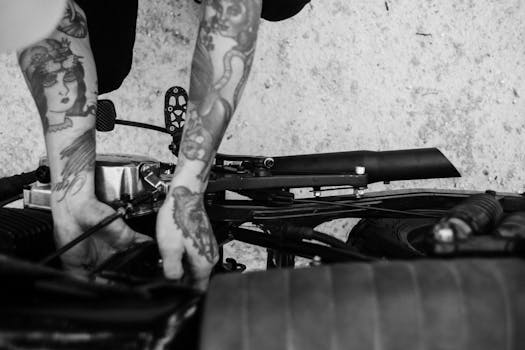
Specialises in assembling new bikes, performing routine maintenance, and repairing bicycles for customers within a bike shop or retail environment. Often involves customer interaction and sales of parts.

Operates a mobile service, travelling to customers' homes or workplaces to repair and maintain their bicycles on-site. Requires a strong independent work ethic, good organisational skills, and a driving licence.

Focuses on the diagnosis, repair, and maintenance of electric bicycles (e-bikes). This role requires additional knowledge of electrical systems, batteries, and motor components, combining traditional bike mechanics with electronics expertise.
Start by learning how to maintain and repair your own bicycle. This hands-on experience is invaluable for developing basic mechanical skills.
Begin with simple tasks like fixing a puncture, adjusting brakes, and lubricating your chain. There are many free online tutorials (e.g., YouTube, Park Tool guides) that can walk you through these processes. As you gain confidence, try more complex tasks like derailleur adjustments or wheel truing. Understanding how each component works on your own bike will build a strong foundation before working on others'.
Formal training can provide structured learning and introduce you to industry best practices and tools.
Look for local cycle shops or community colleges that offer beginner-level bike maintenance courses. These courses often cover safety checks, basic adjustments, and common repairs. Some organisations like Sustrans or local councils occasionally run workshops. These courses are excellent for solidifying your understanding and learning from experienced professionals in a controlled environment.
Familiarise yourself with the various parts of different types of bicycles and their functions.
Research the different components found on road bikes, mountain bikes, hybrid bikes, and electric bikes. Understand how gears, brakes (rim and disc), suspensions, and wheel systems differ across these types. Knowing the names and functions of parts like derailleurs, shifters, cassettes, bottom brackets, and headsets will be crucial for diagnosing problems and performing effective repairs. Utilise online resources, cycling magazines, and exploded diagrams for different bike models.
Offer your time at a local bike shop to observe experienced mechanics and assist with basic tasks.
Volunteering or shadowing is a fantastic way to get a foot in the door and learn the day-to-day operations of a professional workshop. You might start by cleaning bikes, organising tools, or helping with customer service. This allows you to watch skilled mechanics at work, ask questions, and become familiar with the tools and processes used in a commercial setting. It also helps you build relationships within the cycling community and potentially lead to paid opportunities.
Apply for formal apprenticeships or entry-level mechanic positions to receive structured training and paid work experience.
Many bike shops offer apprenticeships where you'll learn on the job under the guidance of senior mechanics. These roles often involve a mix of practical work, theoretical learning, and sometimes working towards a recognised qualification like a Cytech qualification. Entry-level positions, such as 'Junior Mechanic' or 'Workshop Assistant', are also excellent pathways to gain experience, hone your skills, and understand the commercial demands of the role. Check job boards and direct with local cycle retailers.
Obtain industry-recognised qualifications that demonstrate your competence and commitment to the profession.
Cytech is the internationally recognised training and accreditation scheme for bicycle technicians. Starting with Cytech Technical One, and progressing to Cytech Technical Two and Three, these certifications cover everything from basic workshop practices to advanced diagnostics and repair for all types of bicycles, including electric bikes. Many employers in the UK prioritise candidates with Cytech qualifications, as they assure a high standard of practical skill and theoretical knowledge.
Develop expertise in niche areas such as electric bikes, high-performance road bikes, or full-suspension mountain bikes.
As the cycling industry evolves, specialisation can make you a highly sought-after mechanic. Electric bikes (e-bikes) require knowledge of electrical systems, diagnostics software, and specific components. High-end road bikes often involve advanced carbon fibre repair and precise component tuning. Full-suspension mountain bikes demand expertise in complex suspension systems. Pursue manufacturer-specific training or advanced Cytech modules to deepen your knowledge in these areas.
Enhance your ability to interact with customers, diagnose issues effectively, and potentially manage a workshop.
Beyond technical skills, being able to clearly explain repairs to customers, provide accurate quotes, and offer advice on bike care is crucial. Good communication builds trust and customer loyalty. If you aspire to a supervisory or managerial role, developing skills in inventory management, scheduling, and team leadership will be essential. Some mechanics eventually open their own mobile repair service or cycle shop, which requires a strong understanding of small business operations.
Continuously learn about new technologies, components, and repair techniques in the rapidly evolving cycling world.
The cycling industry is constantly innovating with new gear systems, braking technologies, electronic shifting, and smart features. Attend industry trade shows, subscribe to professional cycling publications, follow manufacturer updates, and participate in online mechanic forums. Being proactive in your learning ensures you remain competent and competitive, able to service the latest models and provide expert advice to your customers. This continuous professional development is key to long-term success.
Similar to a bicycle mechanic but dealing with powered two-wheel vehicles, requiring knowledge of engines, electrical systems, and heavier components.
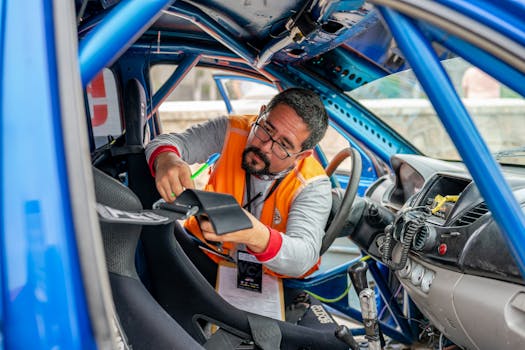
A broader role involving the repair and maintenance of various sports equipment, which could include skis, fitness machines, or other specialist gear.

While on a larger scale, the diagnostic, repair, and maintenance principles are transferable, often providing a pathway for mechanics interested in working on cars or light vehicles.
Explore relevant apprenticeships that can help you kickstart your career in Bicycle Mechanic. Apprenticeships offer hands-on experience and training while earning a wage.
This page showcases various career options and the pathways to reach them. Each career listed here shares transferable skills and knowledge, making it easier for individuals to transition between them.
Your current career is highlighted to help you see how it fits into the broader landscape of potential career choices. By clicking on any career, you can learn more about it, including the training and education required to pursue it.
Remember, progressing in your career often involves further learning and training. This page provides insights into future career options as well as those that can lead up to your current one.
These career progression decisions are informed by comparing the skills and knowledge needed for different occupations, along with data on how people move between them. Explore the possibilities and discover the exciting journey ahead in your career!
A Bicycle Mechanic's primary role is to repair and maintain bicycles. 'Cycle mechanic' is the direct and most appropriate title for this specialisation, focusing on human-powered cycles rather than motor vehicles or heavy machinery.
You can get into this job through:
You could take a course to get a qualification and some of the skills needed to be a cycle mechanic.
Courses include:
Entry requirements for these courses vary.
You could apply for a place on a Bicycle Mechanic Level 2 Intermediate Apprenticeship.
This can take between 1 and 2 years to complete.
You'll usually need:
You could start as a retail assistant in a bike shop or bike hire outlet. You could then apply for a job as a trainee mechanic if they have a repair workshop.
You'll need good customer service skills, a keen interest in cycling and some knowledge of cycle repairs.
You could study for technical cycle maintenance qualifications offered by an industry body like Cytech.
Explore other careers or use our AI to discover personalised paths based on your interests.
Address
Developing Experts Limited
Exchange Street Buildings
35-37 Exchange Street
Norwich
NR2 1DP
UK
Phone
01603 273515
Email
[email protected]
Copyright 2026 Developing Experts, All rights reserved.

Unlock expert-designed lessons, resources, and assessments tailored for educators. No credit card required.
Claim Your Free Trial →We use cookies to enhance your browsing experience and analyze our traffic. Learn more.
