
You could take a course to get a qualification and some of the skills needed to be a cycle mechanic.
Courses include:
- cycle maintenance
- cycle mechanics
Entry requirements
Entry requirements for these courses vary.
Being a Bicycle Mechanic is a hands-on job where you get to work with bicycles all day! Your main role is to keep bikes in tip-top condition, making sure they are safe and fun to ride. This involves fixing all sorts of problems, from a flat tyre or squeaky brakes to more complex issues with gears or suspension. You'll learn how to take bikes apart and put them back together, using special tools to adjust, repair, and replace parts. It's a really rewarding career if you love cycling and enjoy problem-solving. You'll spend your time diagnosing what's wrong with a bike, explaining the repairs to customers, and giving advice on how to look after their bikes. You might work in a busy bike shop, a dedicated repair workshop, or even for a cycling club. It's a job that requires patience, attention to detail, and a good understanding of how bikes work. You also need to be good at talking to people and helping them understand what their bike needs.
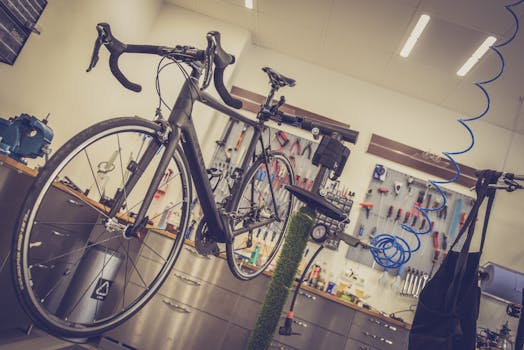
A new Bicycle Mechanic in the UK can expect to earn around 18,000 to 20,000 pounds per year, especially when starting out in a workshop or bike shop.
With more experience and specialist skills, a Bicycle Mechanic could earn between 22,000 and 28,000 pounds annually. Senior or head mechanics might earn even more.
The number of Bicycle Mechanic positions can vary across the UK, but with cycling becoming more popular, there is a steady demand. Many roles are found in independent bike shops, chain stores, and sometimes in larger sports retailers. There isnt one fixed number, but new jobs appear regularly, especially in urban areas.
Help out in a bike shop! You could learn how to check bikes, organise parts, talk to customers about different bikes, and help them find the right accessories. It's a great way to learn about the business side and see how repairs are done.
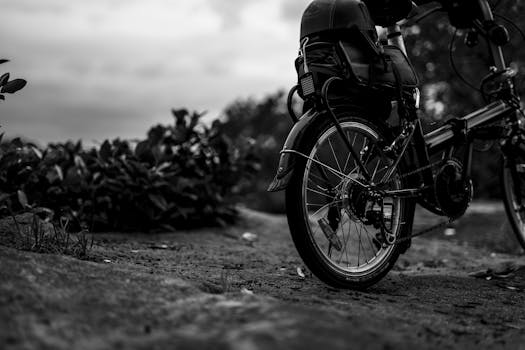
Learn the amazing skill of building custom bicycle frames from scratch! You'll discover how to design, cut, weld, and assemble metal tubing to create unique bikes tailored to different riders. It's like being an engineer and an artist at the same time.
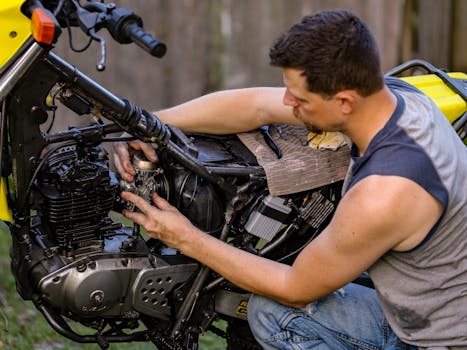
Instead of working in a shop, you could travel around in a special van, fixing bikes for people at their homes, schools, or workplaces. You'd be your own boss, helping people get back on their bikes quickly and conveniently.
Start by understanding how your own bicycle works. Look at all the different parts and try to figure out what they do.
Take off your front wheel, put it back on. Watch how the chain moves when you pedal. Try to identify the brakes, gears, and how they connect to the levers on your handlebars. The more you explore your own bike, the more comfortable you'll become with its different components and how they function together.
There are lots of great videos and guides online that show you how to do simple bike repairs and maintenance.
Look up videos on YouTube for 'how to fix a puncture' or 'how to adjust bike brakes'. Websites like Park Tool and GCN Tech offer fantastic, easy-to-follow tutorials for beginners. Watching professionals do it first can give you a lot of confidence before you try it yourself.
Start with easy fixes like patching a flat tyre, lubricating the chain, or checking tyre pressure.
Ask a parent or guardian if you can practice on their bike or an old bike you might have. Fixing a flat tyre is a classic starting point for any budding mechanic. Learning to clean and oil a chain correctly can also make a big difference to how a bike rides and is a simple but important skill.
Offer your help at a local community bike workshop or charity. You'll learn loads from experienced mechanics.
Many towns have bicycle 'hubs' or charities that refurbish old bikes. Volunteering there is an amazing way to gain hands-on experience with different types of bikes and problems. You'll work alongside experienced mechanics who can teach you the tricks of the trade and patiently explain complex repairs.
Get a good bike repair book. They have detailed instructions and diagrams for almost every repair.
The 'Big Blue Book of Bicycle Repair' by Park Tool is a popular choice, as are Haynes manuals for bikes. These books cover everything from basic maintenance to advanced component replacement. They're excellent resources for understanding the proper tools, torque settings, and procedures for a wide range of repairs.
Some colleges or independent shops offer short courses in bike maintenance and repair. These can give you a proper qualification.
Look for Level 1 or Level 2 'Cytech' courses. Cytech is the industry standard for bicycle mechanics in the UK. These courses cover practical skills and theoretical knowledge, from gear tuning to wheel building. Completing one shows potential employers you're serious and competent.
Many bike shops offer apprenticeships where you can learn on the job and get paid at the same time.
An apprenticeship is a fantastic way to learn from experienced mechanics while gaining real-world experience and earning a salary. You'll work in a professional bike shop environment, learning how to deal with customers, manage workshop tasks, and perform repairs on a wide variety of bikes. Look for opportunities on government apprenticeship websites or directly with local bike shops.
Once you have some experience, you can apply for entry-level mechanic jobs in bike shops.
Start by looking for 'junior bike mechanic' or 'workshop assistant' roles. In this position, you'll likely start with more straightforward tasks and gradually take on more complex repairs as your skills grow. Being reliable, keen to learn, and having good customer service skills are all important for these roles.
As you get more experience, you might choose to focus on a particular type of bike, like electric bikes or racing bikes.
The world of cycling is diverse! You could become an expert in mountain bikes, road bikes, electric bikes (e-bikes), or even custom bike builds. Each area requires specific knowledge and tools. Specialising can make you a highly sought-after mechanic in a niche market, leading to more interesting work and potentially higher earnings.
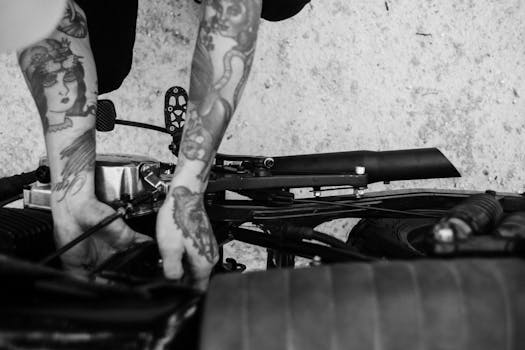
Similar to a Bicycle Mechanic, but working on motorbikes instead of pushbikes. It involves repairing engines, brakes, and other systems specific to motorbikes.
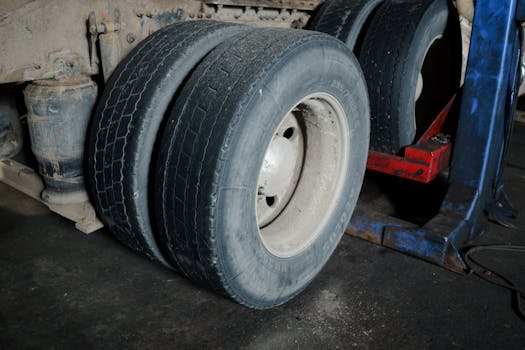
A Car Mechanic fixes and maintains cars. This is a much bigger and often more complex vehicle, but the basic idea of diagnosing problems and making repairs is the same.
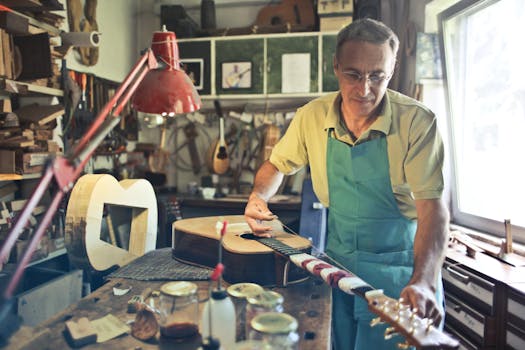
This role involves repairing and maintaining a wider range of sports equipment, which could include anything from ski equipment to gym machines, not just bikes.
Explore relevant apprenticeships that can help you kickstart your career in Bicycle Mechanic. Apprenticeships offer hands-on experience and training while earning a wage.
This page showcases various career options and the pathways to reach them. Each career listed here shares transferable skills and knowledge, making it easier for individuals to transition between them.
Your current career is highlighted to help you see how it fits into the broader landscape of potential career choices. By clicking on any career, you can learn more about it, including the training and education required to pursue it.
Remember, progressing in your career often involves further learning and training. This page provides insights into future career options as well as those that can lead up to your current one.
These career progression decisions are informed by comparing the skills and knowledge needed for different occupations, along with data on how people move between them. Explore the possibilities and discover the exciting journey ahead in your career!
A Bicycle Mechanic's primary role involves the repair, maintenance, and assembly of bicycles. This directly corresponds to the duties of a Cycle Mechanic, which specifically refers to someone working with bicycles, as opposed to motorcycles or other vehicles.
You can get into this job through:
You could take a course to get a qualification and some of the skills needed to be a cycle mechanic.
Courses include:
Entry requirements for these courses vary.
You could apply for a place on a Bicycle Mechanic Level 2 Intermediate Apprenticeship.
This can take between 1 and 2 years to complete.
You'll usually need:
You could start as a retail assistant in a bike shop or bike hire outlet. You could then apply for a job as a trainee mechanic if they have a repair workshop.
You'll need good customer service skills, a keen interest in cycling and some knowledge of cycle repairs.
You could study for technical cycle maintenance qualifications offered by an industry body like Cytech.
Explore other careers or use our AI to discover personalised paths based on your interests.
Address
Developing Experts Limited
Exchange Street Buildings
35-37 Exchange Street
Norwich
NR2 1DP
UK
Phone
01603 273515
Email
[email protected]
Copyright 2026 Developing Experts, All rights reserved.

Unlock expert-designed lessons, resources, and assessments tailored for educators. No credit card required.
Claim Your Free Trial →We use cookies to enhance your browsing experience and analyze our traffic. Learn more.
