
You could take a course to get a qualification and some of the skills needed to be a cycle mechanic.
Courses include:
- cycle maintenance
- cycle mechanics
Entry requirements
Entry requirements for these courses vary.
Imagine a superhero who helps bicycles feel better when they are sick or broken. That's what a bicycle mechanic does! They are super important because they fix bikes so people can ride them safely and have fun. A bicycle mechanic knows all about bikes, from tiny tricycles to big racing bikes. They can fix flat tyres, make sure the brakes work perfectly, and adjust the gears so riding is smooth and easy. They use special tools like spanners, screwdrivers, and pumps to take bikes apart and put them back together again, making sure every part is in the right place and working well. Being a bicycle mechanic is a brilliant job for someone who loves bikes and enjoys figuring out how things work. You get to help people keep their favourite way to travel healthy and happy. Sometimes you might even build new bikes from scratch, which is like being a bicycle inventor! You need to be good at looking closely at things, using your hands to fix fiddly bits, and chatting with people to understand what's wrong with their bike. It's a job that helps people stay active and enjoy the outdoors.
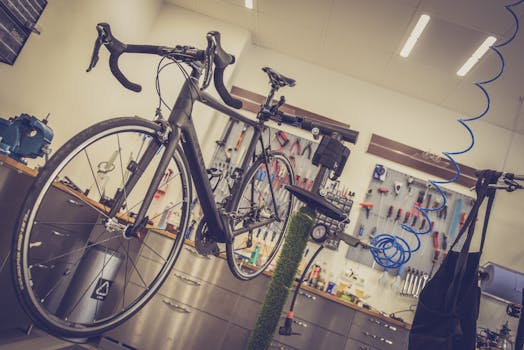
A new bicycle mechanic in the UK might earn around 18,000 to 22,000 pounds a year.
With more experience, a bicycle mechanic can earn between 25,000 and 30,000 pounds or more each year, especially if they manage a shop.
There are over 2,000 bicycle shops and repair businesses across the UK, meaning there are lots of places where bicycle mechanics work.
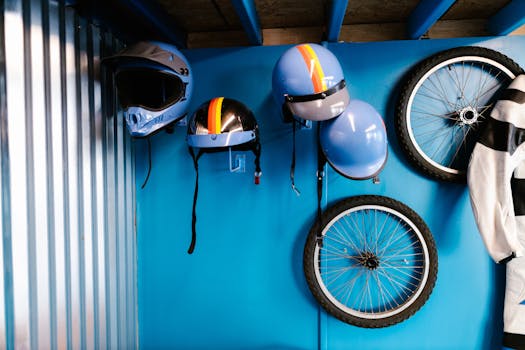
Imagine a super cool workshop where you get to put together brand new bikes from scratch, choosing all the colours and parts. You make sure they are perfect and safe for someone to ride for the very first time.

Do you love making things colourful and fun? You could invent and draw new things for bikes like bright lights, comfy seats, amazing bells, or baskets that look like animals. You make bikes extra special and useful!

You could help very young children learn how to ride a bike without pedals, using special balance bikes. You teach them how to glide and steer, so they feel confident and have lots of fun before they move onto a bigger bike.
The best way to learn about bikes is to ride them! Pay attention to how your bike feels and sounds.
When you ride your bike, you'll start to notice how it works. Does it go fast when you pedal hard? Do the brakes slow you down quickly? What happens when you change gears? The more you ride, the more you'll understand what makes a bike tick. This helps you figure out what might be wrong if it ever stops working right.
Talk to adults who ride bikes or work with them. They can share cool facts and tips.
Your parents, older siblings, or even teachers might know a lot about bikes. Ask them about how they keep their bikes in good shape or if they've ever had to fix something on their bike. You could also visit a local bike shop and ask the people working there about their jobs. They love to talk about bikes!
Find books or videos online that show you how bikes work and how to fix simple things.
There are lots of fun books for kids about bikes and how they're made. You can also find videos on websites like YouTube that show you how to do easy bike fixes, like pumping up a tyre or putting the chain back on. Always ask a grown-up to help you find safe videos and to supervise if you try to fix anything yourself.
With a grown-up's help, try to do small repairs or cleaning on your own bike.
Start with simple tasks like cleaning your bike after a muddy ride. Then, with an adult, you could try pumping your tyres, tightening a loose bolt, or even putting the chain back on if it comes off. These small jobs will help you get used to handling tools and understanding the different parts of a bike. Always make sure an adult is there to guide you and keep you safe.
Ask a grown-up to take you to a local bike shop to see what bicycle mechanics do.
Visiting a real bike shop is a great way to see mechanics in action. You'll see all sorts of bikes being fixed, from tiny kids' bikes to big racing bikes. You might see them changing tyres, adjusting brakes, or even building a new bike from scratch. If you're lucky, the mechanics might even show you some of their tools and tell you about what they're doing.
Some clubs teach you how to look after your bike and do basic fixes.
Many towns have cycling clubs for kids where you can learn more about bikes. Sometimes, these clubs even have special sessions where they teach you how to clean your bike, check your brakes, and do other simple maintenance. It's a great way to meet other kids who love bikes and learn from experienced cyclists.
As you get older, you can take special courses to become a professional bike mechanic.
When you're older, there are colleges and special training centres that offer courses just for becoming a bicycle mechanic. These courses teach you everything from how to fix complicated gears to how to build custom bikes. You'll learn about all the different types of bikes and how to use special tools safely and correctly.
When you're a teenager, you might be able to get a part-time job or do work experience at a bike shop.
Getting a job or doing work experience in a bike shop is a brilliant way to learn even more. You'll work alongside experienced mechanics, help customers, and get lots of practice fixing bikes. You'll also learn about the different parts they sell and how to keep the shop tidy and organised. This experience is really valuable for your future career.
Bikes are always changing, so keep learning about new types and technologies.
Just like cars, bikes are always getting new features and designs. There are electric bikes, mountain bikes, road bikes, and more! A good bicycle mechanic always stays curious and learns about the latest models and how to fix them. You might read bike magazines, go to bike shows, or even learn how to fix fancy racing bikes.
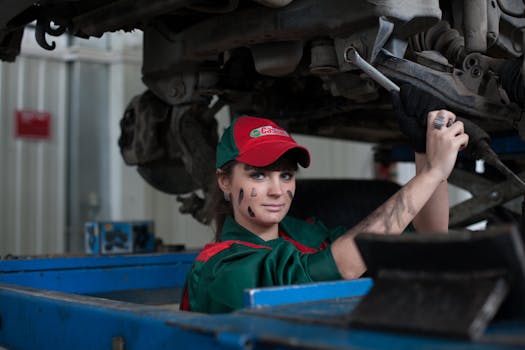
Just like a bicycle mechanic fixes bikes, a car mechanic fixes cars to make sure they are safe and run well for drivers.
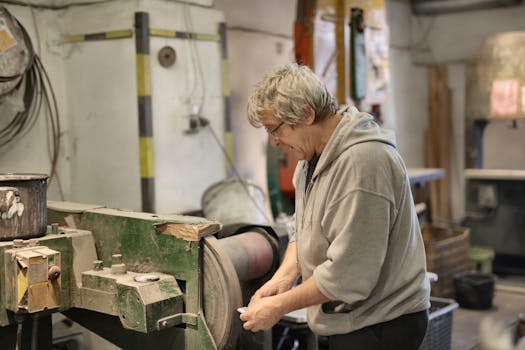
This person fixes other types of sports equipment, like skateboards, scooters, or even tennis rackets, making sure they are ready for action.
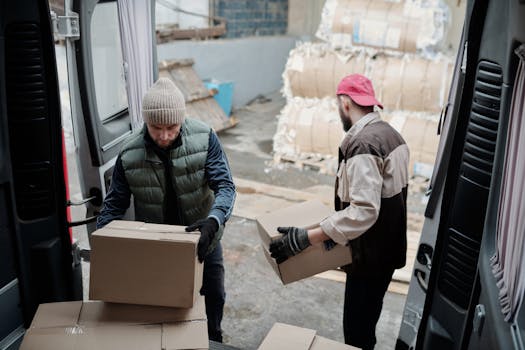
Many delivery drivers use bikes to deliver parcels or food, so they need their bikes to be in top condition, sometimes even doing small repairs themselves.
Explore relevant apprenticeships that can help you kickstart your career in Bicycle Mechanic. Apprenticeships offer hands-on experience and training while earning a wage.
A Bicycle Mechanic's primary role is to repair and maintain bicycles, which directly aligns with the duties of a Cycle Mechanic.
You can get into this job through:
You could take a course to get a qualification and some of the skills needed to be a cycle mechanic.
Courses include:
Entry requirements for these courses vary.
You could apply for a place on a Bicycle Mechanic Level 2 Intermediate Apprenticeship.
This can take between 1 and 2 years to complete.
You'll usually need:
You could start as a retail assistant in a bike shop or bike hire outlet. You could then apply for a job as a trainee mechanic if they have a repair workshop.
You'll need good customer service skills, a keen interest in cycling and some knowledge of cycle repairs.
You could study for technical cycle maintenance qualifications offered by an industry body like Cytech.
Explore other careers or use our AI to discover personalised paths based on your interests.
Address
Developing Experts Limited
Exchange Street Buildings
35-37 Exchange Street
Norwich
NR2 1DP
UK
Phone
01603 273515
Email
[email protected]
Copyright 2026 Developing Experts, All rights reserved.

Unlock expert-designed lessons, resources, and assessments tailored for educators. No credit card required.
Claim Your Free Trial →We use cookies to enhance your browsing experience and analyze our traffic. Learn more.
