

Creating Career Path...

Finding Further Careers...

Vet

View this career for different education levels:

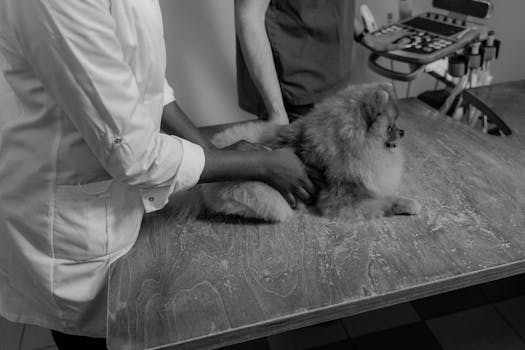
A vet is a veterinary physician who diagnoses and treats illnesses and injuries in animals, communicates with pet owners, performs surgeries, prescribes medicines and provides preventive care. Vets may specialise in areas such as small animals, farm animals, exotics or surgery. The role combines medical science with practical animal handling and client communication, and it often involves on-call work and varied day-to-day cases.

Vet

Flag Media

Please select a reason for flagging this content.

📊 Statistics

Salary range

Typical UK salary for a newly qualified vet is around 30,000 to 40,000 pounds per year; experienced small animal vets can earn 40,000 to 70,000 pounds, and practice managers or specialists may exceed 70,000 pounds.

Demand and jobs

There are thousands of veterinary roles across the UK, including small animal practices, farm animal clinics and equine hospitals; the demand remains steady with good career prospects and opportunities for specialisation.

Education pathway

Becoming a vet requires a five year veterinary degree (BVetMed or BVMS) from a recognised UK university, plus registration with the Royal College of Veterinary Surgeons (RCVS) to practise.

🚀 Careers in this path

Flag Media

Please select a reason for flagging this content.

Veterinary Nurse

Support role in clinics assisting vets with animal care, animal handling and administering treatments

Flag Media

Please select a reason for flagging this content.

Small Animal Vet Practitioner

Qualified veterinary surgeon focusing on companion animals such as dogs and cats, with clinical and surgical duties

Flag Media

Please select a reason for flagging this content.

Animal Behaviourist

specialise in training and managing animal behaviour, often working with owners to resolve issues

Education and Foundations

Choose Science A Levels or equivalent

Identify science and maths subjects that will prepare you for veterinary studies.

Aim for strong grades in biology and chemistry, with maths or physics as a supporting subject. Seek guidance from teachers and consider enrichment activities such as science clubs or voluntary work with animals to build relevant experience.

Gain relevant experience with animals

Develop practical exposure to animal care to strengthen your understanding of veterinary work.

Volunteer at local vets, stables, sanctuaries or farms. Observe consultations, basic husbandry and welfare checks. Document experiences to discuss in future applications.

Explore veterinary degree routes

Understand degree requirements and entry routes into veterinary school.

UK veterinary schools typically require strong science A levels and relevant work experience. Consider gap year options or foundation programmes if needed. Research entry criteria for universities you are interested in.

Academic Veterinary Training

Complete an accredited Vet Medicine degree

Study a five to six year veterinary degree accredited by the Royal College of Veterinary Surgeons (RCVS).

The programme covers anatomy, physiology, pharmacology, clinical medicine, surgery and animal welfare. You will undertake placements and clinical rotations to gain hands on experience.

Gain practical clinical placements

maximise hands on learning during your degree placements.

Seek diverse placements including small animal, large animal, exotic or wildlife to broaden your skills. Keep a reflective log of cases and learning points to discuss with mentors.

Pass the statutory professional exams

Qualify as a registered veterinary surgeon.

After graduation you will register with the General Dental and Veterinary Council in some regions, complete any mandatory assessments and start your professional career.

Early Career and Specialisation

Secure a first veterinary role

Apply for your first position in a practice or hospital.

Develop a broad skill set through case management, client communication and team collaboration. Seek feedback from senior vets and pursue additional training in areas of interest.

Pursue career development and specialisation

Consider advanced training or fellowships to specialise.

Specialisations can include surgery, internal medicine, dermatology, ophthalmology or wildlife. Engage in continuing professional development and obtain relevant certificates.

Maintain professional registration and ethics

Keep your knowledge up to date and adhere to professional standards.

Attend CPD events, participate in journal clubs and stay informed about animal welfare, safety and licensing requirements. Build a strong professional reputation through excellent clinical care.

🎬 Useful Videos

🎯 View Apprenticeships

Explore relevant apprenticeships that can help you kickstart your career in Vet. Apprenticeships offer hands-on experience and training while earning a wage.

Career Progressions

This page showcases various career options and the pathways to reach them. Each career listed here shares transferable skills and knowledge, making it easier for individuals to transition between them.

Your current career is highlighted to help you see how it fits into the broader landscape of potential career choices. By clicking on any career, you can learn more about it, including the training and education required to pursue it.

Remember, progressing in your career often involves further learning and training. This page provides insights into future career options as well as those that can lead up to your current one.

These career progression decisions are informed by comparing the skills and knowledge needed for different occupations, along with data on how people move between them. Explore the possibilities and discover the exciting journey ahead in your career!

Sample Qualifications

How to become

You can get into this job through a university course.

University

You'll need to complete a veterinary degree approved by the Royal College of Veterinary Surgeons (RCVS).

Entry to courses is highly competitive. For this reason the selection process is very thorough. You can expect to be interviewed and to take screening tests at most universities. 

You'll need to show:

  • you are able to meet the academic requirements of the course
  • you understand what the role involves
  • you are highly motivated
  • you have done some relevant work experience

Many universities offer a foundation year, which prepares you for the veterinary degree course.

You can find out more about studying veterinary science from UCAS.

Full-time veterinary degrees usually take 5 to 6 years.

If you already have a degree in a related subject, for example, biomedical sciences, you may be able to take a 4-year graduate entry veterinary degree course.

You can also apply to join the Army Medical Service while completing your degree at university. On selection, you would receive further training to become a veterinary officer in the army.

Entry requirements

You'll usually need:

  • 5 GCSEs at grades 9 to 4 (A* to C), or equivalent, including English, maths and science
  • 3 A levels, or equivalent, including biology and chemistry

More Information

Volunteering

You'll need to get experience of working with animals, which will help when applying for courses.

You can contact:

  • veterinary practices
  • local animal welfare centres
  • animal charities, like the PDSA or RSPCA
  • local dairy and livestock farms
  • riding stables

More Information

Registration

Career tips

You can explore veterinary science through virtual work experience with Futurelearn.

Professional and industry bodies

You could join the British Veterinary Association and British Small Animals Veterinary Association for professional development and networking opportunities.

You could also join the British Equine Veterinary Association if you work with horses.

Further information

You can find out more about becoming a vet from the Royal College of Veterinary Surgeons and British Veterinary Association.

Interested in More Career Paths?

Explore other careers or use our AI to discover personalised paths based on your interests.

Stay connected

Join our newsletter to stay up to date on features and releases

Address
Developing Experts Limited
Exchange Street Buildings
35-37 Exchange Street
Norwich
NR2 1DP
UK

Phone
01603 273515

Email
[email protected]

Copyright 2025 Developing Experts, All rights reserved.
