Glassblowing is a skilled craft that shapes molten glass into objects such as vases, art pieces, lighting, and functional ware. In the UK, glassblowers work in studios, workshops or galleries, using traditional and modern techniques. Training combines formal courses in glass, practical apprenticeships and practice under experienced glassblowers. Careers can involve creating bespoke items, teaching, running a studio, or working for glass manufacturers and studios. Safety is essential due to high temperatures and hazardous materials, and precision and creativity are valued in this craft.
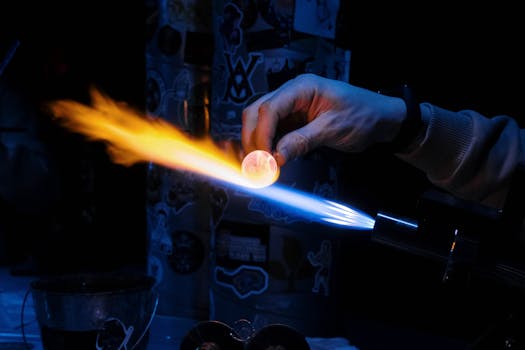
Typical annual earnings for glassblowers in the UK can range from around 18,000 to 28,000 for early career roles, with skilled or specialist glassblowers earning 30,000 to 40,000 or more in boutique studios or as freelancers.
The occupation falls under the broader category of craft and related trades; exact headcount varies by studio and region, with higher concentrations in areas known for art and design. UK job boards show steady but niche demand, often tied to studios, galleries, and educational settings.
Glassblowing is labour intensive and often project based. Roles may involve irregular or long hours in studio environments, with potential for seasonal work around exhibitions or markets.
Create and sell unique glass pieces such as bowls, vases and sculptures, work in a shared studio space and develop your own portfolio and exhibition opportunities.

Assist master glassblowers in making functional glassware on a small scale, maintain equipment and follow quality control while learning the craft.

Teach beginners and school groups glassblowing basics in workshops, develop lesson plans and run demonstrations to promote craft awareness.
Develop an understanding of glass types, safety, and basic tools.
Study glass properties, safety procedures, and typical workshop equipment. Consider introductory courses or community classes to gain hands-on experience with a small furnace, gather tools, and learn to handle hot glass safely. Build a simple project such as a basic paperweight to practise gathering, shaping, and annealing processes.
Seek guidance from an experienced glassblower and practise under supervision.
Look for local glass studios, art colleges, or maker spaces offering apprenticeship or associate programmes. Observing and assisting skilled glassblowers will accelerate skill development and provide real world workflow familiarity, including studio etiquette, documentation, and safety culture.
practise gathering, marvering, blowing and shaping with accuracy.
Regular practice improves control over heat, thickness, and symmetry. Track progress through small projects and seek feedback from mentors. Begin a small portfolio of items such as vases or bowls to demonstrate consistency and craftsmanship.
Develop several finished pieces that showcase technique and style.
Experiment with different colours, shapes and surface finishes. Document each piece with high quality photos and notes on materials, cooling schedules and any required finishing work. Build a small portfolio or online gallery to show potential employers or collectors.
Gain experience in mould work, casting, or lampworking as appropriate.
Depending on interest, explore related techniques such as mould making, enamel decoration, or frit application. Attend short courses to learn specific processes and safety considerations for each technique. This broadens your capability and opens up more project opportunities.
Showcase work to audiences and potential buyers.
Apply to local galleries, art fairs, or community exhibitions. Prepare labels, artist statements, and a small artist bio. Networking at these events can lead to commissions, collaborations, or studio space opportunities.
Choose a focus such as functional ware, sculpture, or industrial components.
A niche helps target commissions and marketing. Research market demand, potential clients, and pricing. Consider whether you want to work in a studio, run a small business, or collaborate with designers and makers.
Establish studio space, equipment, and safety compliance.
Plan your workspace, allocate space for hot work, cooling, and finishing. Ensure you have appropriate ventilation, fire safety measures, and insurance. Create a pricing structure, client contracts, and a workflow for intake, production, and delivery.
Promote work and build client relationships.
Develop a brand, maintain an up to date online portfolio, and engage with artists, galleries, and interior designers. Consider collaborations with architects for custom installations. Attend professional events to build relationships and secure commissions.
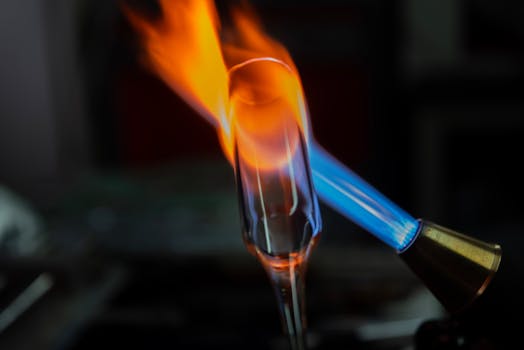
A broader term for professionals who create glass products, often in factories or studios, focusing on production runs or studio pieces. May involve similar technical skills with glass melting, forming, and finishing.

Designers who integrate glass components into lighting fixtures. Combines artistry with practical electrical and design considerations, often working with glassblowers for bespoke pieces.
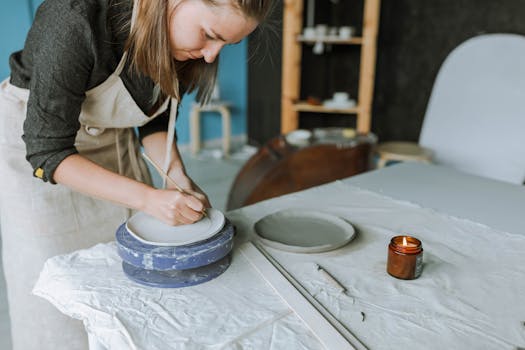
A craftsperson who works with clay to make pottery and sculptural works. Shares studio life, craft processes, and reliance on handmade skills and commissions.
Explore relevant apprenticeships that can help you kickstart your career in Glassblower. Apprenticeships offer hands-on experience and training while earning a wage.
Explore other careers or use our AI to discover personalised paths based on your interests.
Address
Developing Experts Limited
Exchange Street Buildings
35-37 Exchange Street
Norwich
NR2 1DP
UK
Phone
01603 273515
Email
[email protected]
Copyright 2026 Developing Experts, All rights reserved.

Unlock expert-designed lessons, resources, and assessments tailored for educators. No credit card required.
Claim Your Free Trial →We use cookies to enhance your browsing experience and analyze our traffic. Learn more.

