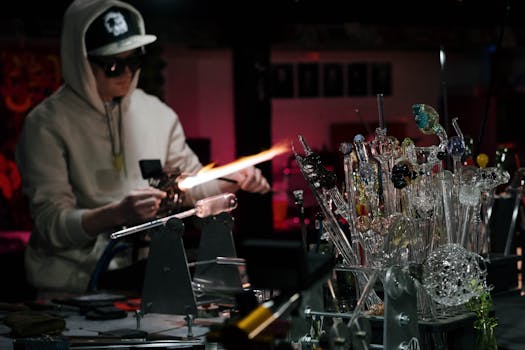
A glassblower is an artist and maker who shapes hot, liquid glass into objects. They work in studios or workshops with furnaces, specialised tools, and safety gear. The work is creating things that are both useful and beautiful, often starting from a hot chunk of glass called a gob. It requires patience, good hand eye coordination and attention to safety because the glass can burn and break easily. Training usually starts with an apprenticeship or at a craft school, moving from simple pieces to more complex art objects.
Glassblowers in the UK often earn between 18 000 and 28 000 pounds a year as apprentices or assistants, and experienced glassblowers can earn around 28 000 to 40 000 pounds a year depending on workshop size and commissions.
The number of traditional glassmaking roles in the UK is smaller than many other trades, with hundreds of roles across studios, galleries and universities. There are usually a few dozen full time glassblowing positions in museums and larger studios.
Glassblowers make items such as bowls, vases and art pieces by shaping molten glass in hot furnaces and using hand tools and blowing techniques.

Learn the basic steps of shaping glass in a safe workshop and help with simple glass pieces under supervision

Help an artist in a glass studio with gathering tools, cleaning, and organizing while watching how glass art is made
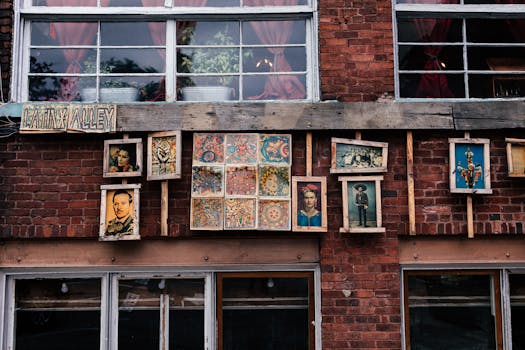
Assist with setting up glass exhibits, cleaning display cases, and helping visitors learn about glass objects
Find out what glassblowing involves and look at different styles.
Visit local studios or museums. Watch simple videos to see basic techniques. Ask questions about the tools and safety gear used in a glass studio.
Understand why safety gear is important and how to stay safe near hot glass.
Learn about protective gloves, eye protection, and the rules for handling hot materials. Talk to a teacher or mentor about staying safe in a workshop.
Practice with safe, small projects or demonstrations.
If possible, join a beginner workshop or school club to try blowing air into glass with supervision. Keep notes on what you liked and what was tricky.
recognise and understand common glassblowing tools and their uses.
Study the purpose of a blowpipe, punty rod, shears, and pontil. Learn how each tool helps shape and cut glass. Practice with non-molten glass to become familiar with handling.
Sign up for a beginner glassblowing course or workshop.
Look for local craft centres, evening classes, or schools offering glass classes. A tutor can guide you step by step and provide safety supervision.
Try making simple forms like a bead or a small cup when safe to handle hot glass.
Begin with small, safe projects under supervision. Record your progress, note what shapes are easier, and what needs more control.
Create a few unique pieces to show your style.
Plan each piece, think about colours and shapes you enjoy. Work with a mentor to refine techniques and finish details.
Display your pieces at school fairs or local galleries.
Prepare explanations of how the pieces were made. Seek feedback from visitors and teachers to improve.
Think about advanced techniques you would like to learn.
Consider what kind of glass objects you want to specialise in and if you would like to pursue a formal apprenticeship or college course later.
A craftsperson who designs and makes stained glass panels for windows and art pieces, often combining drawing, painting and glass cutting skills.

A technician who helps in glass factories or studios, preparing glass, operating furnaces, and finishing pieces under supervision.
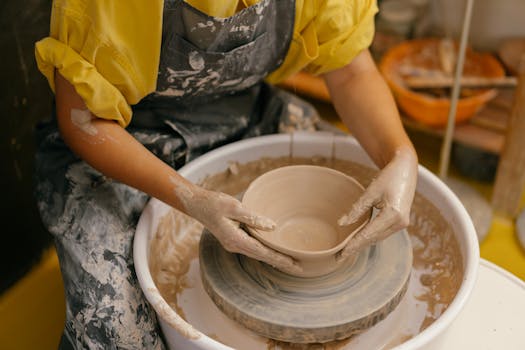
An artist who shapes clay and glazes to make pottery and art pieces, sharing techniques of forming, firing and finishing work.
Explore relevant apprenticeships that can help you kickstart your career in Glassblower. Apprenticeships offer hands-on experience and training while earning a wage.
Explore other careers or use our AI to discover personalised paths based on your interests.
Address
Developing Experts Limited
Exchange Street Buildings
35-37 Exchange Street
Norwich
NR2 1DP
UK
Phone
01603 273515
Email
[email protected]
Copyright 2026 Developing Experts, All rights reserved.

Unlock expert-designed lessons, resources, and assessments tailored for educators. No credit card required.
Claim Your Free Trial →We use cookies to enhance your browsing experience and analyze our traffic. Learn more.

