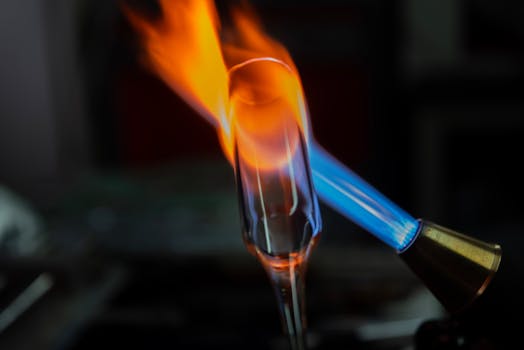
Glassblowers shape molten glass using tools and a blowpipe to create objects such as vases, bowls, art pieces, and lighting. The work requires careful attention to temperature, safety, and design. Workers may specialise in studio art, industrial glassmaking, or restoration of glass items. In the UK, glassblowing can be done in small workshop studios or larger production facilities, often combining creativity with technical skill. Training involves learning techniques like gathering, marvering, and blowing, as well as health and safety for hot materials.
Typically between 18000 and 32000 pounds per year for skilled glassblowers, with higher earnings for specialists and those running workshops.
UK employment in glassmaking and glass product manufacture is small but concentrated in studios and factories, with a few hundred workers nationally and many more in related crafts.
Many glassblowers start with an apprenticeship or a college course in glass, sculpture, or craft, followed by practice in a studio or workplace.

Work with a glassmaker to help with basic tasks in a studio such as gathering glass, cleaning equipment and preparing materials under supervision

Assist in conserving and displaying glass artefacts in a museum, learning care and handling techniques and basic restoration under guidance

Learn the craft of glass blowing in a studio setting from experienced makers, practising safe techniques and developing basic skills
Learn what glassblowing is and the different kinds of glass objects you can make.
Watch videos about basic glass blowing techniques and visit local glass studios or museums to see examples. This stage helps you decide if you enjoy the basics of shaping hot glass and working with art.
Build drawing and design ideas that can translate to glass forms.
Practice sketching simple forms and learn about colour, pattern and proportion. These skills help you plan pieces before heating glass.
Learn safety rules for handling hot materials and studio tools.
Understand protective gear, risk assessment, and safe workshop habits. Safety is essential in every glass studio due to high temperatures and sharp edges.
Take beginner glassblowing courses or join a youth programme to learn hands on skills.
Look for local art colleges, community studios, or evening courses. Focus on basic gathering, marvering, and blowing techniques under supervision.
Develop regular practice to improve control and steady hands.
Practice with cold working tasks such as shaping with clamps, sandpaper, and basic finishing to build confidence before working with hot glass.
Understand glass types, colour rods, and common tools used in glassblowing.
Learn about soda-lime glass, borosilicate basics, and how colour additives affect the final piece. Safe handling of tweezers, shears, and jacks is important.
Document your glass pieces with photos and notes about techniques used.
Curate 5 to 10 pieces that show different shapes, textures or colours. Include brief captions explaining the process for each piece.
Ask teachers or glass artists for feedback to improve your craft.
Join online forums or local studios to show your work and get constructive advice. A mentor can guide your next steps and help you learn advanced methods.
Try making different items such as bowls, vases, or tiny sculptures.
Experimenting with shapes, dimensions and surface textures builds versatility and confidence for future commissions or studio work.
Apply for student internships, apprenticeships or assistant roles in glass studios.
These opportunities provide real studio experience, equipment handling, and guidance from experienced glassblowers. Start with part time positions while you study.
Consider whether you want to join a studio, work as a freelancer, or study further.
Think about equipment, safety, space, and budgeting. A plan helps you move from learning to creating your own pieces or selling work.
Explore specialised courses in glass art, design, or materials science if you wish to advance.
Higher education options can deepen your understanding of materials, techniques, and artistic theory, helping you take on larger commissions or teaching roles.
In factories or studios, making standard glass products such as bottles, jars, or technical glass components using automated processes and skilled manual work.

Designing and assembling stained glass for windows, churches, or decorative pieces, often combining artistry with traditional techniques.
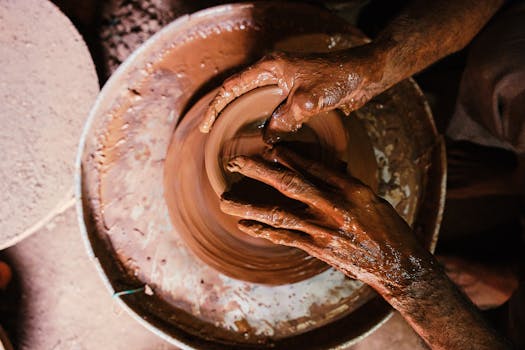
Creating clay objects by hand or on a wheel, then firing them in a kiln, sharing similar craft skills and studio practice with glassworkers.
Explore relevant apprenticeships that can help you kickstart your career in Glassblower. Apprenticeships offer hands-on experience and training while earning a wage.
Explore other careers or use our AI to discover personalised paths based on your interests.
Address
Developing Experts Limited
Exchange Street Buildings
35-37 Exchange Street
Norwich
NR2 1DP
UK
Phone
01603 273515
Email
[email protected]
Copyright 2026 Developing Experts, All rights reserved.

Unlock expert-designed lessons, resources, and assessments tailored for educators. No credit card required.
Claim Your Free Trial →We use cookies to enhance your browsing experience and analyze our traffic. Learn more.

