


Creating Career Path...

Finding Further Careers...

Fashion Designer

View this career for different education levels:

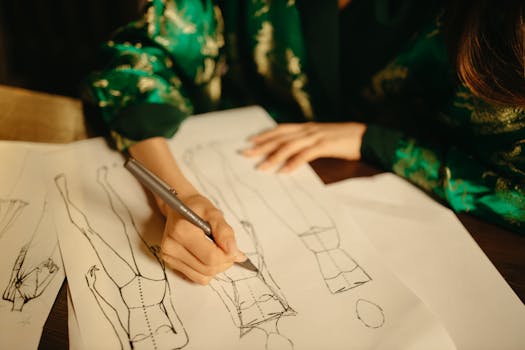
Fashion designers create original clothing, accessories, and footwear by sketching designs, selecting fabrics and patterns, and overseeing the production of their creations. In the UK, this career often involves working for established brands, design houses, or as an independent designer. Fashion designers must keep up with current trends, forecast future styles, and often present their work at fashion shows or to clients. The role can be highly competitive, requiring a mix of creativity, technical skills, and business sense. Many designers specialise in areas such as womenswear, menswear, childrenswear, or sportswear, and may also work closely with manufacturers and retailers to bring their designs to market.

Fashion Designer

Flag Media

Please select a reason for flagging this content.

📊 Statistics

Average Salary

Fashion designers in the UK typically earn between £20,000 and £40,000 per year, with experienced or senior designers earning upwards of £60,000.

Job Openings

There are around 30,000 people employed in fashion design and related occupations in the UK, with London being a major hub for the industry.

Industry Growth

The UK fashion industry contributes over £26 billion to the UK economy annually and supports over 800,000 jobs across various sectors.

🚀 Careers in this path

Flag Media

Please select a reason for flagging this content.

Bridalwear Designer

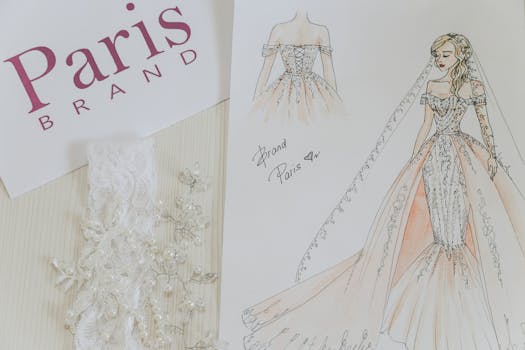
Specialises in designing wedding dresses and bridal accessories, working with brides to create unique and memorable outfits for their special day.

Flag Media

Please select a reason for flagging this content.

Sportswear Designer

Focuses on creating functional and stylish clothing for athletes and sports enthusiasts, taking into account comfort, performance, and current trends.

Flag Media

Please select a reason for flagging this content.

Textile Print Designer

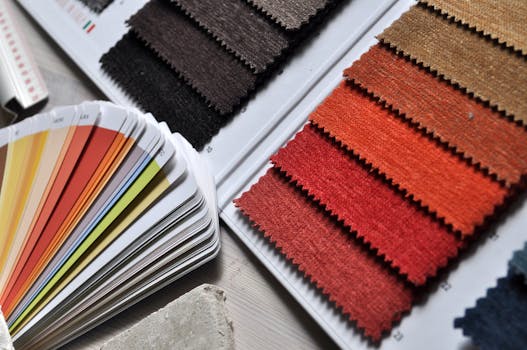
Develops original patterns and prints for fabrics used in clothing collections, collaborating with fashion designers to bring visual interest to garments.

Develop Your Creative Skills

Study Art and Design

Take art and design subjects at school or college to build your creative foundation.

Choosing GCSEs or A-levels in Art, Design and Technology, or Textiles can help you learn essential skills like drawing, colour theory, and fabric work. Participating in after-school clubs or workshops can also improve your portfolio and creativity.

Practise Sketching and Sewing

Regularly sketch fashion ideas and learn basic sewing techniques.

Set aside time each week to sketch new designs and experiment with different garment styles. Try using a sewing machine or hand sewing to construct simple clothing items. This practical experience will give you a strong foundation for more advanced projects.

Gain Qualifications

Complete a Fashion Course

Pursue a college course, diploma, or university degree in fashion design or a related subject.

Many fashion designers study for an HND, foundation degree, or BA in Fashion Design, Fashion Technology, or Textiles. Look for courses with strong practical elements, industry links, and opportunities for work placements. Research entry requirements carefully and prepare a strong portfolio for your applications.

Build a Portfolio

Create a portfolio of your best designs to showcase your skills to potential employers or universities.

Your portfolio should include original sketches, photographs of finished garments, and evidence of your creative process. Update it regularly and tailor it to the requirements of the course or job you are applying for. A strong portfolio is essential in the competitive fashion industry.

Gain Industry Experience

Seek Work Placements or Internships

Gain practical experience by working with fashion houses, designers, or clothing manufacturers.

Look for internships during your studies or after graduation. These opportunities will help you understand how the industry works, build contacts, and develop your technical and creative skills in a real-world setting. Many fashion companies advertise internships on their websites or through university careers services.

Enter Competitions and Attend Fashion Events

Participate in design competitions and attend fashion shows to network and gain exposure.

Taking part in competitions can help you gain recognition and boost your portfolio. Attending events such as London Fashion Week or local student fashion shows allows you to network with industry professionals, stay updated with trends, and gain inspiration for your own work.

🎯 View Apprenticeships

Explore relevant apprenticeships that can help you kickstart your career in Fashion Designer. Apprenticeships offer hands-on experience and training while earning a wage.

Career Progressions

This page showcases various career options and the pathways to reach them. Each career listed here shares transferable skills and knowledge, making it easier for individuals to transition between them.

Your current career is highlighted to help you see how it fits into the broader landscape of potential career choices. By clicking on any career, you can learn more about it, including the training and education required to pursue it.

Remember, progressing in your career often involves further learning and training. This page provides insights into future career options as well as those that can lead up to your current one.

These career progression decisions are informed by comparing the skills and knowledge needed for different occupations, along with data on how people move between them. Explore the possibilities and discover the exciting journey ahead in your career!

Sample Qualifications

A Fashion Designer and a Textile Designer both work closely with fabrics and materials, focusing on creating visually appealing and functional designs. While their specific roles may differ, their qualifications often overlap in areas such as colour theory, fabric selection, and an understanding of textile properties.

How to become

You can get into this job through:

  • a university course
  • a college course
  • an apprenticeship
  • working towards this role

University

You could take a foundation degree, higher national diploma or degree in a subject like:

  • textile design
  • fashion and textiles
  • art and design
  • surface pattern and textiles
  • textile technology

You can also do a postgraduate course in textile design if you have a related first degree or a lot of industry experience.

When choosing a course, it's important to check that it covers the technical skills and knowledge that employers want.

Entry requirements

You'll usually need:

  • a foundation diploma in art and design
  • 1 or 2 A levels, or equivalent, for a foundation degree or higher national diploma
  • 2 to 3 A levels, or equivalent, for a degree
  • a related degree or several years' relevant experience

More Information

College

You can take a college course in textiles or art, craft and design. These courses will teach you some of the skills and knowledge you need to get an assistant’s job with a design company.

If you want to work in the development of industrial textiles, you can take a course in design and technology or product design.

Entry requirements

Entry requirements for these courses vary.

More Information

Apprenticeship

You could apply to do an apprenticeship, such as:

  • Fashion and Textiles Pattern Cutter Level 3 Advanced Apprenticeship
  • Textile Technical Specialist Level 4 Higher Apprenticeship
  • Fashion and Textiles Product Technologist Level 4 Higher Apprenticeship

These take around 2 years to complete and combine training on the job with off-site study.

Apprenticeships like these could help you to find a trainee position. This might be with a design company, or with a manufacturer, making technical textiles used in industries like healthcare, construction and aerospace.

Entry requirements

You'll usually need:

  • 5 GCSEs at grades 9 to 4 (A* to C), or equivalent, including English and maths, for an advanced apprenticeship
  • 4 or 5 GCSEs at grades 9 to 4 (A* to C) and A levels, or equivalent, for a higher or degree apprenticeship

More Information

Work

You could start work as a textile design assistant or technician. You would combine your work experience with on-the-job training and qualifications to become a textile designer.

More Information

Career tips

You'll usually need to present a design portfolio when you're looking for work or applying for courses.

Professional and industry bodies

You could join The Textile Institute and The Textile Society for professional development training and to build up your network of contacts.

Further information

You can find out more about careers and training in textiles through the:

Interested in More Career Paths?

Explore other careers or use our AI to discover personalised paths based on your interests.

Stay connected

Join our newsletter to stay up to date on features and releases

Address
Developing Experts Limited
Exchange Street Buildings
35-37 Exchange Street
Norwich
NR2 1DP
UK

Phone
01603 273515

Email
[email protected]

Copyright 2025 Developing Experts, All rights reserved.
