Creating Career Path...

Finding Further Careers...

Fashion Designer

View this career for different education levels:

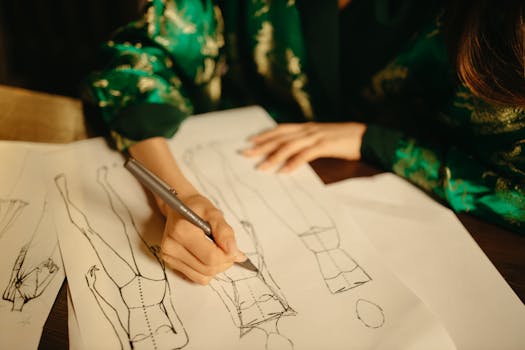
A fashion designer is someone who creates original clothing, accessories, and footwear. In the UK, fashion designers may work for design houses, high-street retailers, or start their own labels. The role involves researching trends, sketching designs, selecting fabrics, and overseeing the production of garments. Fashion designers need a mix of creativity and technical knowledge, as well as strong communication skills to work with manufacturers and clients. Many designers specialise in particular areas, such as womenswear, menswear, childrenswear, or costume design. The job can involve attending fashion shows and trade events, and often requires a portfolio to showcase your work. The career is competitive, but offers exciting opportunities in both established fashion cities like London and regional creative hubs.

Fashion Designer

Flag Media

Please select a reason for flagging this content.

📊 Statistics

Average Salary

Fashion designers in the UK typically earn between £18,000 and £50,000 per year, with experienced designers or those working for high-profile brands earning upwards of £60,000.

Job Market Size

There are around 29,000 people employed in the UK fashion and textile design sector as of 2023.

Growth Forecast

The UK fashion industry contributes over £26 billion to the economy annually, and demand for innovative designers continues to grow, especially in sustainable and digital fashion.

🚀 Careers in this path

Flag Media

Please select a reason for flagging this content.

Textile Designer

Creates patterns and designs for fabrics used in clothing, accessories, and homewares.

Flag Media

Please select a reason for flagging this content.

Footwear Designer

Specialises in designing shoes and boots, focusing on style, comfort, and functionality.

Costume Designer

Designs costumes for film, television, theatre, or dance productions, often working with directors and performers to create the right look for each character.

Develop Your Skills and Portfolio

Learn the Basics of Fashion and Design

Start by learning about fashion, design principles, and garment construction through school subjects like art and design, or by attending short courses and workshops.

It is helpful to take GCSEs or equivalent qualifications in Art, Design and Technology, or Textiles. You can also attend local workshops, online classes, or summer schools focused on fashion. Start building your confidence with sketching, mood boards, and basic sewing projects.

Build a Fashion Portfolio

Create a portfolio showcasing your best design work, including sketches, photographs of garments you have made, and mood boards.

A strong portfolio is essential for applying to fashion courses and jobs. Include a variety of work demonstrating your creativity, technical skills, and understanding of fashion trends. Update your portfolio regularly as your skills improve.

Pursue Relevant Education

Study Fashion Design or Related Subjects

Apply for a college or university course in fashion design, textiles, or a related field to gain deeper knowledge and practical experience.

Many aspiring fashion designers take a Level 3 Diploma, A-levels, or BTEC in Art and Design, followed by a degree in Fashion Design or a similar subject. University courses often include work placements, competitions, and opportunities to showcase your work at fashion shows.

Gain Work Experience

Look for work placements, internships, or volunteering opportunities in the fashion industry to gain hands-on experience.

Work experience can be gained at fashion houses, clothing retailers, or by assisting established designers. This helps you build connections, learn about the industry, and understand the day-to-day responsibilities of a designer.

Start Your Career in Fashion

Apply for Fashion Jobs or Start Your Own Brand

Search for jobs such as junior designer, pattern cutter, or design assistant, or consider starting your own fashion label if you have an entrepreneurial spirit.

Entry-level roles help you learn from experienced designers and gradually take on more responsibility. If you start your own brand, you will need to develop business skills, create collections, and market your work through social media or fashion events.

Continue Professional Development

Stay up to date with fashion trends and continually develop your skills through courses, workshops, and industry events.

Fashion is a fast-moving industry, so it is important to keep learning. Attend fashion shows, read industry magazines, and network with other designers and professionals. Consider joining professional organisations such as the British Fashion Council.

🎯 View Apprenticeships

Explore relevant apprenticeships that can help you kickstart your career in Fashion Designer. Apprenticeships offer hands-on experience and training while earning a wage.

Career Progressions

This page showcases various career options and the pathways to reach them. Each career listed here shares transferable skills and knowledge, making it easier for individuals to transition between them.

Your current career is highlighted to help you see how it fits into the broader landscape of potential career choices. By clicking on any career, you can learn more about it, including the training and education required to pursue it.

Remember, progressing in your career often involves further learning and training. This page provides insights into future career options as well as those that can lead up to your current one.

These career progression decisions are informed by comparing the skills and knowledge needed for different occupations, along with data on how people move between them. Explore the possibilities and discover the exciting journey ahead in your career!

Sample Qualifications

The chosen career title is the same as the original, as both involve creating original clothing designs, overseeing the design process, and applying creative and technical skills specific to fashion. They share similar qualifications related to visualisation, textiles, and trend analysis within the fashion industry.

How to become

You can get into this job through:

  • a university course
  • a college course

University

You'll usually need a foundation degree, higher national diploma or degree.

Courses are widely available and include:

  • fashion design
  • art and design
  • garment technology
  • textiles

You should look for a course that covers both design and technical skills to get the practical knowledge needed by the industry.

Several universities and colleges that run courses are members of the British Fashion Council, which promotes strong links with employers in the fashion trade.

Entry requirements

You'll usually need:

  • 1 or 2 A levels, or equivalent, for a foundation degree or higher national diploma
  • 2 to 3 A levels, or equivalent, for a degree

More Information

College

You could do a college course, which would teach you some of the skills and knowledge you need to work in the fashion industry as an assistant.

Subjects include:

  • fashion
  • fashion and textiles
  • craft and design

Once you've gained some experience with an employer, you may be able to do further training to become a fashion designer.

Entry requirements

Entry requirements for these courses vary.

More Information

Volunteering

You'll need to get as much work experience as you can, for example through an internship, as there's strong competition for jobs in the fashion industry.

This can help you get a better understanding of the role, and to meet people who may help you to find paid work later on.

The British fashion industry supports initiatives like the National Saturday Club for young people aged 13 to 16, looking to learn about fashion careers.

More Information

Career tips

You can create a portfolio of your design work to showcase your skills, which will help you in course and job interviews.

Your portfolio should include mood boards, designs, technical drawings and examples of completed fashion items you have made.

Further information

You can find more details about working in fashion from:

Interested in More Career Paths?

Explore other careers or use our AI to discover personalised paths based on your interests.

Stay connected

Join our newsletter to stay up to date on features and releases

Address
Developing Experts Limited
Exchange Street Buildings
35-37 Exchange Street
Norwich
NR2 1DP
UK

Phone
01603 273515

Email
[email protected]

Copyright 2025 Developing Experts, All rights reserved.
