A game designer plans how a game works and feels to play. They create ideas for characters, levels, challenges, stories, rules and rewards. They may write design documents, make simple prototypes and test games to find out what is fun or confusing. Game designers work closely with programmers, artists, writers, sound designers and producers.
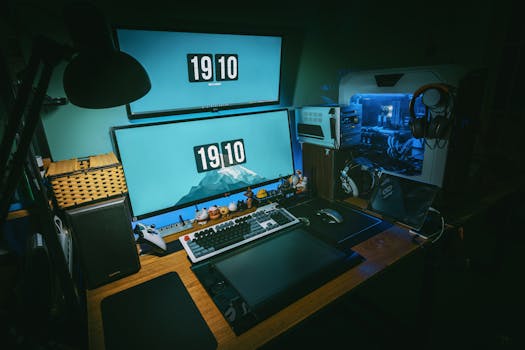
A junior game designer in the UK may earn about 22000 to 30000 pounds per year.
An experienced game designer may earn about 35000 to 60000 pounds per year. Senior designers and design leads can earn more.
The UK games industry supports more than 70000 jobs, including roles in design, programming, art, sound and production.
The UK games market is worth several billion pounds each year, making it one of the largest creative industries in the country.
Plans and creates the stages, challenges and maps that players explore in a video game.

Creates the appearance, personality and abilities of characters in games.
Designs menus, buttons and screens to make games easy and enjoyable to use.
Play different types of games and think about what makes them fun, difficult or interesting.
Try platform games, puzzle games, role playing games and strategy games. Write down what you like about their rules, characters, levels and stories. Ask yourself how a game could be improved. This will help you start thinking like a designer rather than only a player.
Practise problem solving, storytelling, drawing, communication and teamwork.
Game designers need to explain ideas clearly and work well with other people. English can help with writing stories and instructions, while maths can help with scoring, timing and game rules. You can also practise by creating maps, writing character descriptions or designing rules for a board game.
Find out how game designers work with programmers, artists, animators, writers and sound specialists.
A game designer may focus on levels, characters, gameplay systems or stories. Larger studios often have specialist designers, while smaller studios may expect one person to do several types of work. Watch interviews with game developers and read about how games are made from the first idea to the finished product.
Use beginner friendly tools to create simple games and learn how design decisions affect players.
You could begin with Scratch, Twine or another tool designed for beginners. Later, you could try Unity or Unreal Engine with help from a teacher, parent or trusted adult. Start with a small project such as a maze, a quiz or a basic platform game. Finishing a small game is better than starting a project that is too large.
Write clear plans that explain how your game will work.
A simple game design document can include the game idea, target players, main rules, characters, levels, controls and rewards. Add sketches or flow charts to explain your ideas. Keep your plans organised and update them when you learn something new. Good documents help a team understand what needs to be built.
Ask other people to play your game and use their feedback to make changes.
Watch players without interrupting them. Notice where they become confused, bored or frustrated. Ask polite questions afterwards about what they enjoyed and what they would change. Testing is a normal part of game design. Be willing to remove or change ideas if they do not make the game more enjoyable.
Work hard in subjects that can support game design, such as computing, art, English, design and technology and mathematics.
Different game design courses have different entry requirements, so check them carefully when you are older. Computing can help you understand programming, while art and design can support visual ideas. English can help with storytelling and communication. Mathematics can help with logic, probability and balancing game systems.
Collect your best game ideas, designs, prototypes and completed projects in one place.
A portfolio could include videos of games you have made, level maps, character ideas, game design documents and explanations of how you solved problems. Show how your work changed after testing. Employers and colleges often want to see your creative thinking and your ability to finish projects.
Look into college courses, university degrees, apprenticeships and junior jobs in the games industry.
Relevant courses may include game design, games development, computing, interactive media or animation. Some people enter the industry through university, while others build skills independently and apply for junior roles. When choosing a course, check the practical work, software taught, work experience opportunities and portfolio requirements. You can also attend games events or careers fairs to meet people in the industry.

A game programmer writes the computer code that makes the game work. They may create movement, controls, menus and special effects.
A game artist creates the visual parts of a game, such as characters, buildings, environments, animation and user interface designs.

A level designer plans the stages, maps and challenges that players explore in a game.

A games producer organises the development team, schedules work and helps make sure the game is completed on time.
Explore relevant apprenticeships that can help you kickstart your career in Game Designer. Apprenticeships offer hands-on experience and training while earning a wage.
This page showcases various career options and the pathways to reach them. Each career listed here shares transferable skills and knowledge, making it easier for individuals to transition between them.
Your current career is highlighted to help you see how it fits into the broader landscape of potential career choices. By clicking on any career, you can learn more about it, including the training and education required to pursue it.
Remember, progressing in your career often involves further learning and training. This page provides insights into future career options as well as those that can lead up to your current one.
These career progression decisions are informed by comparing the skills and knowledge needed for different occupations, along with data on how people move between them. Explore the possibilities and discover the exciting journey ahead in your career!
Explore other careers or use our AI to discover personalised paths based on your interests.
Address
Developing Experts Limited
Exchange Street Buildings
35-37 Exchange Street
Norwich
NR2 1DP
UK
Phone
01603 273515
Email
[email protected]
Copyright 2026 Developing Experts, All rights reserved.

Unlock expert-designed lessons, resources, and assessments tailored for educators. No credit card required.
Claim Your Free Trial →We use cookies to enhance your browsing experience and analyze our traffic. Learn more.

