A game designer plans how a game works and feels. They think of the rules, story, characters, puzzles, levels and challenges. They may use drawings, notes and computer tools to show their ideas. They work with artists, programmers, writers and sound designers. Game designers play games many times to find problems and make the game more fun and fair. They need to be creative, good at solving problems and able to work well with other people. Many designers start by making small games or learning how to use game making software.
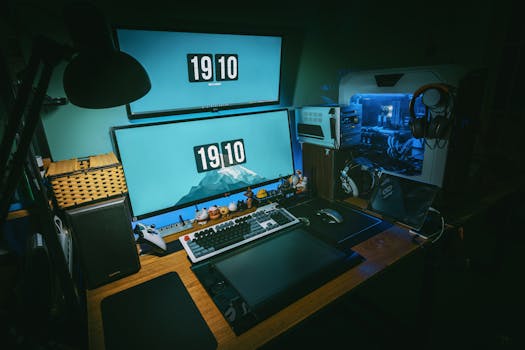
About 86,000 people work in the UK games industry.
A new game designer may earn about 20,000 to 30,000 pounds a year.
An experienced game designer may earn about 40,000 to 60,000 pounds a year.
The UK games industry makes more than 7 billion pounds each year.
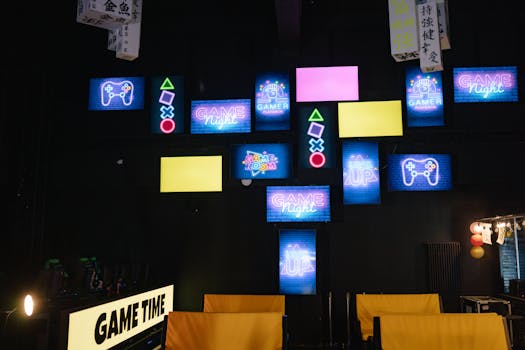
Creates the worlds, challenges and adventures that players explore in a game.

Invents and draws the heroes, creatures and other characters in a game.
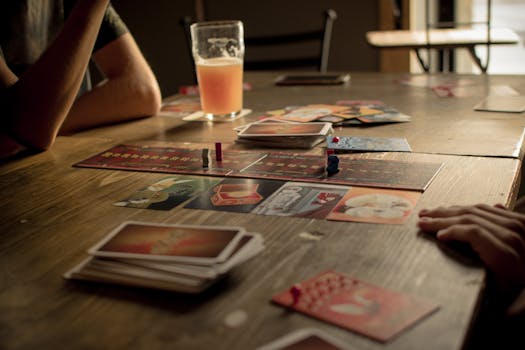
Writes the stories, conversations and quests that make a game exciting.
Play different types of games and think about what makes them enjoyable.
Try puzzle games, adventure games, racing games and building games. Notice the rules, goals, characters, sounds and levels. Tell someone what you liked and what you would change. This helps you understand how games are made.
Create simple ideas for games using paper, drawings or your imagination.
Choose a setting, such as space, a jungle or a magical kingdom. Then decide what the player needs to do and what makes the game challenging. You can write your idea in a notebook and draw pictures of the characters and world.
Use puzzles and creative challenges to improve your problem solving skills.
Maths games, building activities and board games can help you practise planning and thinking carefully. Game designers often test many ideas before finding the best one, so it is useful to keep trying when something does not work.
Use a child friendly coding tool to make a simple game.
Tools such as Scratch can help you make characters move, collect objects and respond to buttons. You can learn coding through small projects. Start with a short game, such as catching falling stars or guiding a character through a maze.
Plan the places where players will explore and complete challenges.
Draw a map of a level on paper. Add a starting point, obstacles, helpful items and a finish point. Make sure the level is clear and fair. Players should understand what they need to do and have a chance to improve.
Create characters and stories that give the game meaning.
Think about who the main character is, what they want and what problem they must solve. Give characters different personalities. A simple story can make players care about what happens in the game.
Create a complete game with a clear goal, rules and ending.
Use your coding and design skills to make a small project. Keep the game simple so you can finish it. Include a title, instructions, characters, challenges and a way for the player to win or finish.
Let friends or family play your game and listen to their ideas.
Watch carefully while someone plays. Notice where they become confused or stuck. Ask what they enjoyed and what they would improve. Game designers use feedback to make their games easier to understand and more fun.
Save your game ideas, drawings, stories and finished projects in one place.
A portfolio is a collection that shows your work. You can include sketches, level maps, character notes and links to games you have made. Update it as you learn new skills. This can help you show your progress to teachers and future employers.
Work hard in English, art, maths, computing and design.
English helps with stories and instructions. Art helps with characters and worlds. Maths helps with rules and balancing challenges. Computing helps with coding. You do not need to be perfect at every subject. Practise regularly and ask for help when you need it.
Join a coding club, game group or school project.
Games are usually made by teams. People may work on design, art, music, writing and programming. Working with others teaches you how to share ideas, listen carefully and solve problems together.
When you are older, look for courses in game design, computing, animation or digital media.
Colleges and universities may offer courses in game design, game development, computer science or animation. Some people also learn through apprenticeships and personal projects. Keep making games and building your portfolio. Curiosity, creativity and practice are important parts of becoming a game designer.
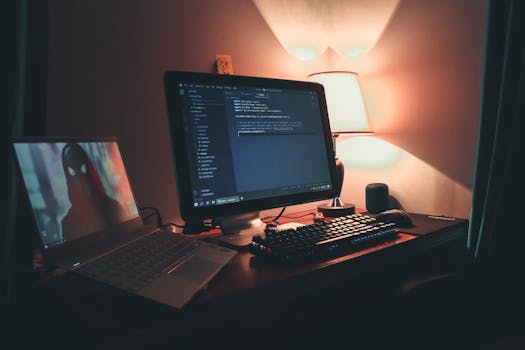
A game programmer writes computer code that makes the game work.

A game artist creates the characters, objects, places and pictures seen in a game.
A game writer creates the story, conversations and missions in a game.
A level designer plans the maps, challenges and journeys that players experience.
Explore relevant apprenticeships that can help you kickstart your career in Game Designer. Apprenticeships offer hands-on experience and training while earning a wage.
This page showcases various career options and the pathways to reach them. Each career listed here shares transferable skills and knowledge, making it easier for individuals to transition between them.
Your current career is highlighted to help you see how it fits into the broader landscape of potential career choices. By clicking on any career, you can learn more about it, including the training and education required to pursue it.
Remember, progressing in your career often involves further learning and training. This page provides insights into future career options as well as those that can lead up to your current one.
These career progression decisions are informed by comparing the skills and knowledge needed for different occupations, along with data on how people move between them. Explore the possibilities and discover the exciting journey ahead in your career!
Explore other careers or use our AI to discover personalised paths based on your interests.
Address
Developing Experts Limited
Exchange Street Buildings
35-37 Exchange Street
Norwich
NR2 1DP
UK
Phone
01603 273515
Email
[email protected]
Copyright 2026 Developing Experts, All rights reserved.

Unlock expert-designed lessons, resources, and assessments tailored for educators. No credit card required.
Claim Your Free Trial →We use cookies to enhance your browsing experience and analyze our traffic. Learn more.

