

Creating Career Path...

Finding Further Careers...

Pet Shop Worker

View this career for different education levels:

As a Pet Shop Worker, you'll be at the heart of the pet care retail industry, assisting customers with their animal needs and ensuring the welfare of the animals in the shop. Your daily tasks will be diverse, ranging from feeding, cleaning, and monitoring the health of various pets like hamsters, fish, and birds, to providing expert advice on pet nutrition, housing, and general care. You'll be responsible for maintaining a clean and safe environment for both the animals and customers, handling transactions, stocking shelves, and ensuring product displays are appealing. Excellent customer service skills are paramount, as you'll often be the first point of contact for pet owners seeking guidance or new supplies. This role requires a genuine love for animals, a good understanding of different species' requirements, and the ability to communicate effectively.

Pet Shop Worker

Flag Media

Please select a reason for flagging this content.

📊 Statistics

Average Salary (UK)

The typical starting salary for a Pet Shop Worker in the UK can range from approximately £18,000 to £22,000 per year, particularly for entry-level positions. With experience, this can rise.

Experienced Salary (UK)

Experienced Pet Shop Workers or those in supervisory roles might expect to earn between £22,000 and £26,000 annually, depending on location, employer, and additional responsibilities.

Job Outlook

While specific statistics for 'Pet Shop Worker' roles are often grouped under general retail or animal care, the pet industry in the UK continues to grow, suggesting a steady demand for knowledgeable staff. The number of pet-owning households remains high.

🚀 Careers in this path

Flag Media

Please select a reason for flagging this content.

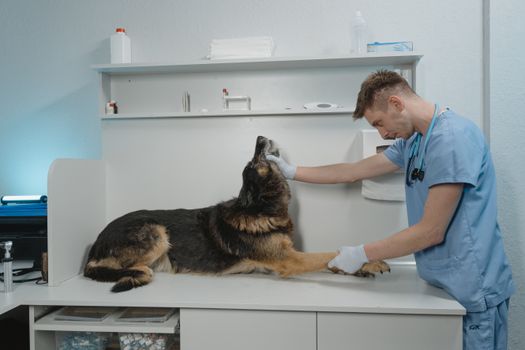
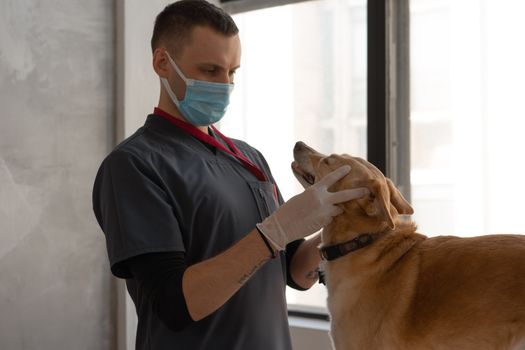
Veterinary Assistant

Assisting vets and veterinary nurses with daily tasks, animal handling, administering medication, and maintaining clinic hygiene. This role offers hands-on experience with a wider range of animals and medical procedures.

Flag Media

Please select a reason for flagging this content.

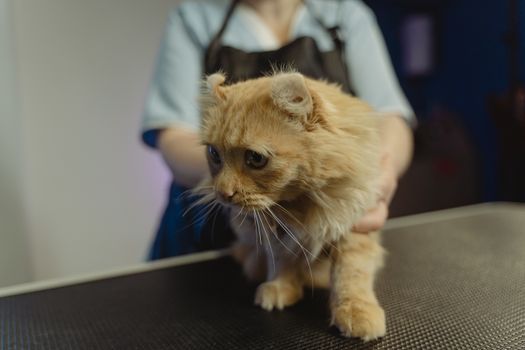
Animal Welfare Assistant

Working for a charity or rescue centre, focusing on the care, rehabilitation, and rehoming of neglected or abandoned animals. This involves feeding, cleaning, exercising, and socialising animals, as well as educating potential adopters.

Flag Media

Please select a reason for flagging this content.

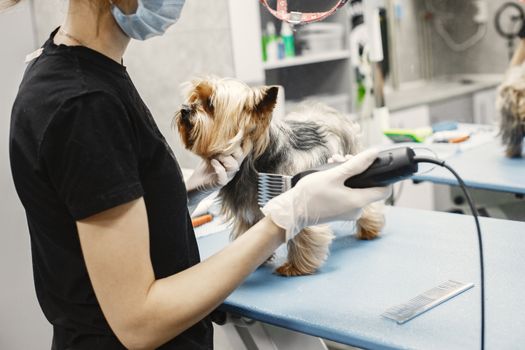
Pet Groomer

Specialising in the aesthetic and hygienic care of pets, primarily dogs and cats. This includes washing, cutting, styling, and de-shedding fur, as well as nail clipping and ear cleaning. Training often involves apprenticeships or dedicated courses.

Build Foundational Knowledge and Experience

Gain General Animal Care Experience

Volunteer or work part-time in environments where you interact with animals. This could be a local animal shelter, rescue centre, or even a friend's farm. Hands-on experience is invaluable.

Look for opportunities at local RSPCA branches, independent animal rescues, or even veterinary practices (though direct animal handling might be limited for volunteers). Focus on tasks like feeding, cleaning enclosures, observing animal behaviour, and general welfare. This will build your confidence and practical skills with various species.

Research Pet Care and Species-Specific Needs

Educate yourself on the specific care requirements of common pets, including their diets, housing, health, and behaviour. This knowledge will be crucial for advising customers.

Utilise online resources, books, and even short courses. Understand the needs of popular pets like dogs, cats, rabbits, guinea pigs, hamsters, and various fish and bird species. Learn about common ailments, appropriate nutrition, and environmental enrichment to ensure you can provide accurate and helpful advice to future customers.

Develop Customer Service Skills

Working in a pet shop involves a lot of customer interaction. Seek out roles or experiences that allow you to hone your communication, sales, and problem-solving abilities.

Any customer-facing role, even outside of animal care, will be beneficial. Think retail, hospitality, or even call centres. Focus on active listening, clear communication, handling enquiries, and confidently making recommendations. Being able to explain complex information simply and engagingly is a key skill in this role.

Secure Your First Pet Shop Role

Craft a Tailored CV and Cover Letter

Highlight your animal experience, customer service skills, and genuine passion for pets. Tailor each application to the specific pet shop's requirements.

Emphasise any animal handling experience, even if it's voluntary or with your own pets. Mention specific species you're familiar with and any customer service achievements. Your cover letter should convey your enthusiasm for working with animals and people in a retail environment, explaining why you believe you'd be a great fit for their team.

Network and Explore Local Opportunities

Visit local pet shops, enquire about openings, and speak to staff. Sometimes, smaller independent shops advertise roles less formally.

Politely introduce yourself, express your interest, and leave your CV if appropriate. Attending local pet shows or community events related to animals can also be a good way to meet people in the industry and hear about potential vacancies. Online job boards like Indeed, Gumtree, and specialist retail job sites are also good resources.

Prepare for the Interview

Be ready to discuss your animal knowledge, customer service scenarios, and why you want to work specifically in a pet shop.

Anticipate questions about handling difficult customers, advising on pet care, dealing with pet health concerns, and your understanding of animal welfare. Demonstrate your passion and commitment. Research the specific shop you're interviewing with, including the types of animals they sell and products they stock, to show genuine interest.

Grow and Specialise in the Role

Undertake Further Training and Qualifications

Look for opportunities to gain formal qualifications in animal care, pet retail, or specific species care to enhance your expertise.

Consider Level 2 or 3 Animal Care qualifications, courses in pet first aid, or specialised training in aquatics, reptile care, or small mammals. Many employers support continued professional development. These qualifications can lead to more responsibility and better career prospects within the pet retail sector or related animal industries.

Seek Increased Responsibility

Once established, look for opportunities to take on more responsibilities, such as stock management, supervising new staff, or becoming a specialist in a particular department.

Express your interest to your manager in areas like inventory control, visual merchandising of pet products, or becoming the go-to person for a specific animal section (e.g., aquatics expert). This shows initiative and helps you build a broader skillset, preparing you for potential supervisory or management roles within the pet retail environment.

Network Within the Pet Industry

Connect with other professionals in the pet sector, including vets, groomers, breeders, and trainers. This can open doors to new opportunities and knowledge.

Attend industry trade shows, workshops, and local pet community events. Building relationships with other professionals can provide insights into different aspects of the pet industry, potential future career paths, and even collaborative opportunities. It can also help you stay updated on the latest trends and best practices in animal welfare and pet care.

🎯 View Apprenticeships

Explore relevant apprenticeships that can help you kickstart your career in Pet Shop Worker. Apprenticeships offer hands-on experience and training while earning a wage.

Career Progressions

This page showcases various career options and the pathways to reach them. Each career listed here shares transferable skills and knowledge, making it easier for individuals to transition between them.

Your current career is highlighted to help you see how it fits into the broader landscape of potential career choices. By clicking on any career, you can learn more about it, including the training and education required to pursue it.

Remember, progressing in your career often involves further learning and training. This page provides insights into future career options as well as those that can lead up to your current one.

These career progression decisions are informed by comparing the skills and knowledge needed for different occupations, along with data on how people move between them. Explore the possibilities and discover the exciting journey ahead in your career!

Sample Qualifications

While 'Pet Shop Worker' isn't directly listed, a significant part of their role involves caring for live animals, which includes managing their environment, feeding, and general upkeep. This shares some transferable skills with a Horticultural worker who tends to plants, requiring similar attention to living organisms and their specific needs, though animals are distinct from plants.

How to become

You can get into this job through:

  • a college course
  • an apprenticeship
  • applying directly
  • training with a professional body

College

You could take a college course, which may help you when looking for jobs.

Courses include:

  • Level 2 Certificate in Horticulture
  • Level 3 Extended Diploma in Horticulture

Entry requirements

You'll usually need:

  • 2 or more GCSEs at grades 9 to 3 (A* to D), or equivalent, for a level 2 course
  • 4 or 5 GCSEs at grades 9 to 4 (A* to C), or equivalent, for a level 3 course

More Information

Apprenticeship

You could start by doing an apprenticeship, such as:

  • Horticulture or Landscape Construction Operative Level 2 Intermediate Apprenticeship
  • Horticulture or Landscaping Supervisor Level 3 Advanced Apprenticeship

These take between 2 and 3 years to complete.

Entry requirements

You'll usually need:

  • some GCSEs, usually including English and maths, or equivalent, for an intermediate apprenticeship
  • 5 GCSEs at grades 9 to 4 (A* to C), or equivalent, including English and maths, for an advanced apprenticeship

More Information

Volunteering

You might find it useful to get some practical experience by volunteering in horticulture or gardening, while looking for jobs.

Direct Application

You can apply directly for jobs if you have experience in gardening, horticulture or retail. Employers might ask for GCSEs at grades 9 to 4 (A* to C) in maths, English and science.

You could then do a part-time horticultural course or get training on the job to develop your skills.

Other Routes

You can take a course with The Royal Horticultural Society to learn more about horticulture or to help you get a job.

You could learn at a training centre or online depending on the course you choose.

More Information

Further information

You can find out more about careers in horticulture through:

Interested in More Career Paths?

Explore other careers or use our AI to discover personalised paths based on your interests.

Stay connected

Join our newsletter to stay up to date on features and releases

Address
Developing Experts Limited
Exchange Street Buildings
35-37 Exchange Street
Norwich
NR2 1DP
UK

Phone
01603 273515

Email
[email protected]

Copyright 2026 Developing Experts, All rights reserved.
