
Creating Career Path...

Finding Further Careers...

Pet Shop Worker

View this career for different education levels:

Being a Pet Shop Worker is a really fun job if you love animals and enjoy helping people! Your main job is to look after the animals in the shop, making sure they are fed, their enclosures are clean, and they have fresh water. You'll work with all sorts of pets, from colourful fish and chirpy birds to playful hamsters and cute rabbits. You also get to help customers choose the right pet for them and advise them on how to care for their new friend. This means you need to know a lot about different animals, what they eat, what kind of home they need, and how to keep them happy and healthy. Besides looking after the animals, you'll also be helping customers with all the products a pet might need, like food, toys, beds, and medicines. You'll need to keep the shop tidy and organised, make sure shelves are stocked, and sometimes even help with the till. It is important to be friendly and helpful to everyone who comes into the shop, whether they are just browsing or looking for specific advice. You will learn a lot about animal behaviour and how to give great customer service, which are useful skills for many different jobs!

Pet Shop Worker

Flag Media

Please select a reason for flagging this content.

📊 Statistics

Average Starting Salary

A new Pet Shop Worker in the UK might start on around 19,000 to 21,000 pounds per year, especially for entry-level positions or apprenticeships.

Experienced Salary

With more experience and responsibility, like a supervisor role, a Pet Shop Worker could earn between 22,000 and 26,000 pounds annually in the UK.

Typical Working Hours

Most Pet Shop Workers in the UK work around 35-40 hours a week. This often includes weekends and some bank holidays, as pet shops need to be open when customers can visit.

🚀 Careers in this path

Flag Media

Please select a reason for flagging this content.

Animal Care Assistant

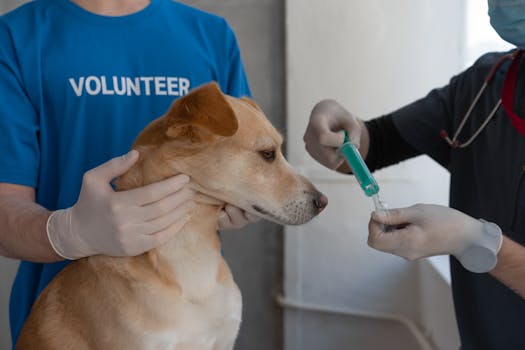
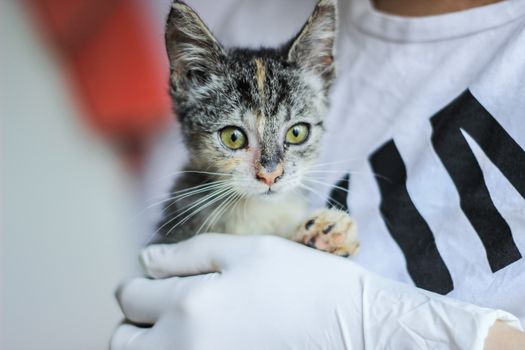
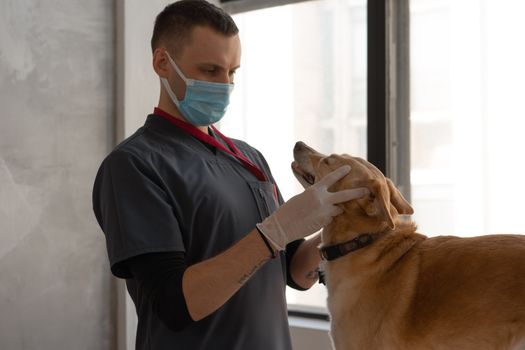
Help look after pets in an animal rescue centre or a vet surgery. You'd feed them, clean their enclosures, and help keep them happy and healthy.

Flag Media

Please select a reason for flagging this content.

Dog Groomer's Assistant

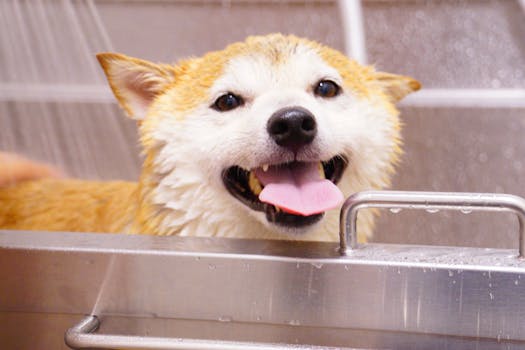
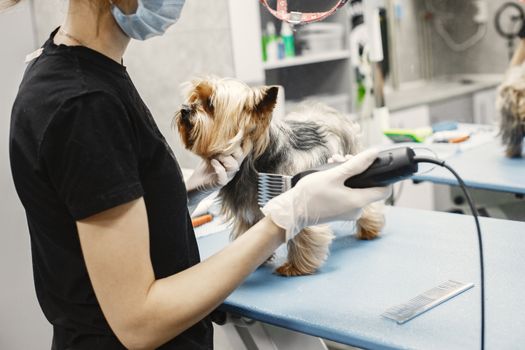
Work in a dog grooming salon, helping to wash, brush, and pamper dogs. You'd learn how to handle different breeds and keep them looking their best.

Flag Media

Please select a reason for flagging this content.

Aquarium Assistant

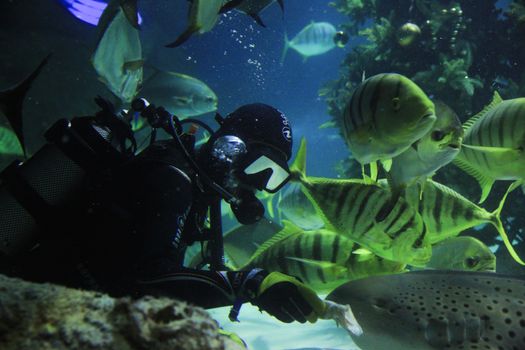
If you love fish and aquatic creatures, you could help care for them in a pet shop or a larger aquarium. You'd learn about different fish species and how to keep their tanks clean.

Learning About Animals

Read Books and Watch Documentaries

Start by learning as much as you can about different types of pets. Find out what they eat, how they behave, and what makes them happy.

Visit your local library or search online for books about common pets like hamsters, fish, rabbits, and guinea pigs. Many TV channels and online platforms have fantastic documentaries about animals and their care. The more you know, the better prepared you'll be to understand their needs. Focus on understanding the basics of their diet, habitat, and typical health issues.

Visit Local Pet Shops

Take a trip to pet shops in your area. Observe how the staff interact with the animals and customers, and look at the different products they sell.

When you visit, pay attention to how the animals are housed and cared for. Notice the different types of food, toys, and accessories available for various pets. You could even ask a parent to help you politely ask a staff member a question or two about their job or a specific animal. This hands-on observation will give you a real feel for the environment.

Talk to Pet Owners

If you know people with pets, ask them about what it's like to look after their animals, what challenges they face, and what they love most.

Friends, family, or neighbours who own pets can offer valuable insights. Ask them about their daily routines for feeding, cleaning, and playing with their pets. Understanding the responsibilities and joys of pet ownership from their perspective will help you appreciate the commitment involved and the types of advice pet owners might need.

Gaining Experience

Look After Your Own Pet (If Possible)

If you have a pet at home, take on more responsibility for its care. This is excellent practice for looking after animals properly.

This is one of the best ways to learn! Help with feeding, cleaning out their space, walking them (if it's a dog), and playing with them. You'll learn about daily routines, recognising when an animal is happy or sad, and the importance of cleanliness and consistent care. Even helping with a family pet counts as valuable experience.

Volunteer at an Animal Shelter or Rescue

When you're a bit older (usually 14+ with adult permission), volunteering can give you hands-on experience with many different animals.

Animal shelters often need help with walking dogs, playing with cats, cleaning cages, and assisting with general animal welfare. This type of volunteering is incredibly rewarding and will teach you a lot about animal behaviour, health, and how to handle different situations. It's also a great way to meet people who work with animals professionally.

Offer to Help Friends/Family with Their Pets

Ask if you can help neighbours or relatives look after their pets when they're away or busy. This can include feeding, walking, or just playing with them.

This is a fantastic way to gain experience with a variety of animals without the full-time commitment of owning your own. You might get to look after a dog, a cat, or even smaller pets. It shows responsibility and gives you different experiences with different animals and their routines. Always make sure an adult supervises you, especially when looking after pets you're not familiar with.

Next Steps for Your Future

Focus on Relevant School Subjects

Pay attention in subjects like Science, especially Biology, as it helps you understand animals' bodies and how they work.

Science lessons, particularly those covering living organisms and ecosystems, will give you a good foundation for understanding animal health, nutrition, and behaviour. English is also important for good communication with customers, and Maths can help with calculating prices or stock levels. Doing well in these subjects will prepare you for future studies or job applications.

Consider Further Education

After school, you could look into college courses in animal care, animal management, or retail to boost your skills.

There are many fantastic BTEC or NVQ courses available at colleges across the UK that focus specifically on animal care or retail. These courses can teach you more advanced skills in animal husbandry, first aid for animals, customer service, and shop operations. While not always essential for an entry-level pet shop job, they can certainly help you progress in your career and open up more opportunities.

Look for Part-Time Work or Apprenticeships

When you're old enough, look for part-time jobs in a pet shop or an apprenticeship to learn on the job.

Once you turn 16, you can start looking for part-time work, perhaps during school holidays or after school. This is a brilliant way to get paid experience and learn directly from experienced staff. Apprenticeships are also a great option where you work for an employer and gain qualifications at the same time. Both give you real-world experience and skills that are highly valued in the pet shop industry.

🎬 Useful Videos

🎯 View Apprenticeships

Explore relevant apprenticeships that can help you kickstart your career in Pet Shop Worker. Apprenticeships offer hands-on experience and training while earning a wage.

Career Progressions

This page showcases various career options and the pathways to reach them. Each career listed here shares transferable skills and knowledge, making it easier for individuals to transition between them.

Your current career is highlighted to help you see how it fits into the broader landscape of potential career choices. By clicking on any career, you can learn more about it, including the training and education required to pursue it.

Remember, progressing in your career often involves further learning and training. This page provides insights into future career options as well as those that can lead up to your current one.

These career progression decisions are informed by comparing the skills and knowledge needed for different occupations, along with data on how people move between them. Explore the possibilities and discover the exciting journey ahead in your career!

Sample Qualifications

While 'Pet Shop Worker' isn't an exact match, a significant part of a pet shop worker's role involves caring for animals, often including small mammals, birds, and fish, which involves feeding, cleaning enclosures, and maintaining their environment, similar to the care and maintenance duties a horticultural worker performs for plants.

How to become

You can get into this job through:

  • a college course
  • an apprenticeship
  • applying directly
  • training with a professional body

College

You could take a college course, which may help you when looking for jobs.

Courses include:

  • Level 2 Certificate in Horticulture
  • Level 3 Extended Diploma in Horticulture

Entry requirements

You'll usually need:

  • 2 or more GCSEs at grades 9 to 3 (A* to D), or equivalent, for a level 2 course
  • 4 or 5 GCSEs at grades 9 to 4 (A* to C), or equivalent, for a level 3 course

More Information

Apprenticeship

You could start by doing an apprenticeship, such as:

  • Horticulture or Landscape Construction Operative Level 2 Intermediate Apprenticeship
  • Horticulture or Landscaping Supervisor Level 3 Advanced Apprenticeship

These take between 2 and 3 years to complete.

Entry requirements

You'll usually need:

  • some GCSEs, usually including English and maths, or equivalent, for an intermediate apprenticeship
  • 5 GCSEs at grades 9 to 4 (A* to C), or equivalent, including English and maths, for an advanced apprenticeship

More Information

Volunteering

You might find it useful to get some practical experience by volunteering in horticulture or gardening, while looking for jobs.

Direct Application

You can apply directly for jobs if you have experience in gardening, horticulture or retail. Employers might ask for GCSEs at grades 9 to 4 (A* to C) in maths, English and science.

You could then do a part-time horticultural course or get training on the job to develop your skills.

Other Routes

You can take a course with The Royal Horticultural Society to learn more about horticulture or to help you get a job.

You could learn at a training centre or online depending on the course you choose.

More Information

Further information

You can find out more about careers in horticulture through:

Interested in More Career Paths?

Explore other careers or use our AI to discover personalised paths based on your interests.

Stay connected

Join our newsletter to stay up to date on features and releases

Address
Developing Experts Limited
Exchange Street Buildings
35-37 Exchange Street
Norwich
NR2 1DP
UK

Phone
01603 273515

Email
[email protected]

Copyright 2026 Developing Experts, All rights reserved.
