


Creating Career Path...

Finding Further Careers...

Earth Scientist

View this career for different education levels:

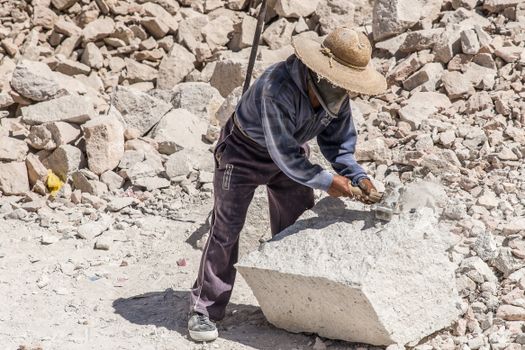
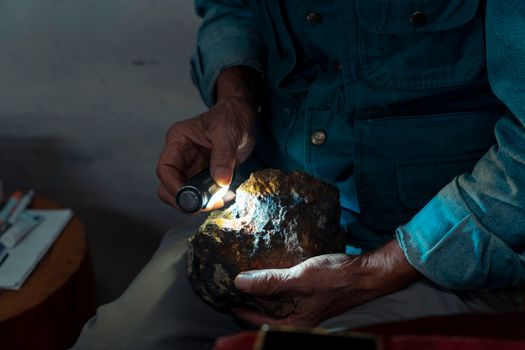
An Earth Scientist is someone who studies our planet Earth. This includes looking at rocks, minerals, fossils, oceans, rivers, and even the air around us. They try to understand how the Earth works, how it has changed over millions of years, and how we can protect it for the future. You might find them out in the field collecting samples, using special equipment to survey land, or working in a lab analysing what they've found. They help us understand things like climate change, natural hazards such as earthquakes and volcanoes, and where to find important resources like water or energy. Being an Earth Scientist is a bit like being a detective for the planet. You'll often be outdoors, perhaps climbing hills, exploring coastlines, or even going underground in mines to see the Earth up close. Other times, you'll be using computers to create maps and models, or writing reports to share your discoveries. It's a really important job because Earth Scientists help us make smart decisions about how we use our planet's resources and how to keep our environment healthy for everyone.

Earth Scientist

Flag Media

Please select a reason for flagging this content.

📊 Statistics

Starting Salary

For new Earth Scientists in the UK, starting salaries can typically range from about £20,000 to £25,000 per year.

Experienced Salary

With more experience, Earth Scientists can earn between £30,000 and £50,000 annually. Senior roles or specialised experts might earn even more.

Job Market Outlook

The demand for Earth Scientists in the UK is expected to grow steadily, particularly in areas like environmental protection, sustainable energy, and managing natural resources.

🚀 Careers in this path

Flag Media

Please select a reason for flagging this content.

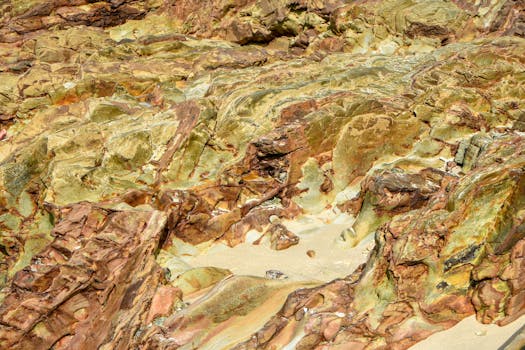
Geologist

Geologists study rocks, minerals, and the Earth's physical structure to understand how our planet was formed and how it changes over time. They might explore for valuable resources or study natural hazards like volcanoes.

Flag Media

Please select a reason for flagging this content.

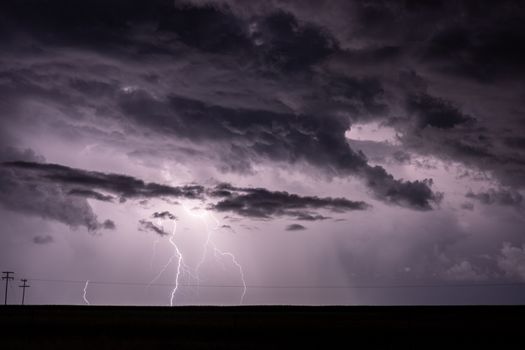
Meteorologist

Meteorologists study the Earth's atmosphere and weather patterns. They collect data to predict the weather, forecast storms, and understand climate change. This helps people plan their day and stay safe.

Flag Media

Please select a reason for flagging this content.

Oceanographer

Oceanographers explore the oceans, studying marine life, ocean currents, and the seabed. They help us understand how the oceans affect our planet's climate and discover new species or underwater features.

Build Your Foundations

Excel in Science and Maths

Focus on your science subjects like Chemistry, Physics, and Biology, and also make sure you're doing well in Maths. These subjects teach you how to observe, experiment, and solve problems, which are all super important for an Earth Scientist.

At school, try to pay extra attention in your science lessons. Learn about rocks, weather, and how things change over time. Maths is crucial for understanding data and making calculations about things like earthquake magnitudes or climate models. Don't be afraid to ask your teachers questions if you don't understand something!

Explore the Natural World

Spend time outdoors, looking closely at your local environment. Notice different types of rocks, how rivers flow, or the types of clouds in the sky. Read books or watch documentaries about nature and the Earth.

This step is all about sparking your curiosity! Visit museums with geology exhibits, go for walks in the countryside, or even just observe the rocks in your garden. There are loads of amazing nature shows on TV or online that can show you incredible things about our planet. The more you explore, the more you'll learn about what interests you most.

Join Science Clubs

See if your school has any science or nature clubs. These clubs are a great way to do fun experiments, go on trips, and meet other students who also love science.

Joining a science club could mean you get to do exciting projects like growing crystals, identifying rocks, or even building a model volcano. It's also a fantastic opportunity to meet new friends who share your passion for understanding the world around us. If your school doesn't have one, maybe you could even suggest starting one!

Secondary School Choices

Choose Relevant GCSEs

When you choose your GCSEs, make sure to pick Triple Science (Biology, Chemistry, Physics) if it's offered, and Maths. Geography is also a brilliant choice as it directly relates to Earth science.

Triple Science will give you a really strong foundation across all scientific disciplines, which is perfect for an Earth Scientist who needs to understand many different aspects of the planet. Geography will teach you about landforms, climate, and human interaction with the environment, all key areas in Earth science. Aim for good grades in these subjects to open up more options later.

Consider A-Levels

For A-levels, good choices would be Maths, Physics, Chemistry, Biology, and Geology (if available). Picking at least two sciences and Maths will prepare you well for university.

Many universities look for A-levels in at least two sciences (like Physics, Chemistry, or Biology) and Maths for Earth Science or Geology degrees. If your school offers Geology A-level, definitely consider it as it's directly relevant! Even if it's not available, a strong mix of sciences and Maths will show universities you have the right skills and knowledge.

Attend University Open Days

When you're older, visit universities that offer Earth Science, Geology, or Environmental Science degrees. Talk to students and lecturers about what it's like to study there.

University open days are a fantastic way to see different campuses and find out about specific courses. You can ask about fieldwork opportunities, what topics you'll study, and what equipment they use. It's a great chance to imagine yourself studying there and get answers to all your questions, helping you decide where you might want to apply.

University and Beyond

Earn a Degree

Study for a Bachelor's degree (BSc) in a subject like Geology, Earth Sciences, Geophysics, or Environmental Science at university. This will give you the specialist knowledge you need.

A university degree is usually essential for becoming an Earth Scientist. During your degree, you'll learn about rocks, minerals, volcanoes, earthquakes, oceans, climate change, and much more. You'll also get to do fieldwork, which means going outside to study geology in real-life settings, sometimes even abroad!

Consider Further Study

For some specialist roles or research, you might want to do a Master's degree (MSc) or even a PhD after your first degree. This allows you to focus on a specific area of Earth science.

A Master's degree typically takes one year and lets you delve deeper into a particular area, like oceanography or palaeontology. If you want to become a researcher or a university lecturer, a PhD (which takes several years) is usually required, where you conduct original research and become an expert in your chosen field.

Gain Work Experience

Look for internships or placements during your degree, or entry-level jobs after graduating. This practical experience is very valuable for starting your career.

Many universities help students find summer internships with companies or research organisations. This gives you a taste of what it's like to work as an Earth Scientist and helps you build connections. After university, look for graduate schemes or entry-level positions in areas like environmental consultancy, geological surveying, or even in the energy industry, to kickstart your career.

🎯 View Apprenticeships

Explore relevant apprenticeships that can help you kickstart your career in Earth Scientist. Apprenticeships offer hands-on experience and training while earning a wage.

Career Progressions

This page showcases various career options and the pathways to reach them. Each career listed here shares transferable skills and knowledge, making it easier for individuals to transition between them.

Your current career is highlighted to help you see how it fits into the broader landscape of potential career choices. By clicking on any career, you can learn more about it, including the training and education required to pursue it.

Remember, progressing in your career often involves further learning and training. This page provides insights into future career options as well as those that can lead up to your current one.

These career progression decisions are informed by comparing the skills and knowledge needed for different occupations, along with data on how people move between them. Explore the possibilities and discover the exciting journey ahead in your career!

Sample Qualifications

An Earth Scientist typically studies the Earth's physical structure and processes, which includes a significant focus on climate systems, historical climate data, and climate change, aligning closely with the duties of a Climate Scientist.

How to become

You can get into this job through a university course.

University

You could do a degree or postgraduate qualification in a relevant subject like:

  • environmental science or ecology
  • geography, earth sciences or geology
  • physics
  • maths and statistics
  • oceanography or marine science
  • meteorology and climate science
  • computer science

Work experience

You can get work experience through internships, placements or a year in industry during your course. This may help you to identify your area of interest for research.

For example, the Met Office early careers section has details of online and in-person work placements, as well as industrial placements and graduate schemes.

Entry requirements

You'll usually need:

  • 2 or 3 A levels, or equivalent, including maths and a science for a degree
  • a degree in a relevant subject for postgraduate study

More Information

More Information

Career tips

You can find information about global climate conditions through:

Further information

Discover more about working in climate science from:

Interested in More Career Paths?

Explore other careers or use our AI to discover personalised paths based on your interests.

Stay connected

Join our newsletter to stay up to date on features and releases

Address
Developing Experts Limited
Exchange Street Buildings
35-37 Exchange Street
Norwich
NR2 1DP
UK

Phone
01603 273515

Email
[email protected]

Copyright 2026 Developing Experts, All rights reserved.