



Creating Career Path...

Finding Further Careers...

Food Scientist

View this career for different education levels:

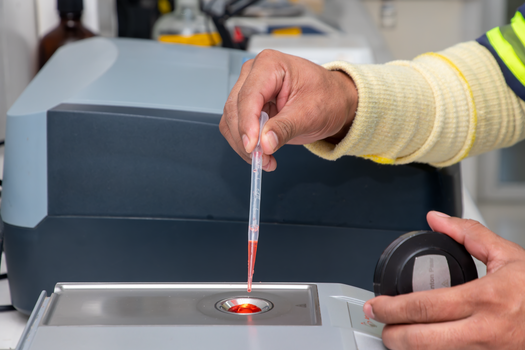
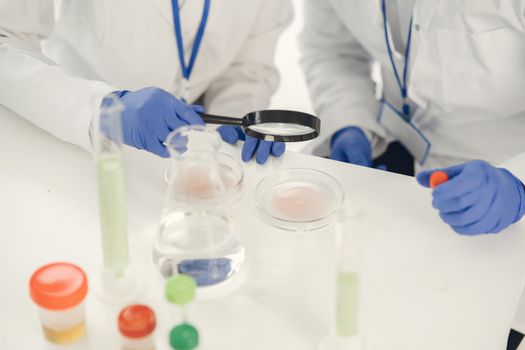
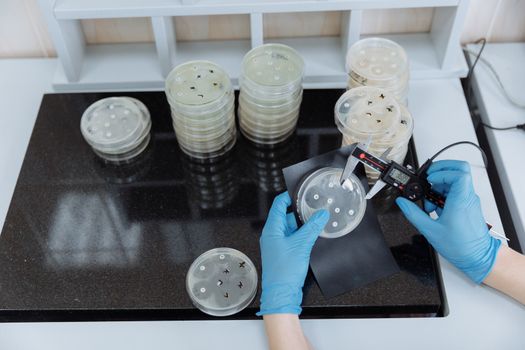
Imagine all the yummy food you eat – from your favourite crisps to a refreshing drink. A Food Scientist is like a detective and an inventor rolled into one, but for food! In the UK, their job is all about making sure the food we eat is safe, tasty, and good for us. They might work in a lab, testing ingredients to check their quality, or figuring out how to make a new type of biscuit last longer on the shelf. They also invent new food products, coming up with exciting flavours and textures, and making sure they are made in a healthy and sustainable way. It's a really important job because everyone needs to eat, and Food Scientists help ensure we have a great variety of safe and delicious options. Food Scientists in the UK could be involved in lots of different things. For example, they might be improving the nutritional value of school dinners, finding ways to reduce food waste, or developing plant-based alternatives to meat products. They use their understanding of chemistry, biology, and even engineering to solve problems related to food production, preservation, packaging, and safety. So, if you love science and are curious about what goes into your meals, a career as a Food Scientist could be a fascinating path for you!

Food Scientist

Flag Media

Please select a reason for flagging this content.

📊 Statistics

Starting Salary

A new Food Scientist in the UK might start on a salary of around 20,000 to 25,000 pounds per year.

Experienced Salary

With more experience, a Food Scientist could earn between 30,000 and 50,000 pounds annually. Senior roles can earn even more.

Job Outlook

The food and drink industry in the UK is very large and always needs bright people. There are always opportunities for Food Scientists to develop new products and make sure food is safe.

🚀 Careers in this path

Flag Media

Please select a reason for flagging this content.

Food Technologist

Imagine inventing new yummy snacks or making sure our favourite foods are safe to eat! Food technologists work in kitchens or labs, testing ingredients and making sure food products taste great and stay fresh for longer. It's like being a chef and a scientist rolled into one!

Flag Media

Please select a reason for flagging this content.

Nutritionist

Do you love learning about healthy eating? A nutritionist helps people understand what foods are good for them and how to eat a balanced diet. They might work with schools to plan healthy menus or teach people how to make better food choices to stay strong and healthy.

Flag Media

Please select a reason for flagging this content.

Product Development Scientist

This job is all about creating brand new food and drink products from scratch! You'd get to experiment with different ingredients and flavours, making sure new items taste delicious, look appealing, and can be made in big factories. Think about inventing the next big crisp flavour or a new type of ice cream!

Start Exploring Science at School

Focus on Science Subjects

To become a Food Scientist, it's really important to do well in science subjects like Biology, Chemistry, and Physics at school.

These subjects will teach you about how things work in the world, from tiny atoms to living organisms. Biology helps you understand how food affects our bodies, Chemistry explains what food is made of, and Physics can help with understanding food processing equipment. Paying attention in these classes now will give you a brilliant head start.

Join Science Clubs or Activities

Look for science clubs, STEM workshops, or even cooking clubs at your school or in your local area.

These activities are a fun way to learn more about science in a hands-on way. You might do cool experiments, learn about different scientific jobs, or even bake and understand the science behind recipes. It helps you see how science is used in real life, especially with food.

Learn About Healthy Eating

Start understanding what makes a healthy meal and how different foods provide us with energy and nutrients.

Reading food labels, learning about fruits, vegetables, grains, and proteins, and understanding why we need a balanced diet are all great steps. This knowledge is key for Food Scientists who often work on making foods healthier and more nutritious for everyone.

Further Your Education

Choose A-Levels or Equivalent

After your GCSEs, you'll want to pick A-Levels (or equivalent qualifications like BTECs) that support your science interest.

Good choices would be Chemistry, Biology, and Maths, as these are often required or highly recommended for university courses in food science or related fields. Physics can also be useful. Talk to your teachers and a careers advisor to make sure you pick the best subjects for your path.

Go to University for a Degree

The usual path to becoming a Food Scientist is to get a university degree in a relevant subject.

Look for degrees like 'Food Science', 'Food Technology', 'Food and Nutrition', 'Food Innovation', or 'Biochemistry'. These courses will teach you all about food composition, safety, processing, and how to develop new food products. You'll do lots of practical work in labs, which is really exciting!

Consider a Placement Year

Many university courses offer the chance to do a 'placement year' working in a company during your degree.

This is an amazing opportunity to get real-world experience in the food industry. You could work for a food manufacturer, a research lab, or a supermarket's food development team. It helps you understand what the job is really like and build important connections before you even graduate.

Start Your Career

Apply for Entry-Level Jobs

Once you have your degree, start looking for entry-level positions in food science or technology.

These might be roles like 'Junior Food Scientist', 'Food Technologist', 'Product Development Assistant', or 'Quality Control Technician'. Companies that make food, drinks, or ingredients are good places to look. Your university careers service can often help you find these opportunities.

Join Professional Organisations

Becoming a member of professional bodies like the Institute of Food Science and Technology (IFST) in the UK can be really helpful.

These organisations offer resources, networking events, and opportunities for continued learning. They can help you stay up-to-date with new discoveries and best practices in food science, and connect with other professionals in your field. It shows you're serious about your career!

Keep Learning and Developing

The world of food is always changing, so it's important to keep learning throughout your career.

Attend workshops, read scientific journals, and look for opportunities to specialise in areas like food safety, nutrition, or sustainable food production. You might even consider doing a Master's degree or PhD later on if you want to explore research or teaching roles. There's always something new to discover!

🎯 View Apprenticeships

Explore relevant apprenticeships that can help you kickstart your career in Food Scientist. Apprenticeships offer hands-on experience and training while earning a wage.

Career Progressions

This page showcases various career options and the pathways to reach them. Each career listed here shares transferable skills and knowledge, making it easier for individuals to transition between them.

Your current career is highlighted to help you see how it fits into the broader landscape of potential career choices. By clicking on any career, you can learn more about it, including the training and education required to pursue it.

Remember, progressing in your career often involves further learning and training. This page provides insights into future career options as well as those that can lead up to your current one.

These career progression decisions are informed by comparing the skills and knowledge needed for different occupations, along with data on how people move between them. Explore the possibilities and discover the exciting journey ahead in your career!

Sample Qualifications

The user's input 'Food Scientist' is an exact match to the provided official job title. Both roles focus on the scientific aspects of food production, safety, and quality.

How to become

You can get into this job through:

  • a university course
  • an apprenticeship
  • working towards this role

University

You'll usually need a foundation degree, higher national diploma or degree in a subject like:

  • food science and technology
  • food and nutritional science
  • food technology and product development

You may be able to study for a postgraduate qualification in food science if you have a related first degree, such as:

  • biochemistry
  • microbiology
  • agricultural science

You can search for degree and postgraduate courses accredited by the Institute of Food Science and Technology.

Experience of working in a food science or food development environment, for example through an industrial placement during your course, may improve your career prospects.

Entry requirements

You'll usually need:

  • 4 or 5 GCSEs at grades 9 to 4 (A* to C), or equivalent, including English, maths and science
  • 2 or 3 A levels, or equivalent, including a science, for a degree
  • a degree in a relevant subject for postgraduate study

More Information

Apprenticeship

You could apply to do an apprenticeship, for example:

  • Food Technologist Level 3 Advanced Apprenticeship
  • Food Industry Technical Professional Level 6 Degree Apprenticeship

These take between 2 and 4 years to complete, and are a mix of on-the-job training and classroom study.

Entry requirements

You'll usually need:

  • 5 GCSEs at grades 9 to 4 (A* to C), or equivalent, including English and maths, for an advanced apprenticeship
  • 4 or 5 GCSEs at grades 9 to 4 (A* to C) and A levels, or equivalent, for a degree apprenticeship

More Information

Work

You could start as a food technologist, development assistant or lab technician with a food manufacturer. You would then study for relevant qualifications while you work.

More Information

Professional and industry bodies

You can join the Institute of Food Science and Technology for professional development opportunities, industry news and access to career resources.

Further information

You can find out more about how to become a food scientist from the Institute of Food Science and Technology.

Interested in More Career Paths?

Explore other careers or use our AI to discover personalised paths based on your interests.

Stay connected

Join our newsletter to stay up to date on features and releases

Address
Developing Experts Limited
Exchange Street Buildings
35-37 Exchange Street
Norwich
NR2 1DP
UK

Phone
01603 273515

Email
[email protected]

Copyright 2026 Developing Experts, All rights reserved.
