

Creating Career Path...

Finding Further Careers...

Coastal Planner

View this career for different education levels:

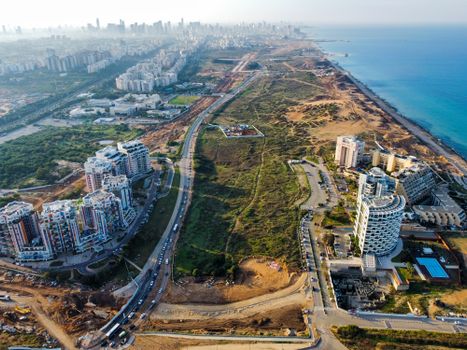
A Coastal Planner in the UK plays a crucial role in managing our valuable coastal areas. This involves developing strategies and policies to balance development with environmental protection, ensuring the long-term sustainability of our shorelines and coastal communities. You'd be involved in everything from assessing the impact of new developments (like offshore wind farms or coastal housing) to designing resilience plans against erosion and flooding. This career often entails extensive research, site visits, public consultation, and collaboration with a wide range of stakeholders, including local communities, environmental groups, developers, and other government agencies. It's a challenging but rewarding field for those passionate about the environment and sustainable development. Your day-to-day could involve reviewing planning applications, writing detailed reports, conducting environmental impact assessments, using Geographic Information Systems (GIS) to analyse data, and presenting your findings to committees or public forums. You'll need a strong understanding of UK planning law, environmental legislation, and coastal processes. The work is diverse, requiring a blend of scientific understanding, policy development, and community engagement skills. It's a dynamic sector constantly adapting to new environmental challenges and technological advancements, making it an exciting career choice for someone looking to make a tangible difference to the UK's coastline.

Coastal Planner

Flag Media

Please select a reason for flagging this content.

📊 Statistics

Average Salary Range

For an experienced Coastal Planner in the UK, salaries typically range from 35,000 to 55,000 per annum, though senior or principal roles can command upwards of 60,000. Entry-level positions might start from 25,000 to 30,000.

Job Market Outlook

The demand for Coastal Planners is stable and projected to grow, driven by increasing awareness of climate change, sea-level rise, and the need for sustainable coastal management. There are hundreds of active roles advertised annually across local authorities, consultancies, and environmental agencies.

Typical Employer Type

Approximately 40% of Coastal Planning roles are within local government (e.g., district or county councils), 35% are with private environmental or planning consultancies, and 25% are with governmental bodies such as the Environment Agency, Natural England, or academic institutions.

🚀 Careers in this path

Flag Media

Please select a reason for flagging this content.

Marine Conservation Officer

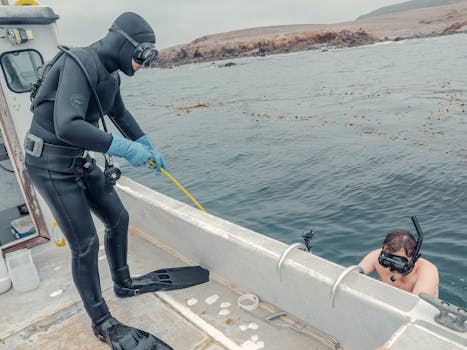
Focuses on protecting marine ecosystems, species, and habitats within coastal zones. This involves surveying, monitoring, and implementing conservation strategies, often working with local communities and government bodies.

Flag Media

Please select a reason for flagging this content.

Flood Risk Management Engineer

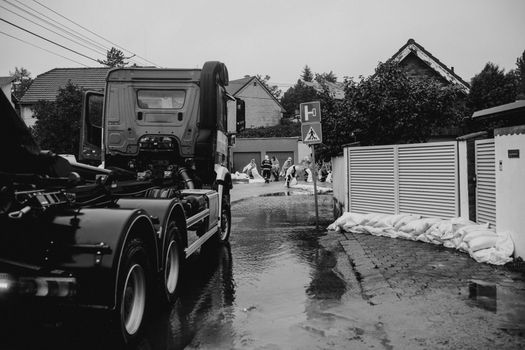
Specialises in designing and implementing strategies and infrastructure to mitigate the risk of flooding in coastal and riverine areas. This includes modelling flood events, developing defence schemes, and advising on sustainable drainage systems.

Flag Media

Please select a reason for flagging this content.

Coastal Geomorphologist

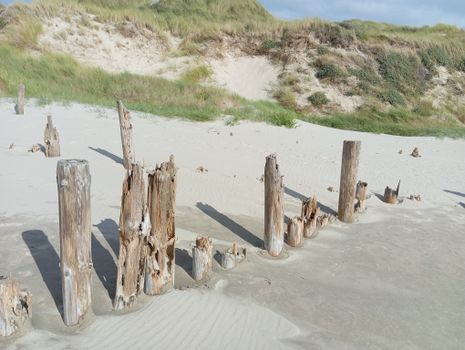
Studies the physical processes and landforms of the coast, such as erosion, accretion, and sea-level rise. This role involves fieldwork, data analysis, and providing expert advice on coastal change and its impact on planning and development.

Build Your Foundational Knowledge

Pursue a Relevant Degree

Obtain an undergraduate degree in a field such as Environmental Science, Geography, Oceanography, Marine Biology, Environmental Planning, or Civil Engineering with an environmental focus.

A strong academic background is essential. Look for programmes accredited by relevant professional bodies, such as the Royal Town Planning Institute (RTPI) or the Institution of Environmental Sciences (IES), as this can streamline your path to chartered status later on. Consider modules or specialisations in coastal management, climate change, GIS, or environmental law during your degree.

Gain Work Experience through Internships

Seek out internships or volunteer opportunities with environmental consultancies, local councils, government agencies (e.g., Environment Agency, Natural England), or charities focused on coastal or marine conservation.

Practical experience is invaluable. Even short-term placements can provide insight into the day-to-day work of coastal planning, help you build a professional network, and make your CV stand out. Focus on roles that involve data collection, report writing, GIS mapping, or community engagement related to environmental or planning projects.

Develop Key Skills

Focus on developing analytical skills, data interpretation, report writing, communication (both written and verbal), project management, and Geographical Information Systems (GIS) proficiency.

Coastal planning often involves complex data analysis and effective communication of findings to diverse stakeholders. Take online courses in GIS, practice technical writing, and participate in group projects to hone your project management and presentation skills. Understanding policy and legislation relevant to UK coastal areas is also crucial.

Specialise and Professionalise

Consider a Postgraduate Qualification

Many coastal planning roles, especially at a senior level, benefit from a Master's degree in a specialised area such as Coastal Management, Marine Planning, Environmental Policy, or Town Planning (if your undergraduate degree wasn't planning-specific).

A Master's can deepen your expertise, often providing a more direct route to professional accreditation and access to more advanced roles. Look for programmes that offer practical project work, fieldwork, and connections with industry partners. Some employers may even support postgraduate study.

Begin Your Career as a Junior Planner

Apply for entry-level positions such as Assistant Coastal Planner, Graduate Environmental Consultant, or Planning Officer with a focus on coastal or marine environments.

These roles will provide hands-on experience in areas like environmental impact assessments, policy development, public consultations, and project coordination. You'll learn to navigate the regulatory landscape and work alongside experienced professionals, building your portfolio of practical experience.

Work Towards Professional Chartership

Aim to achieve chartered status with a relevant professional body, such as the Royal Town Planning Institute (RTPI) or the Institution of Environmental Sciences (IES).

Chartership demonstrates a high level of professional competence and commitment. It typically involves a period of structured practical experience (often 2-3 years) and a final assessment. Being chartered significantly enhances your career prospects and professional credibility within the UK.

Advance Your Career and Impact

Specialise in a Niche Area

Over time, consider specialising in a particular aspect of coastal planning, such as flood risk management, marine renewable energy, coastal tourism, habitat restoration, or climate change adaptation.

Developing expertise in a niche area can make you a highly sought-after professional. This might involve additional training, contributing to specific projects, or even pursuing further research. Specialisation allows you to become a go-to expert in your chosen field.

Take on Leadership and Mentorship Roles

Progress to senior roles such as Senior Coastal Planner, Principal Planner, or Project Manager, where you will lead projects, manage teams, and mentor junior colleagues.

Leadership roles often involve greater responsibility, strategic decision-making, stakeholder management, and budget oversight. You'll be instrumental in shaping the direction of projects and guiding the professional development of others, further contributing to the field.

Contribute to Policy and Research

Engage with professional bodies, academic institutions, or government advisory groups to influence policy, share best practices, and contribute to research in coastal management and planning.

This stage allows you to make a broader impact beyond individual projects. By contributing to policy development or innovative research, you can help shape the future of sustainable coastal management in the UK and address critical environmental challenges at a larger scale.

🎬 Useful Videos

🎯 View Apprenticeships

Explore relevant apprenticeships that can help you kickstart your career in Coastal Planner. Apprenticeships offer hands-on experience and training while earning a wage.

Career Progressions

This page showcases various career options and the pathways to reach them. Each career listed here shares transferable skills and knowledge, making it easier for individuals to transition between them.

Your current career is highlighted to help you see how it fits into the broader landscape of potential career choices. By clicking on any career, you can learn more about it, including the training and education required to pursue it.

Remember, progressing in your career often involves further learning and training. This page provides insights into future career options as well as those that can lead up to your current one.

These career progression decisions are informed by comparing the skills and knowledge needed for different occupations, along with data on how people move between them. Explore the possibilities and discover the exciting journey ahead in your career!

Sample Qualifications

A Coastal Planner focuses on the planning and management of coastal zones, which involves land use, environmental protection, and development regulations, aligning closely with the broader responsibilities and qualifications of a Town Planner, albeit with a specialised geographic focus.

How to become

You can get into this job through:

  • a university course
  • an apprenticeship
  • working towards this role

University

You can study for a degree or a postgraduate qualification accredited by the Royal Town Planning Institute (RTPI).

Subjects include:

  • planning, environment and development
  • city and regional planning
  • geography and planning
  • urban planning and property development

You can do postgraduate qualification in planning if you have a degree in an unrelated subject.

Entry requirements

You'll usually need:

  • 2 to 3 A levels, or equivalent, for a degree
  • a degree in any subject for a postgraduate course

More Information

Apprenticeship

You could apply to do a Chartered Town Planner Level 7 Degree Apprenticeship.

This can take around 5 years to complete and is a mix of on-the-job training and study at university. Contact apprenticeship training providers for details.

Entry requirements

Most people following this route have:

  • 4 or 5 GCSEs at grades 9 to 4 (A* to C) and A levels, or equivalent, for a degree apprenticeship

More Information

Work

You could start as a town planning assistant with an organisation and take further training while you work.

You'll need the backing of your employer and you'll combine practical experience with part-time or distance learning study towards an accredited planning qualification.

Volunteering

You'll find it useful to get as much work experience as possible. This will give you a better understanding of the career, and the contacts you make may help you to find paid work.

You can search for companies listed by the Royal Town Planning Institute or contact your local council to ask about opportunities.

More Information

Professional and industry bodies

You could join the Royal Town Planning Institute for networking, events and professional development training opportunities.

Further information

You can find out more about careers in town planning from the Royal Town Planning Institute.

Interested in More Career Paths?

Explore other careers or use our AI to discover personalised paths based on your interests.

Stay connected

Join our newsletter to stay up to date on features and releases

Address
Developing Experts Limited
Exchange Street Buildings
35-37 Exchange Street
Norwich
NR2 1DP
UK

Phone
01603 273515

Email
[email protected]

Copyright 2026 Developing Experts, All rights reserved.
