


Creating Career Path...

Finding Further Careers...

Coastal Planner

View this career for different education levels:

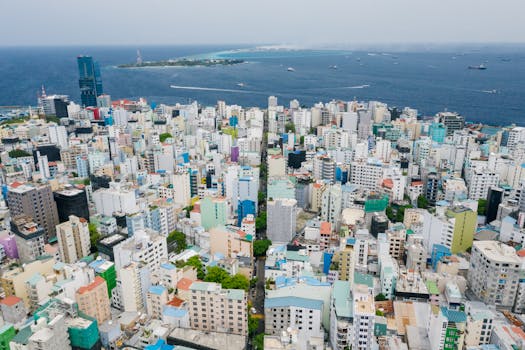
Imagine you live near the sea, and there are plans to build new homes, protect beaches from erosion, or create a new wildlife reserve. A Coastal Planner is like a super-smart problem-solver who makes sure all these things happen in the best way possible for both people and the environment. You'd be working to understand how the coast works, what impact different projects might have, and then creating plans that balance protecting nature with meeting the needs of communities. This could involve looking at maps, visiting coastal areas, talking to local people and scientists, and using your brain to come up with clever ideas to keep our beautiful UK coast safe and sustainable for everyone. Your job would involve thinking about things like rising sea levels, flood defences, protecting precious habitats for birds and marine life, and how new buildings might affect the view or access to the beach. You'd work with lots of different people, from engineers and scientists to local councils and community groups, to make sure plans are practical, legal, and good for the long-term future of our coasts. It's a really important role, helping to shape the future of some of the UK's most cherished and vulnerable landscapes.

Coastal Planner

Flag Media

Please select a reason for flagging this content.

📊 Statistics

Average Starting Salary

For someone just starting out as a Coastal Planner in the UK, you could expect to earn around 25,000 to 30,000 pounds per year.

Experienced Professional Salary

With more experience, a Coastal Planner in the UK could earn between 35,000 and 50,000 pounds annually, with some senior roles potentially reaching 60,000 pounds or more.

Demand for Professionals

The demand for environmental and planning professionals, including those focused on coastal areas, is steadily growing in the UK, driven by climate change concerns and development pressures.

🚀 Careers in this path

Flag Media

Please select a reason for flagging this content.

Marine Conservation Officer

This job is all about protecting our seas and the amazing animals that live in them. You'd help make sure our beaches and waters stay clean and safe, and maybe even work with sea turtles or dolphins!

Flag Media

Please select a reason for flagging this content.

Environmental Educator

Imagine teaching other people, maybe even kids your age, all about how important it is to look after our coastlines and natural world. You'd help run fun workshops and tell stories about nature.

Flag Media

Please select a reason for flagging this content.

Wildlife Ranger

As a Wildlife Ranger, you'd spend your time outdoors looking after specific areas, like a coastal nature reserve. You'd help monitor wildlife, keep paths tidy, and talk to visitors about the local environment.

Build a Strong Foundation

Excel in School Subjects

Focus on subjects like Geography, Sciences (especially Biology or Environmental Science), and Maths to understand the natural world and how to solve problems.

These subjects are really important because coastal planning involves understanding landforms, weather, ecosystems, and using data to make decisions. Geography helps you learn about places and people, while science teaches you about the environment and how it works. Maths is useful for analysing data and understanding budgets.

Explore Your Interests

Read books, watch documentaries, and visit coastal areas to learn more about the sea, beaches, and how people interact with them.

The more you learn about coasts now, the more you'll understand why this job is so important. Think about joining a local environmental club or even just spending time at the beach observing things like tides, erosion, and wildlife. This firsthand experience can be really inspiring and help you decide if this path is for you.

Develop Key Skills

Practice your problem-solving, teamwork, and communication skills, as these are vital for working with different people and challenges.

Coastal planners often work in teams and need to explain complex ideas to people who might not know much about planning or the environment. Being a good listener and being able to clearly share your ideas will be really helpful. Getting involved in school projects or debates can be a great way to build these skills.

Further Your Education

Choose A-Levels Wisely

For sixth form, consider A-Levels in Geography, Environmental Science, Biology, or even Maths to prepare for university.

Universities often look for students with a good grasp of these subjects for degrees related to environmental planning or geography. Having a strong foundation in these areas will make your university studies much easier and more enjoyable, as you'll already have some basic knowledge.

Pursue a University Degree

Look for a degree in a relevant field like Geography, Environmental Planning, Coastal Management, or Marine Biology.

A Bachelor's degree is usually the minimum requirement for a Coastal Planner role. Programmes in these areas will teach you specific theories, techniques, and policies related to managing coastal environments. Research different university courses to find one that focuses on aspects of coastal planning that interest you most.

Consider a Masters Degree

Many professional planners go on to complete a Masters degree for specialised knowledge and improved job prospects.

A Masters (MSc) in a field like 'Coastal and Marine Management', 'Environmental Planning and Management', or 'Urban and Regional Planning' with a coastal specialism can give you a significant advantage. It allows you to delve deeper into complex issues and often includes practical project work or research, which is great for building expertise.

Gain Professional Experience

Seek Internships and Work Experience

Try to get internships with environmental charities, local councils, or engineering firms that work on coastal projects.

Internships are fantastic for getting real-world experience and seeing what the job is actually like. You'll meet people working in the field and start to build your professional network. Even a few weeks or months of work experience can be incredibly valuable on your CV.

Volunteer for Coastal Projects

Volunteer with organisations involved in beach cleans, habitat restoration, or coastal monitoring.

Volunteering shows dedication and passion, and it's a great way to learn practical skills that are useful in coastal planning. It also helps you understand the challenges faced by local communities and the environment. Look for local wildlife trusts or environmental groups near the coast.

Join Professional Bodies

Once you're at university or working, consider joining organisations like the Royal Town Planning Institute (RTPI) or the Institute of Environmental Management & Assessment (IEMA).

These professional bodies offer resources, networking opportunities, and often have specific pathways to becoming a chartered professional. Being a member shows your commitment to the profession and can open doors to mentorship and continued learning, which are important for your career development.

🎬 Useful Videos

🎯 View Apprenticeships

Explore relevant apprenticeships that can help you kickstart your career in Coastal Planner. Apprenticeships offer hands-on experience and training while earning a wage.

Career Progressions

This page showcases various career options and the pathways to reach them. Each career listed here shares transferable skills and knowledge, making it easier for individuals to transition between them.

Your current career is highlighted to help you see how it fits into the broader landscape of potential career choices. By clicking on any career, you can learn more about it, including the training and education required to pursue it.

Remember, progressing in your career often involves further learning and training. This page provides insights into future career options as well as those that can lead up to your current one.

These career progression decisions are informed by comparing the skills and knowledge needed for different occupations, along with data on how people move between them. Explore the possibilities and discover the exciting journey ahead in your career!

Sample Qualifications

A Coastal Planner primarily focuses on spatial planning, land use, and environmental management within coastal zones, which closely aligns with the broader responsibilities of a Town Planner who deals with the development and use of land and buildings in a specified area, often including environmental considerations.

How to become

You can get into this job through:

  • a university course
  • an apprenticeship
  • working towards this role

University

You can study for a degree or a postgraduate qualification accredited by the Royal Town Planning Institute (RTPI).

Subjects include:

  • planning, environment and development
  • city and regional planning
  • geography and planning
  • urban planning and property development

You can do postgraduate qualification in planning if you have a degree in an unrelated subject.

Entry requirements

You'll usually need:

  • 2 to 3 A levels, or equivalent, for a degree
  • a degree in any subject for a postgraduate course

More Information

Apprenticeship

You could apply to do a Chartered Town Planner Level 7 Degree Apprenticeship.

This can take around 5 years to complete and is a mix of on-the-job training and study at university. Contact apprenticeship training providers for details.

Entry requirements

Most people following this route have:

  • 4 or 5 GCSEs at grades 9 to 4 (A* to C) and A levels, or equivalent, for a degree apprenticeship

More Information

Work

You could start as a town planning assistant with an organisation and take further training while you work.

You'll need the backing of your employer and you'll combine practical experience with part-time or distance learning study towards an accredited planning qualification.

Volunteering

You'll find it useful to get as much work experience as possible. This will give you a better understanding of the career, and the contacts you make may help you to find paid work.

You can search for companies listed by the Royal Town Planning Institute or contact your local council to ask about opportunities.

More Information

Professional and industry bodies

You could join the Royal Town Planning Institute for networking, events and professional development training opportunities.

Further information

You can find out more about careers in town planning from the Royal Town Planning Institute.

Interested in More Career Paths?

Explore other careers or use our AI to discover personalised paths based on your interests.

Stay connected

Join our newsletter to stay up to date on features and releases

Address
Developing Experts Limited
Exchange Street Buildings
35-37 Exchange Street
Norwich
NR2 1DP
UK

Phone
01603 273515

Email
[email protected]

Copyright 2026 Developing Experts, All rights reserved.