
Creating Career Path...

Finding Further Careers...

Coastal Geomorphologist

View this career for different education levels:

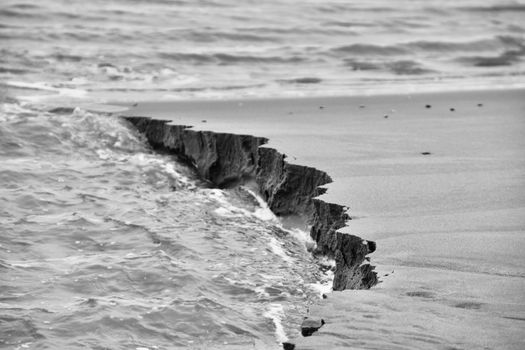
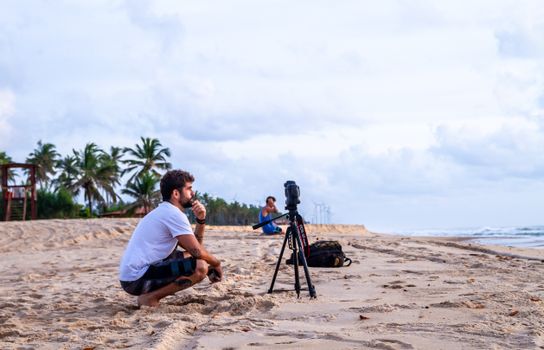
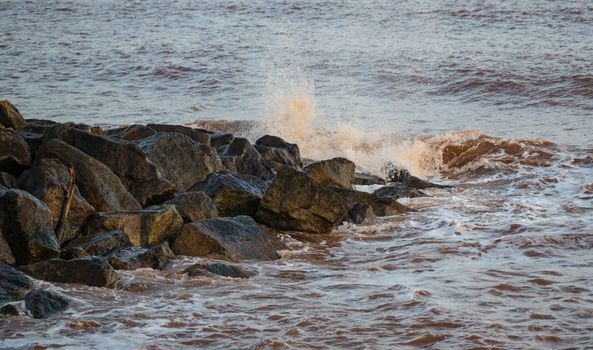
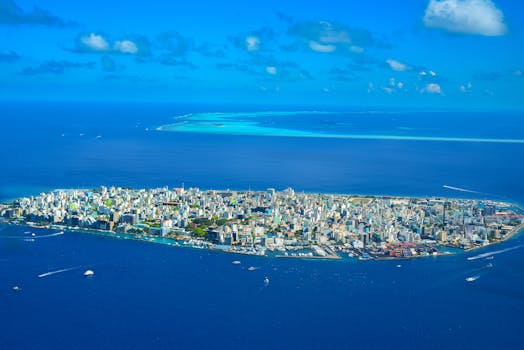
A Coastal Geomorphologist is a scientific expert who studies the physical processes and landforms of coastlines, estuaries, and nearshore environments. Their work involves understanding how natural forces like waves, tides, currents, wind, and sediment transport shape our coasts over various timescales. This can range from daily changes on a beach to long-term evolution over centuries, influenced by factors such as sea level rise and tectonic activity. They use a variety of techniques including fieldwork (collecting samples, surveying topography), remote sensing (satellite imagery, LiDAR), laboratory analysis, and computational modelling to interpret coastal dynamics and predict future changes. Their expertise is crucial for a wide range of applications in the UK. This includes informing coastal defence strategies, such as the design of sea walls or managed realignment projects, assessing the impact of climate change on coastal erosion and flooding, and advising on sustainable management practices for coastal resources. They often work on projects related to infrastructure development, environmental impact assessments, and conservation efforts, collaborating with engineers, planners, ecologists, and policymakers to ensure the resilience and sustainability of the UK's valuable coastal areas.

Coastal Geomorphologist

Flag Media

Please select a reason for flagging this content.

📊 Statistics

Typical Salary Range

Starting salaries for Coastal Geomorphologists in the UK typically range from 25,000 to 35,000 pounds. Experienced professionals can earn between 35,000 to 50,000 pounds, with senior roles or consultancy positions potentially exceeding 60,000 pounds annually.

Job Market Demand

While not a high-volume career, the demand for specialists in coastal management and climate change adaptation in the UK is steady. Positions are often found within environmental consultancies, government agencies (like the Environment Agency), universities, and research institutions. The increasing focus on climate change resilience and flood defence ensures ongoing need for these experts.

Educational Requirement

A good undergraduate degree (2:1 or higher) in subjects like Physical Geography, Geology, Oceanography, or Environmental Science is usually essential. Many Coastal Geomorphologists also pursue postgraduate qualifications, such as a Masters or PhD, especially for research-focused or senior roles, to gain specialised expertise in coastal processes or modelling.

🚀 Careers in this path

Flag Media

Please select a reason for flagging this content.

Coastal Sedimentologist

Focuses on the study of sediments found in coastal environments, understanding their movement, deposition, and the processes that shape beaches, dunes, and estuaries. This involves fieldwork, lab analysis, and modelling.

Flag Media

Please select a reason for flagging this content.

Coastal Engineer

Applies engineering principles to design and implement solutions for coastal protection, management of erosion, flood defence, and infrastructure in coastal zones, often working with geomorphologists to understand natural processes.

Flag Media

Please select a reason for flagging this content.

Marine Spatial Planner

Develops and implements plans for the sustainable use and management of marine and coastal areas. This involves balancing economic development, environmental protection, and social needs, often incorporating geomorphological data for site assessment and impact prediction.

Build Your Foundational Knowledge

Achieve Strong A-Levels or Equivalent

Focus on subjects that provide a strong scientific foundation, particularly Geography, Environmental Science, Geology, or other related sciences.

For entry into a relevant university degree, most UK universities will require good grades in at least two, often three, A-levels. Geography is almost essential, and combining it with another science subject like Environmental Science, Biology, Chemistry, or Physics will strengthen your application. Mathematics can also be highly beneficial for quantitative aspects of the field. Explore BTEC qualifications in relevant areas if A-levels aren't your preferred route.

Undertake a Relevant Undergraduate Degree

Pursue a Bachelor's degree in a subject such as Geography, Earth Sciences, Environmental Science, Marine Science, or Oceanography.

A BSc (Bachelor of Science) degree is typically preferred for this scientific field. Look for programmes that offer modules in physical geography, geomorphology, oceanography, GIS (Geographic Information Systems), remote sensing, and fieldwork opportunities. Research specific universities and their course content to ensure it aligns with a specialisation in coastal environments. Consider integrated Master's (MSci) programmes if you're certain about advanced study.

Gain Fieldwork Experience

Actively participate in university fieldwork programmes and seek out opportunities for independent coastal data collection and analysis.

Fieldwork is crucial for developing practical skills in coastal geomorphology. Your degree course should offer compulsory fieldwork modules, but also look for voluntary opportunities, summer schools, or research projects where you can apply theoretical knowledge in real-world coastal settings. Learning how to collect, analyse, and interpret data from beaches, dunes, or estuaries will be invaluable for your future career.

Specialise and Advance Your Expertise

Complete a Master's Degree

Undertake a Master's (MSc) in a specialised area like Coastal Geomorphology, Coastal Management, or Oceanography.

A Master's degree is highly recommended, and often essential, for a career as a Coastal Geomorphologist. It allows you to delve deeper into specific topics, develop advanced research skills, and often includes a significant research project or dissertation. Look for programmes that offer practical training in specialist techniques such as drone mapping, LiDAR, advanced GIS, and numerical modelling. This postgraduate qualification will significantly enhance your employability.

Undertake Internships or Volunteering

Seek internships, placements, or volunteering opportunities with environmental consultancies, government agencies, or research institutions.

Practical experience outside of academia is incredibly valuable. Look for opportunities with organisations such as the Environment Agency, local councils (coastal defence teams), National Trust, wildlife trusts, or private environmental consultancies. These roles can provide hands-on experience in data collection, report writing, environmental impact assessments, and coastal monitoring programmes, helping you build a professional network and understand real-world challenges.

Develop Technical Skills

Become proficient in key software and techniques relevant to coastal analysis, such as GIS, remote sensing, and statistical modelling.

Beyond theoretical knowledge, employers highly value practical technical skills. Invest time in becoming proficient with GIS software (e.g., ArcGIS, QGIS) for mapping and spatial analysis, remote sensing techniques (satellite imagery, aerial photography, LiDAR), and statistical software (e.g., R, Python) for data analysis. Understanding numerical models for simulating coastal processes will also set you apart. Many universities offer short courses or workshops to develop these skills.

Enter the Professional World

Apply for Entry-Level Roles

Look for positions such as 'Graduate Coastal Scientist', 'Assistant Geomorphologist', 'Environmental Consultant', or 'Coastal Officer'.

Your first professional role will often be an entry-level position within an environmental consultancy, a government body like the Environment Agency or Natural England, local authorities, or even academic research support. Tailor your CV and cover letter to highlight your specific coastal geomorphology skills, fieldwork experience, and technical proficiencies. Be prepared to discuss your Master's research project and how it applies to real-world scenarios.

Join Professional Organisations

Become a member of relevant professional bodies such as the Geological Society of London or the Royal Geographical Society (with IBG).

Joining professional organisations can provide access to networking events, conferences, workshops, and continuing professional development (CPD) opportunities. These bodies often offer professional accreditation, which can enhance your credibility and demonstrate your commitment to ethical practice and ongoing learning in the field. They also provide valuable resources and job boards specific to geoscience and environmental professions.

Pursue Continuous Professional Development

Stay updated with the latest research, technologies, and policy changes in coastal science and management.

The field of coastal geomorphology is constantly evolving, particularly with climate change impacts. Attend webinars, workshops, and conferences, read scientific journals, and consider undertaking short courses in emerging technologies or methodologies. Continuous learning ensures your skills remain current and relevant, fostering career progression into more senior roles such as 'Senior Coastal Geomorphologist' or 'Coastal Project Manager'.

🎬 Useful Videos

🎯 View Apprenticeships

Explore relevant apprenticeships that can help you kickstart your career in Coastal Geomorphologist. Apprenticeships offer hands-on experience and training while earning a wage.

Career Progressions

This page showcases various career options and the pathways to reach them. Each career listed here shares transferable skills and knowledge, making it easier for individuals to transition between them.

Your current career is highlighted to help you see how it fits into the broader landscape of potential career choices. By clicking on any career, you can learn more about it, including the training and education required to pursue it.

Remember, progressing in your career often involves further learning and training. This page provides insights into future career options as well as those that can lead up to your current one.

These career progression decisions are informed by comparing the skills and knowledge needed for different occupations, along with data on how people move between them. Explore the possibilities and discover the exciting journey ahead in your career!

Sample Qualifications

A Coastal Geomorphologist studies the physical features and processes of coastlines, which aligns directly with the scope of an Oceanographer, who studies all aspects of the ocean, including its physical characteristics, coastlines, and geological features.

How to become

You can get into this job through a university course.

University

You can study for a degree in oceanography or a related subject, like:

  • ocean science
  • geology
  • physics
  • marine science
  • biology or chemistry
  • environmental science

Employers often look for students with postgraduate qualifications, like a master's degree or PhD. They also value experience of working in marine science, engineering or oceanographic research.

You can get experience by choosing a course that includes work placements or internships with a marine company or research centre.

You can find marine companies and research organisations through the Society for Underwater Technology.

Entry requirements

You'll usually need:

  • 5 GCSEs at grades 9 to 4 (A* to C), or equivalent, including English, maths and science
  • 3 A levels, or equivalent, including at least 1 science
  • a degree in a relevant subject for postgraduate study

More Information

More Information

Career tips

You could contact marine companies to see if you could work with them on a project as part of your university dissertation or postgraduate research. This would allow you to build up contacts in the industry, who may be able to help you find work once you complete your studies.

Further information

You can find out more about becoming an oceanographer from the:

Interested in More Career Paths?

Explore other careers or use our AI to discover personalised paths based on your interests.

Stay connected

Join our newsletter to stay up to date on features and releases

Address
Developing Experts Limited
Exchange Street Buildings
35-37 Exchange Street
Norwich
NR2 1DP
UK

Phone
01603 273515

Email
[email protected]

Copyright 2026 Developing Experts, All rights reserved.
