
Creating Career Path...

Finding Further Careers...

Coastal Geomorphologist

View this career for different education levels:

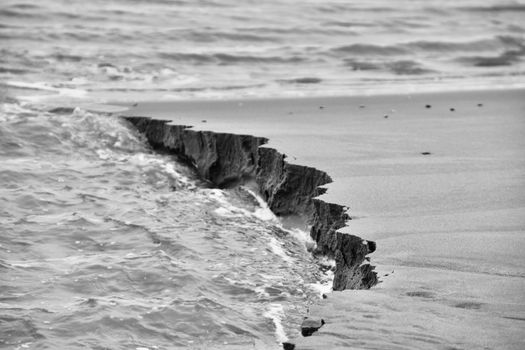
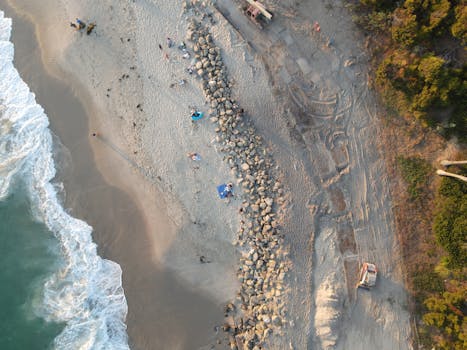
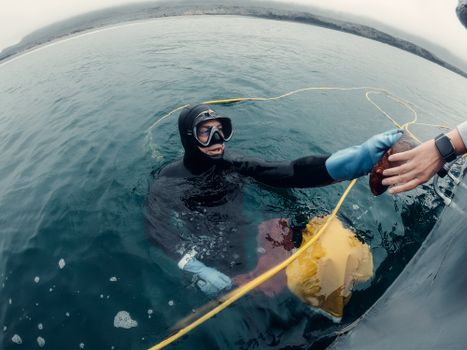
Imagine you love building sandcastles and watching how the waves change the beach. Well, a Coastal Geomorphologist is a bit like a super-smart detective who studies how our coasts and beaches are made and how they change over time. They look at things like sand dunes, cliffs, and estuaries, which are places where rivers meet the sea. They try to understand how the wind, waves, and tides shape these areas and what happens when there are big storms or if the sea levels change. They might visit beaches, use special tools to measure things, and even fly drones to take pictures from above. Their work is super important because it helps us protect our beautiful coastlines and the homes and animals that live there from things like erosion or flooding. So, if you love spending time outdoors, especially near the sea, and are curious about how the Earth works, this could be a really exciting job for you! They help us understand why some beaches have lots of pebbles and others have soft sand, and how fast cliffs might be wearing away. They might work with engineers to build sea defences, or with town planners to decide where it's safe to build new houses near the coast. They are like the protectors of our shores, making sure we look after them for a very long time.

Coastal Geomorphologist

Flag Media

Please select a reason for flagging this content.

📊 Statistics

Average Starting Salary

A Coastal Geomorphologist just starting out might expect to earn around 20,000 to 25,000 pounds a year in the UK. This is like pocket money for grown-ups who are still learning!

Experienced Salary

With more experience, a Coastal Geomorphologist can earn between 30,000 and 45,000 pounds a year. Some very experienced ones can even earn more, especially if they are in charge of big projects.

Job Openings

There are not thousands of these jobs every year, but there are always opportunities. Many jobs are with environmental companies, universities, or local councils in places near the sea across the UK.

🚀 Careers in this path

Flag Media

Please select a reason for flagging this content.

Beach Detective

Imagine being a super detective, but instead of solving mysteries with people, you solve mysteries about beaches! You'd look for clues like how the sand moves, what kind of rocks are on the beach, and how the waves change the shape of the shore. You'd help design cool new play areas on the beach or figure out how to keep the sand from washing away when there's a big storm. You'd be a protector of our lovely British beaches!

Flag Media

Please select a reason for flagging this content.

Seaside Storyteller

You get to tell the story of the seaside! You'd learn all about how our coasts change over time, like how cliffs crumble or new sandbanks appear. Then, you'd share these amazing stories with others, perhaps by drawing maps of the coastline, making little models of lighthouses and cliffs, or even writing your own books about how the sea shapes the land. You'd help people understand and love our UK coastlines even more.

Flag Media

Please select a reason for flagging this content.

Ocean Shoreline Keeper

As an Ocean Shoreline Keeper, your job is to look after the edges where the land meets the sea. You'd explore different parts of the coast, from sandy beaches to rocky shores and muddy estuaries. You'd help count the different types of crabs and shellfish, watch where the tide goes in and out, and make sure that our coastlines are healthy and safe for all the creatures that live there, as well as for people to visit and enjoy.

Learning About Coasts

Explore Your Local Beach

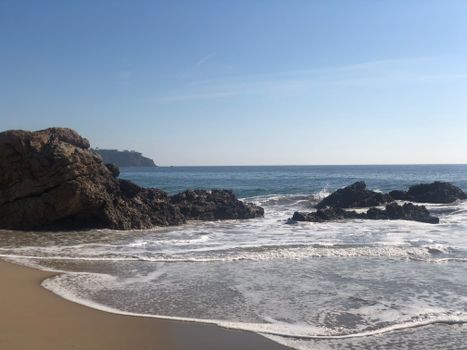
Visit a beach or coastline near you and look closely at the sand, pebbles, and water. What do you see?

When you visit, pay attention to how the waves move the sand. Can you see different types of rocks? Notice if there are any cliffs or dunes. Think about why the beach looks the way it does. You could even draw what you see in a notebook!

Read Books About the Sea

Find exciting books about oceans, beaches, and how the Earth changes. Look for pictures of different coastlines.

Libraries have lots of fantastic books about nature, science, and the sea. Ask your grown-ups to help you find books about coastal animals, erosion, or even famous coastlines around the world. The more you read, the more you'll learn about how amazing our planet is.

Watch Documentaries

Watch nature shows or documentaries about oceans, coastlines, and geography. They often show cool places and how they change.

There are many wonderful TV programmes and videos online that explore the natural world. Look for shows about marine life, volcanoes, or how landscapes are formed. These can be a really fun way to see different coastlines and understand the science behind them.

Growing Your Knowledge

Do Well in Science at School

Pay attention in your science lessons, especially when you learn about the Earth, water, and weather.

Science is super important for understanding coasts. Learning about rocks, water cycles, and natural forces like wind and waves will give you a great start. Ask your teachers questions if you're curious about how things work in nature.

Join a Beach Clean-up

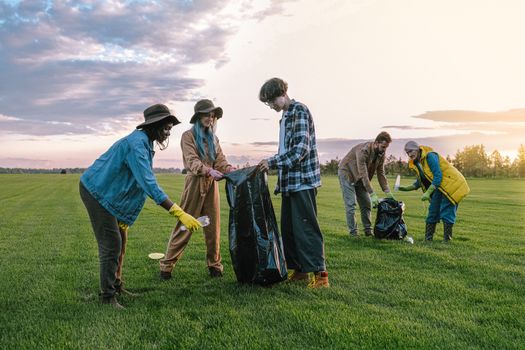
Help keep our beaches tidy. This shows you care about the coast and helps you see it up close.

Taking part in a beach clean-up is a brilliant way to spend time at the coast and help the environment. You'll see first-hand some of the challenges our beaches face and you'll be helping to protect the animals that live there. It's a great way to meet people who also care about the environment.

Visit a Museum

Go to a natural history museum. They often have exhibits about geology, oceans, and how the Earth was formed.

Museums are treasure troves of information! Look for sections on geology, rocks, or marine life. You might see models of different landforms or learn about ancient oceans. Some museums even have special events or workshops for children that explore these topics.

Becoming a Coastal Expert

Study at University

When you're older, you'll need to go to university to study subjects like Geography, Geology, or Environmental Science.

To become a Coastal Geomorphologist, you'll typically need to earn a university degree. Courses like Physical Geography, Geology, Oceanography, or Environmental Science are excellent choices. These subjects teach you about the Earth's processes, how landscapes are formed, and the impact of climate change on coastlines. It's where you'll learn all the scientific tools and theories needed for this job.

Learn Fieldwork Skills

Coastal geomorphologists spend a lot of time outside. You'll learn how to measure things like sand movement and wave height.

A big part of this job is 'fieldwork', which means doing research outside. You'll learn how to use special equipment to measure beach profiles, take samples of sand and water, and observe coastal changes. These hands-on skills are vital for understanding what's happening on the ground (or on the beach!). Universities often include fieldwork trips as part of their courses.

Consider Further Study

After your first degree, you might want to do a Masters or PhD to become a super-expert in a specific area of coastal science.

Some Coastal Geomorphologists choose to continue their studies after their first degree, by doing a Master's degree or even a PhD. This allows them to specialise in a particular area, like sea level rise, coastal erosion, or how specific types of waves affect beaches. This extra study can open up more advanced research or teaching opportunities in universities or government agencies.

🎬 Useful Videos

🎯 View Apprenticeships

Explore relevant apprenticeships that can help you kickstart your career in Coastal Geomorphologist. Apprenticeships offer hands-on experience and training while earning a wage.

Career Progressions

This page showcases various career options and the pathways to reach them. Each career listed here shares transferable skills and knowledge, making it easier for individuals to transition between them.

Your current career is highlighted to help you see how it fits into the broader landscape of potential career choices. By clicking on any career, you can learn more about it, including the training and education required to pursue it.

Remember, progressing in your career often involves further learning and training. This page provides insights into future career options as well as those that can lead up to your current one.

These career progression decisions are informed by comparing the skills and knowledge needed for different occupations, along with data on how people move between them. Explore the possibilities and discover the exciting journey ahead in your career!

Sample Qualifications

A Coastal Geomorphologist studies the physical features and processes of coastlines, which aligns directly with the scope of an Oceanographer, who examines all aspects of the ocean, including its physical characteristics, coastlines, and geological features.

How to become

You can get into this job through a university course.

University

You can study for a degree in oceanography or a related subject, like:

  • ocean science
  • geology
  • physics
  • marine science
  • biology or chemistry
  • environmental science

Employers often look for students with postgraduate qualifications, like a master's degree or PhD. They also value experience of working in marine science, engineering or oceanographic research.

You can get experience by choosing a course that includes work placements or internships with a marine company or research centre.

You can find marine companies and research organisations through the Society for Underwater Technology.

Entry requirements

You'll usually need:

  • 5 GCSEs at grades 9 to 4 (A* to C), or equivalent, including English, maths and science
  • 3 A levels, or equivalent, including at least 1 science
  • a degree in a relevant subject for postgraduate study

More Information

More Information

Career tips

You could contact marine companies to see if you could work with them on a project as part of your university dissertation or postgraduate research. This would allow you to build up contacts in the industry, who may be able to help you find work once you complete your studies.

Further information

You can find out more about becoming an oceanographer from the:

Interested in More Career Paths?

Explore other careers or use our AI to discover personalised paths based on your interests.

Stay connected

Join our newsletter to stay up to date on features and releases

Address
Developing Experts Limited
Exchange Street Buildings
35-37 Exchange Street
Norwich
NR2 1DP
UK

Phone
01603 273515

Email
[email protected]

Copyright 2026 Developing Experts, All rights reserved.
