

Creating Career Path...

Finding Further Careers...

Land Surveyor

View this career for different education levels:

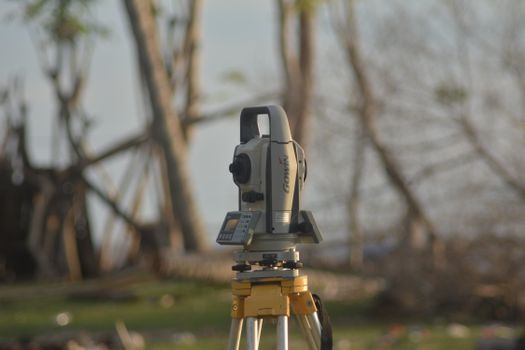
Imagine you need to build a new school or a big new road. How do you know exactly where to put it or how big the land is? That's where a Land Surveyor comes in! They are like super-detectives of the land. They use special tools, like laser pointers and GPS devices, to measure distances, angles, and heights of the land very, very carefully. They find out exactly where boundaries are, how hilly the land is, or if it's flat. All this information helps engineers and builders design and build things correctly and safely. Sometimes they even look at old maps to see how the land used to be! They spend a lot of time working outdoors, no matter the weather, and also some time in an office drawing up their findings on computers. Being a Land Surveyor means you get to explore different places and see how big projects start from the very beginning. You need to be good at maths, enjoy solving puzzles, and love being outside. It's a very important job because without accurate measurements, buildings might not be straight, or roads might not go in the right direction! They make sure everyone knows exactly what's what on a piece of land before any digging or building begins. It's like drawing a very precise picture of the ground so everyone can understand it.

Land Surveyor

Flag Media

Please select a reason for flagging this content.

📊 Statistics

Average Starting Salary

A new Land Surveyor in the UK can expect to earn around 20,000 to 25,000 pounds per year.

Experienced Salary Range

With more experience, a Land Surveyor can earn between 30,000 and 50,000 pounds per year. Very experienced surveyors can earn even more.

Job Growth

There are always new buildings, roads, and projects in the UK, so there's a steady need for Land Surveyors. The industry is expected to grow, offering good job prospects.

🚀 Careers in this path

Flag Media

Please select a reason for flagging this content.

Map Maker

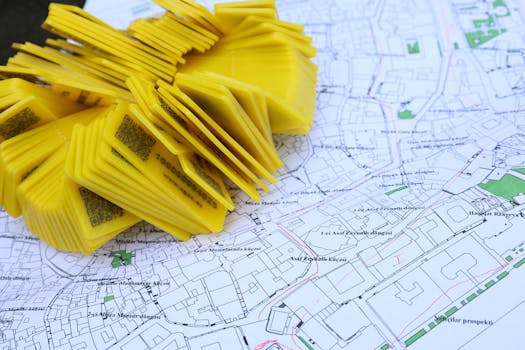
Imagine you have a magic drawing board that helps you draw really accurate maps of places, like your school playground or your local park! You'd measure things and make sure every path, tree, and building is in exactly the right spot on your map. You could even use special tools, like a big measuring tape and a cool tripod, to help you get everything right.

Flag Media

Please select a reason for flagging this content.

Treasure Hunter's Assistant

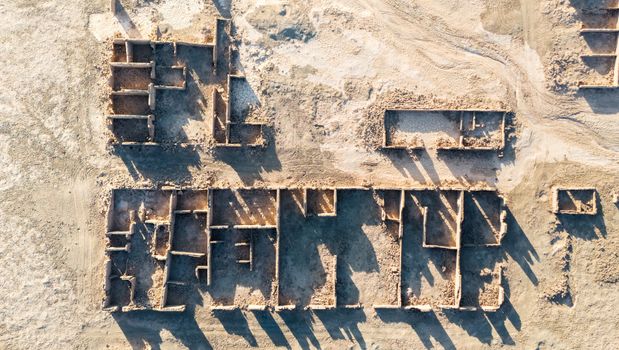
When people are looking for things like buried treasure or old bones, they need someone to help them know exactly where to dig! You would use special tools to mark out spots on the ground, making sure the treasure hunters know precisely where to start their adventure. You'd be like a guide, but for digging!

Flag Media

Please select a reason for flagging this content.

Building Site Helper

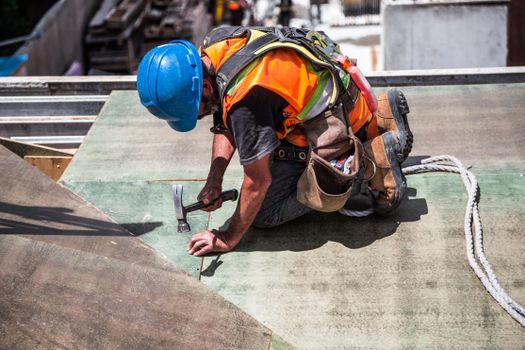
Before someone can build a new house, a new school, or even a new shop, they need to know exactly where everything should go. You would help measure the land, put up little flags or markers, and make sure the builders know exactly where the walls should be and where the doors should go. You'd be helping to lay out the whole plan!

Learning About Land

Explore Your Surroundings

Start by looking at maps and playing with measuring tapes at home or school.

You can find maps online or in books. Try measuring the length of your room, the garden, or even your toys with a measuring tape. This helps you understand how we measure distances and sizes in the real world.

Learn About Numbers and Shapes

Pay attention in your maths lessons, especially when you learn about shapes like squares and triangles, and how to measure things.

Land surveyors use lots of maths, like geometry, to understand shapes and angles on the land. Learning about these now will give you a great head start for when you need to calculate distances and areas in the future.

Go on a Local Adventure

Ask a grown-up to take you to a park or a new area and look at how the land is shaped. Are there hills? Flat parts? Rivers?

When you explore different places, try to notice how things are built and where they are placed. Think about how a surveyor would have measured that land before anything was built there. You might even spot some boundary markers or survey points.

Building Your Knowledge

Study Hard at School

Focus on subjects like Maths, Geography, and Science. These are super important for a land surveyor.

Maths helps you with calculations, Geography helps you understand maps and the Earth, and Science helps you understand the tools surveyors use. Doing well in these subjects now will make later learning much easier.

Join a Cub or Scout Group

These groups often teach about maps, compasses, and navigating outdoors, which is very useful.

Cubs and Scouts have badges you can earn for things like map reading, hiking, and understanding the environment. These activities are a fun way to learn practical skills that a land surveyor uses every day in their job.

Learn About Technology

Understand how computers and different gadgets work. Surveyors use lots of high-tech equipment.

Modern land surveyors use very clever tools like GPS (Global Positioning System) and drones. Learning how computers and other technology work will help you understand and use these advanced tools in the future.

Becoming a Surveyor

Choose Further Education

After school, you could go to college or university to study a special course like Surveying or Civil Engineering.

There are specific courses designed to teach you everything you need to know to become a qualified land surveyor. These courses will cover advanced maths, how to use all the specialist equipment, and the legal aspects of land boundaries.

Get Hands-On Experience

Try to find places where you can see surveyors working or even do some work experience when you're older.

Gaining practical experience is really important. This could be through an apprenticeship, a summer job, or just observing experienced surveyors. Seeing the job in action helps you understand what it's truly like and apply what you've learned in your studies.

Become a Qualified Professional

Join a professional group, like the RICS (Royal Institution of Chartered Surveyors), to become a qualified and recognised surveyor.

Becoming a 'chartered' surveyor means you're officially recognised as an expert in your field. This involves passing professional assessments and showing you have the right knowledge and experience to do the job well and safely. It opens up many opportunities in the surveying world.

🎬 Useful Videos

🎯 View Apprenticeships

Explore relevant apprenticeships that can help you kickstart your career in Land Surveyor. Apprenticeships offer hands-on experience and training while earning a wage.

Career Progressions

This page showcases various career options and the pathways to reach them. Each career listed here shares transferable skills and knowledge, making it easier for individuals to transition between them.

Your current career is highlighted to help you see how it fits into the broader landscape of potential career choices. By clicking on any career, you can learn more about it, including the training and education required to pursue it.

Remember, progressing in your career often involves further learning and training. This page provides insights into future career options as well as those that can lead up to your current one.

These career progression decisions are informed by comparing the skills and knowledge needed for different occupations, along with data on how people move between them. Explore the possibilities and discover the exciting journey ahead in your career!

Sample Qualifications

The input career 'Land Surveyor' directly matches the official job title 'Land surveyor' from the provided list. The qualifications and duties are identical.

How to become

You can get into this job through:

  • a university course
  • an apprenticeship
  • a graduate training scheme

University

You'll usually need a relevant degree or postgraduate qualification, accredited by the Royal Institution of Chartered Surveyors.

Relevant subjects include:

  • surveying
  • civil engineering
  • geomatics
  • geographical information science

You may be able to do a postgraduate conversion course if your first degree is not related to surveying.

Entry requirements

You'll usually need:

  • 4 or 5 GCSEs at grades 9 to 4 (A* to C), or equivalent, including English and maths
  • 2 to 3 A levels, or equivalent, for a degree
  • a degree in any subject for a postgraduate course

More Information

Apprenticeship

You could apply to do Geospatial and Mapping Science Level 6 Degree Apprenticeship, or a Spatial Data Specialist Level 7 Degree Apprenticeship.

Entry requirements

You'll usually need:

  • 4 or 5 GCSEs at grades 9 to 4 (A* to C) and A levels, or equivalent, for a degree apprenticeship

More Information

Other Routes

You could get a postgraduate qualification through a graduate trainee scheme.

You could also get a graduate diploma in surveying by distance learning, with the University of the Built Environment, if you're working for a surveying practice.

More Information

Registration

Professional and industry bodies

You can join the Royal Institution of Chartered Surveyors for professional recognition, training opportunities and to make industry contacts.

Further information

You can find out more about becoming a land surveyor from the Royal Institution of Chartered Surveyors and The Survey Association.

Interested in More Career Paths?

Explore other careers or use our AI to discover personalised paths based on your interests.

Stay connected

Join our newsletter to stay up to date on features and releases

Address
Developing Experts Limited
Exchange Street Buildings
35-37 Exchange Street
Norwich
NR2 1DP
UK

Phone
01603 273515

Email
[email protected]

Copyright 2026 Developing Experts, All rights reserved.
