Creating Career Path...

Finding Further Careers...

Geographer

View this career for different education levels:

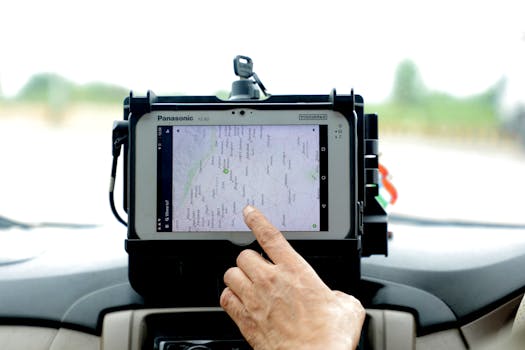
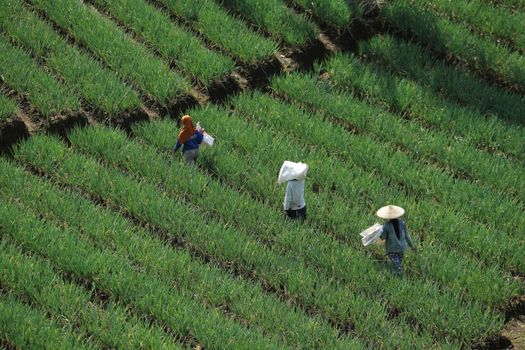
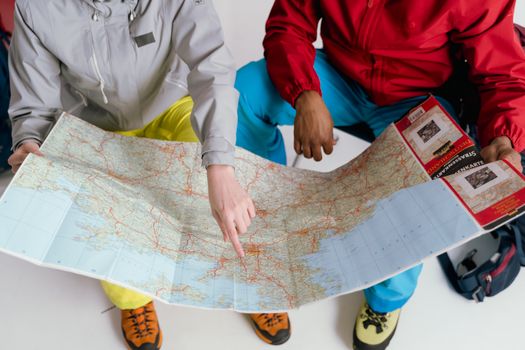
A Geographer is a professional who studies the Earths landscapes, environments, peoples, and phenomena. This diverse field involves understanding the spatial distribution of both natural and human features, and the interactions between them. In the UK, Geographers apply their analytical and problem-solving skills to a wide range of issues, from climate change and resource management to urban planning and social inequality. They often use advanced tools such as Geographic Information Systems GIS to collect, analyse, and visualise spatial data, helping to inform policy decisions and solve real-world problems. The career path can lead to roles in environmental protection, urban development, natural hazard assessment, and even international development, requiring a keen eye for detail and a strong ability to interpret complex data. Working as a Geographer in the UK often involves a mix of fieldwork, data analysis, and report writing. You might find yourself conducting site surveys, analysing satellite imagery, creating maps, or developing strategies for sustainable development. Many roles require strong communication skills to present findings to clients, stakeholders, or the public. The interdisciplinary nature of geography means that you could be collaborating with engineers, planners, scientists, and policymakers, making it a dynamic and intellectually stimulating career. Whether you are passionate about understanding climate patterns, designing efficient transport networks, or conserving biodiversity, a career as a Geographer offers numerous opportunities to make a tangible impact.

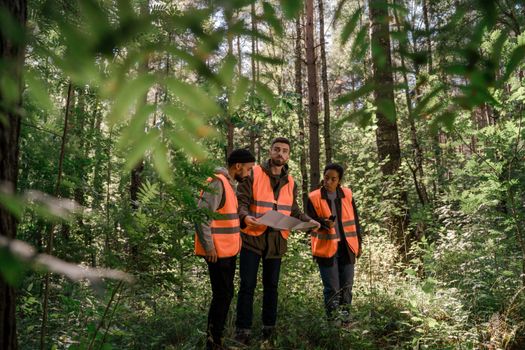
Geographer

Flag Media

Please select a reason for flagging this content.

📊 Statistics

Average Starting Salary

For graduates in Geography roles, starting salaries typically range from 20,000 to 25,000 GBP per year, often increasing with experience and specialisation.

Experienced Professional Salary

Experienced Geographers in roles such as GIS Analyst or Environmental Consultant can expect to earn between 30,000 and 50,000 GBP annually, with senior roles potentially exceeding 60,000 GBP.

Job Market Demand

The demand for geographers, particularly those with skills in Geographic Information Systems (GIS), remote sensing, and environmental planning, remains steady across various sectors in the UK, including public sector, environmental consultancies, and urban planning firms.

🚀 Careers in this path

Flag Media

Please select a reason for flagging this content.

GIS Analyst

Utilises Geographic Information Systems (GIS) software to create, manage, analyse, and present spatial data. This could involve mapping environmental changes, urban planning, or resource management. Ideal for someone with strong analytical skills and an interest in technology's application to geography.

Flag Media

Please select a reason for flagging this content.

Environmental Consultant

Advises businesses and organisations on environmental management, sustainability, and compliance with UK regulations. This role often involves site assessments, impact reports, and developing strategies to minimise environmental harm, drawing heavily on geographical understanding of ecosystems and human impact.

Flag Media

Please select a reason for flagging this content.

Urban or Regional Planner

Shapes the physical growth and development of towns, cities, and regions. This involves analysing geographical data, assessing social and economic needs, and developing plans for housing, transport, and public spaces, often with a focus on sustainable development and community well-being.

Build a Strong Foundation

Academic Study

Pursue a degree in Geography or a related field to gain foundational knowledge and skills.

Start by completing an undergraduate degree in Geography, Human Geography, Physical Geography, Environmental Science, or a related geospatial discipline. Many universities offer specialist modules that delve into areas like GIS, remote sensing, urban planning, or environmental management. This degree will provide you with a comprehensive understanding of geographical concepts, theories, and methodologies, which are crucial for any career in the field. Look for programmes accredited by relevant professional bodies where possible.

Develop Core Skills

Focus on acquiring key transferable skills essential for a Geographer.

Beyond academic knowledge, develop strong analytical, research, problem-solving, and communication skills. Geographers frequently work with large datasets, so proficiency in data analysis, statistical methods, and critical thinking is vital. Improve your written and verbal communication to effectively present findings, write reports, and collaborate with others. Presentation skills are also important for explaining complex geographical concepts to diverse audiences.

Master Geospatial Technology

Become proficient in Geographic Information Systems (GIS) and other geospatial tools.

GIS is a cornerstone of modern geography. Seek out courses, workshops, or self-study opportunities to become highly skilled in GIS software like ArcGIS Pro, QGIS, or GRASS GIS. Knowledge of remote sensing (e.g., satellite imagery analysis), GPS data collection, and cartography (map-making) is also invaluable. Understanding coding languages such as Python for automation and data manipulation within GIS environments will significantly boost your employability.

Gain Practical Experience

Internships & Placements

Secure internships or work placements to apply your academic knowledge in real-world settings.

Internships offer invaluable practical experience and networking opportunities. Look for placements with local councils, environmental consultancies, utility companies, conservation organisations, or government agencies like the Ordnance Survey. These experiences allow you to work on actual projects, understand workplace dynamics, and identify your areas of interest within geography. Many universities facilitate such placements, so check with your career services.

Volunteer & Project Work

Engage in voluntary work or participate in geographical projects to build your portfolio.

Volunteering for environmental charities, community groups, or research projects can provide hands-on experience in fieldwork, data collection, and report writing. Consider joining university geographical societies or participating in fieldwork trips. Personal projects, such as creating a GIS map for a local issue or analysing open-source geospatial data, demonstrate initiative and technical ability to potential employers.

Networking

Connect with professionals in the geography and geospatial sectors.

Attend industry conferences, seminars, and career fairs related to geography, GIS, and environmental science. Join professional bodies like the Royal Geographical Society (RGS-IBG) or the Association for Geographic Information (AGI) to access events, resources, and job listings. Networking can lead to mentorship opportunities, job leads, and insights into different career paths within geography. LinkedIn is also a powerful tool for connecting with professionals and exploring company profiles.

Specialise and Advance

Choose a Specialism

Identify a specific area of geography that aligns with your interests and career goals.

Geography is a broad field. Decide if you want to specialise in areas like urban planning, environmental management, climatology, cartography, remote sensing, disaster management, or GIS analysis. Your chosen specialism will influence your job search and further professional development. Consider market demand and your personal passions when making this choice. Further academic study, such as a Masters degree, can help solidify your specialisation.

Continuous Professional Development

Stay updated with the latest advancements in geographical science and technology.

The field of geography, particularly geospatial technology, evolves rapidly. Regularly engage in online courses, webinars, and workshops to learn new software, data analysis techniques, and theoretical concepts. Read industry publications and research papers to keep abreast of trends. Pursuing certifications in specific GIS software or project management can also demonstrate your commitment to ongoing learning and enhance your professional profile.

Seek Career Progression

Look for opportunities to take on more responsibility and leadership roles.

Once you have gained several years of experience, seek roles that allow you to manage projects, mentor junior staff, or contribute to strategic decision-making. This could involve moving into a senior GIS analyst position, an environmental consultant role, a project manager, or a team leader. Consider pursuing chartered status with professional bodies like the RGS-IBG to demonstrate your expertise and commitment to the profession.

🎬 Useful Videos

🎯 View Apprenticeships

Explore relevant apprenticeships that can help you kickstart your career in Geographer. Apprenticeships offer hands-on experience and training while earning a wage.

Career Progressions

No career progressions found for Geographer

Sample Qualifications

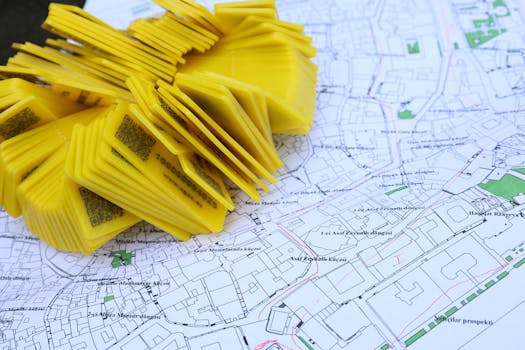
A Geographer often specialises in spatial analysis and mapping, aligning closely with the primary duties of a Cartographer, who designs and creates maps and charts.

How to become

You can get into this job through:

  • a university course
  • an apprenticeship
  • working towards this role
  • the armed forces

University

You can take a degree in a subject that includes data gathering and analysis, such as:

  • geography
  • geographical information systems (GIS)
  • land surveying
  • earth sciences
  • oceanography
  • meteorology

Employers may also accept degrees in other subjects like computer science, software engineering or graphic design.

A postgraduate qualification may help you to find work in a specialist field of cartography like GIS.

Entry requirements

You'll usually need:

  • 2 to 3 A levels, or equivalent, for a degree
  • a degree in a relevant subject for postgraduate study

More Information

Apprenticeship

You could apply to an organisation to do an apprenticeship, such as:

  • Geospatial Survey Technician Level 3 Advanced Apprenticeship
  • Geospatial Mapping and Science Specialist Level 6 Degree Apprenticeship
  • Spatial Data Specialist Level 7 Degree Apprenticeship

Entry requirements

You'll usually need:

  • 5 GCSEs at grades 9 to 4 (A* to C), or equivalent, including English and maths, for an advanced apprenticeship
  • 4 or 5 GCSEs at grades 9 to 4 (A* to C) and A levels, or equivalent, for a higher or degree apprenticeship

More Information

Work

You may be able to start as a trainee cartographic or GIS technician and work your way up through training and promotion.

Employers may want you to have:

  • an apprenticeship in geospatial surveying or similar field
  • A levels in geography, mathematics or computing
  • a qualification equivalent to A level standard, for example a diploma in applied science

Other Routes

You can apply to become a geographic technician with the Army, or join the Royal Air Force and train as an aviation data analyst (air cartographer).

At the end of your service, you could use your experience to find work in commercial cartography and mapping.

More Information

Career tips

You can find opportunities to work as a cartographer in the public and private sector with:

  • Ordnance Survey
  • local and national government departments
  • transport companies
  • mapping and publishing companies
  • surveying and energy companies

Professional and industry bodies

You could join the British Cartographic Society for networking, information resources and career development support.

Further information

You can find out more about a career in cartography from:

Interested in More Career Paths?

Explore other careers or use our AI to discover personalised paths based on your interests.

Stay connected

Join our newsletter to stay up to date on features and releases

Address
Developing Experts Limited
Exchange Street Buildings
35-37 Exchange Street
Norwich
NR2 1DP
UK

Phone
01603 273515

Email
[email protected]

Copyright 2026 Developing Experts, All rights reserved.