


Creating Career Path...

Finding Further Careers...

Town Planner

View this career for different education levels:

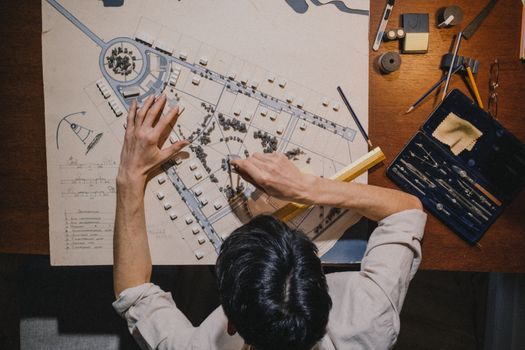
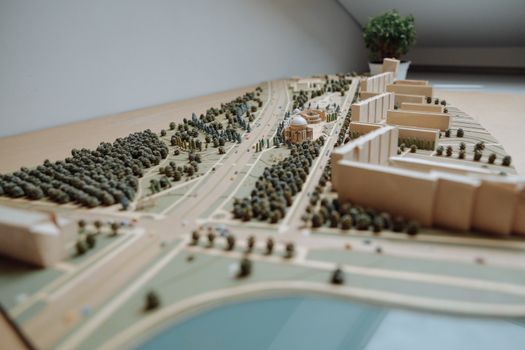
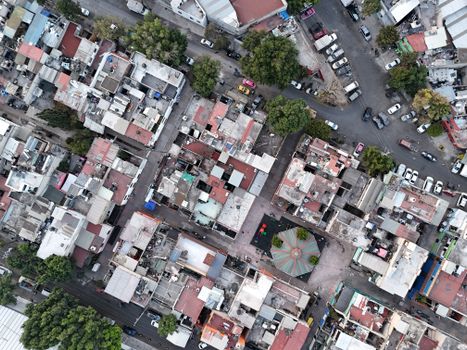
A Town Planner is like a big-picture designer for our towns, cities, and countryside. Imagine you have a giant LEGO set, and your job is to decide where all the buildings, roads, parks, and shops should go so that everyone can live and work comfortably and happily. Town Planners look at how land is used and make sure that new buildings and developments benefit the whole community, while also protecting the environment. They think about things like how traffic will flow, where children will play, and how we can make our towns greener and more sustainable for the future. They work with local councils, developers, and the public to create plans and policies that shape the places we live in. It's a really important job because it affects how our communities grow and change over time. Being a Town Planner involves a lot of thinking, drawing up plans, and talking to different people. You might spend some time in an office, using maps and computer software to design new areas or review building applications. You also get to go out and visit sites, seeing how projects are progressing and understanding the local area better. You'll need to understand local laws and policies related to planning and be good at explaining your ideas to others, sometimes even at public meetings. It's a job that helps create a better future for everyone, making sure our towns and cities are great places to live, work, and visit.

Town Planner

Flag Media

Please select a reason for flagging this content.

📊 Statistics

Starting Salary

A new Town Planner in the UK might expect to earn around 24,000 to 28,000 pounds per year.

Experienced Salary

With more experience, a Town Planner could earn between 35,000 and 55,000 pounds per year, and those in very senior roles might earn over 60,000 pounds.

Job Growth

The demand for skilled Town Planners in the UK is expected to remain steady, with new developments and environmental considerations always needing careful planning.

🚀 Careers in this path

Flag Media

Please select a reason for flagging this content.

Urban Designer

Imagine you're designing the look and feel of a new neighbourhood or town centre. You'd think about where shops, parks, and homes go, what the buildings look like, and how people will move around. You'd make sure it all looks good and works well for everyone.

Flag Media

Please select a reason for flagging this content.

Transport Planner

Think about how people get from one place to another in a town or city. As a Transport Planner, you'd come up with ideas for better roads, cycle paths, bus routes, and train lines, making sure everyone can travel easily and safely, whether they're walking, cycling, or using public transport.

Flag Media

Please select a reason for flagging this content.

Environmental Planner

This role is all about making sure new buildings and developments are good for nature and the environment. You'd help decide where to put parks, protect wildlife, and make sure new areas use renewable energy and don't cause pollution, keeping our planet healthy for the future.

Exploring and Learning

Understand Your Local Area

Start by looking at your own town or city. What do you like about it? What would you change? Think about how buildings, parks, and roads fit together.

Pay attention to new developments, empty spaces, and old buildings. How does traffic flow? Where do people go for fun or to shop? This helps you see how planning affects everyday life. You could even draw a map of your perfect neighbourhood!

Study Relevant Subjects

Focus on subjects at school like Geography, Design and Technology, History, and even Art. These subjects teach you about places, design, and how societies change over time.

Geography helps you understand landscapes and how people use space. Design and Technology can develop your drawing and problem-solving skills. History shows how towns have developed, and Art helps with visualising ideas. Maths and English are always important too for understanding data and writing reports.

Research What Planners Do

Find out more about the actual day-to-day work of a Town Planner. Look up websites, watch videos, and read articles about urban planning.

Websites like the Royal Town Planning Institute (RTPI) in the UK have lots of information for young people. You can learn about different types of planning, like environmental planning, transport planning, or community planning. Knowing what the job involves helps you decide if it's a good fit for you.

Building Skills and Experience

Join Related Clubs or Activities

Get involved in school clubs or local groups that focus on environmental issues, design, or community projects. This shows your interest and helps you learn teamwork.

For example, an eco-club might discuss local green spaces, or a photography club could capture interesting parts of your town. Even participating in a school newspaper or debate club can help you develop communication skills vital for a planner.

Develop Digital Skills

Learn to use computer programs that are useful for design and mapping, like drawing software or even simple CAD (Computer-Aided Design) programmes if you get the chance.

Planners often use software to create maps, models of new developments, and presentations. Programs like Adobe Photoshop, Illustrator, or even Google SketchUp can be good starting points. Understanding how to use spreadsheets and presentation software is also very helpful.

Seek Out Work Experience

If possible, try to get some work experience, even just for a few days, with a local council planning department or a private planning firm.

Work experience is a fantastic way to see what the job is really like. You might shadow a planner, attend meetings, or help with research. It shows future universities and employers that you are serious about this career and gives you a real insight into the profession.

Higher Education and Career Launch

Go to University

Study a degree in Town Planning, Urban Planning, or a related subject like Geography, Environmental Planning, or Architecture, which can lead into a Master's in Planning.

Most professional Town Planners in the UK have a university degree. Look for courses accredited by the Royal Town Planning Institute (RTPI). These degrees will teach you all about planning law, design, environmental impact, and how to create sustainable communities. You'll learn to analyse data, draw plans, and present your ideas clearly.

Gain Professional Qualification

After your degree, you'll need to work towards becoming a 'Chartered Town Planner' through the RTPI. This involves gaining practical experience and completing a planning performance statement.

Many graduates start as a 'Graduate Planner' or 'Assistant Planner' in a local council or private consultancy. During this time, you'll work under experienced planners and apply what you learned at university. The RTPI's 'Assessment of Professional Competence' (APC) scheme helps you demonstrate your skills and knowledge to become a fully qualified Chartered Town Planner.

Start Your Planning Career

Apply for jobs in local councils, national government agencies, private planning consultancies, or even charities involved in urban development.

Your first job will involve a lot of learning on the go. You might be involved in processing planning applications, working on local development plans, or advising clients on planning permission. There are many different areas you can specialise in as you gain more experience, such as heritage planning, sustainable transport, or urban regeneration.

🎬 Useful Videos

🎯 View Apprenticeships

Explore relevant apprenticeships that can help you kickstart your career in Town Planner. Apprenticeships offer hands-on experience and training while earning a wage.

Career Progressions

This page showcases various career options and the pathways to reach them. Each career listed here shares transferable skills and knowledge, making it easier for individuals to transition between them.

Your current career is highlighted to help you see how it fits into the broader landscape of potential career choices. By clicking on any career, you can learn more about it, including the training and education required to pursue it.

Remember, progressing in your career often involves further learning and training. This page provides insights into future career options as well as those that can lead up to your current one.

These career progression decisions are informed by comparing the skills and knowledge needed for different occupations, along with data on how people move between them. Explore the possibilities and discover the exciting journey ahead in your career!

Sample Qualifications

The user's input 'Town Planner' directly matches an existing official job title in the provided list. Both terms refer to the same profession responsible for developing and managing urban and regional areas.

How to become

You can get into this job through:

  • a university course
  • an apprenticeship
  • working towards this role

University

You can study for a degree or a postgraduate qualification accredited by the Royal Town Planning Institute (RTPI).

Subjects include:

  • planning, environment and development
  • city and regional planning
  • geography and planning
  • urban planning and property development

You can do postgraduate qualification in planning if you have a degree in an unrelated subject.

Entry requirements

You'll usually need:

  • 2 to 3 A levels, or equivalent, for a degree
  • a degree in any subject for a postgraduate course

More Information

Apprenticeship

You could apply to do a Chartered Town Planner Level 7 Degree Apprenticeship.

This can take around 5 years to complete and is a mix of on-the-job training and study at university. Contact apprenticeship training providers for details.

Entry requirements

Most people following this route have:

  • 4 or 5 GCSEs at grades 9 to 4 (A* to C) and A levels, or equivalent, for a degree apprenticeship

More Information

Work

You could start as a town planning assistant with an organisation and take further training while you work.

You'll need the backing of your employer and you'll combine practical experience with part-time or distance learning study towards an accredited planning qualification.

Volunteering

You'll find it useful to get as much work experience as possible. This will give you a better understanding of the career, and the contacts you make may help you to find paid work.

You can search for companies listed by the Royal Town Planning Institute or contact your local council to ask about opportunities.

More Information

Professional and industry bodies

You could join the Royal Town Planning Institute for networking, events and professional development training opportunities.

Further information

You can find out more about careers in town planning from the Royal Town Planning Institute.

Interested in More Career Paths?

Explore other careers or use our AI to discover personalised paths based on your interests.

Stay connected

Join our newsletter to stay up to date on features and releases

Address
Developing Experts Limited
Exchange Street Buildings
35-37 Exchange Street
Norwich
NR2 1DP
UK

Phone
01603 273515

Email
[email protected]

Copyright 2026 Developing Experts, All rights reserved.
