



Creating Career Path...

Finding Further Careers...

Town Planner

View this career for different education levels:

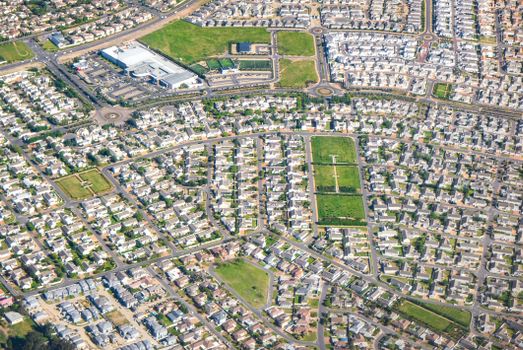
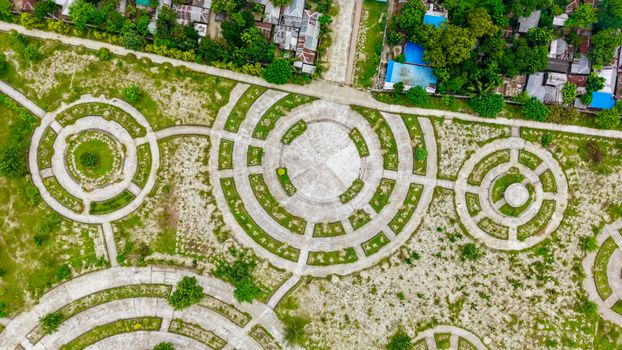
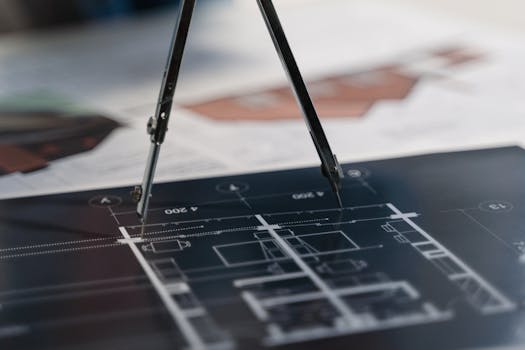
Imagine drawing maps for a new part of your town or helping decide where new shops, parks, or houses should go. That is a bit like what a Town Planner does! They are like special designers for whole towns and cities. They think about how places should grow and change to make them great for everyone who lives there. They help make sure there are enough schools, good roads, safe places to play, and even nice green parks. Town Planners work with lots of different people like builders, environmental experts, and even local communities to make sure new buildings and areas are built in a clever and helpful way. They make plans for the future, thinking about how we can make our towns even better and more friendly places to live, work, and play, while also protecting nature and important old buildings.

Town Planner

Flag Media

Please select a reason for flagging this content.

📊 Statistics

Average Starting Salary

When you first start as a Town Planner, you might earn around 25,000 to 30,000 pounds a year. This can grow a lot as you get more experience.

Experienced Salary

If you become a very experienced Town Planner or a manager, you could earn much more, sometimes over 50,000 pounds a year, especially in bigger cities.

Number of Jobs

There are thousands of Town Planners working across the UK. It is a steady job with opportunities in many different places.

🚀 Careers in this path

Flag Media

Please select a reason for flagging this content.

Park Designer

Imagine you get to decide where the swings go, how big the sandpit should be, and where all the lovely trees and flowers will grow in a new park. You'd draw the plans to make it a fun place for everyone!

Flag Media

Please select a reason for flagging this content.

Playground Architect

This is like being a super builder for playgrounds! You think about all the cool climbing frames, slides, and places to play hide and seek. You design them so they are exciting and safe for all your friends to enjoy.

Flag Media

Please select a reason for flagging this content.

Street Mapper

You get to draw maps of whole neighbourhoods, showing where all the houses are, where the shops are, and where the best places to walk or cycle are. It helps people find their way around new places.

Learning About Places

Look Around Your Neighbourhood

Pay attention to your street, local park, and shops. Think about what you like and what could be better.

Start by being curious! When you're out and about, look at how things are arranged. Are there enough green spaces? Is it easy to walk to the shops? Do cars go too fast? Thinking about these things helps you understand what makes a place work well or not so well. You could even draw a map of your area and label all the important things you see.

Learn About Maps

Maps show us where everything is! Learning to read them helps you understand layouts of towns and cities.

Maps are like secret codes for places. They show you where houses, roads, rivers, and parks are. You can look at maps of your town, or even maps of places far away! Understanding how maps work is super important for a Town Planner because they use them all the time to plan new areas. You could try drawing a map of your school or your house.

Discover Different Buildings

Find out about different types of buildings and what they are used for, like homes, schools, and hospitals.

Every building has a special job. Some are for living in, like flats and houses. Some are for learning, like schools. Others are for helping people when they are poorly, like hospitals. And some are for fun, like cinemas or swimming pools. Town Planners need to make sure there are enough of all these different types of buildings in the right places for everyone to use.

School Adventures

Work Hard in School

Pay attention in lessons like geography, art, and maths. These subjects are really useful for town planning.

Geography helps you understand the land, weather, and how people live in different places. Art helps you design and imagine how places could look. Maths helps you measure things and work out how much space is needed for buildings and parks. All these subjects give you important tools for becoming a great Town Planner. Keep trying your best!

Join a Club

Join clubs like a nature club, a drawing club, or a building club to learn more skills.

Joining clubs is a fun way to learn new things and meet friends! A nature club could teach you about looking after parks and trees. A drawing club can help you get better at sketching ideas for new buildings. A building club, perhaps with LEGO or other construction toys, lets you practise creating structures and thinking about space. These skills are all very handy for a Town Planner.

Think About Problems and Solutions

Practise thinking about problems in your school or home and coming up with clever ideas to fix them.

Town Planners are like super problem-solvers for cities! For example, if there's too much rubbish in one area, how could you solve that? Maybe more bins, or a fun way to encourage recycling? If people don't have enough places to play, where could a new playground go? Practising these kinds of thoughts helps you develop a planner's mind.

Growing Up and Planning

Visit Different Towns

When you go on holiday or day trips, look at how other towns are planned and what makes them special.

Every town is a bit different! Some have old castles, some have tall new buildings, and some have lots of green fields. By visiting different places, you can see lots of examples of good planning and maybe even spot things that could be improved. This helps you get lots of ideas for your own planning projects in the future.

Learn About Nature

Understand how to protect trees, rivers, and animals when building new things.

Town Planners don't just think about buildings, they also think about nature! It's very important to make sure new towns and houses don't harm animals, plants, or our environment. Learning about how to create places that are good for both people and nature is a big part of being a responsible planner. This is often called 'sustainability'.

Imagine Your Dream Town

Draw or build your very own dream town. What would it have? Where would everything go?

This is a super fun way to practise being a Town Planner! Get some paper and crayons, or your favourite building blocks. Think about what your dream town would need: homes, schools, parks, shops, hospitals. Where would the roads go? How would people get around? What would make it a happy and healthy place for everyone? This helps you put all your ideas together.

🎯 View Apprenticeships

Explore relevant apprenticeships that can help you kickstart your career in Town Planner. Apprenticeships offer hands-on experience and training while earning a wage.

Career Progressions

This page showcases various career options and the pathways to reach them. Each career listed here shares transferable skills and knowledge, making it easier for individuals to transition between them.

Your current career is highlighted to help you see how it fits into the broader landscape of potential career choices. By clicking on any career, you can learn more about it, including the training and education required to pursue it.

Remember, progressing in your career often involves further learning and training. This page provides insights into future career options as well as those that can lead up to your current one.

These career progression decisions are informed by comparing the skills and knowledge needed for different occupations, along with data on how people move between them. Explore the possibilities and discover the exciting journey ahead in your career!

Sample Qualifications

The user's input 'Town Planner' directly matches one of the official job titles provided in the list. Both refer to the same profession responsible for planning and managing the physical development of towns and cities.

How to become

You can get into this job through:

  • a university course
  • an apprenticeship
  • working towards this role

University

You can study for a degree or a postgraduate qualification accredited by the Royal Town Planning Institute (RTPI).

Subjects include:

  • planning, environment and development
  • city and regional planning
  • geography and planning
  • urban planning and property development

You can do postgraduate qualification in planning if you have a degree in an unrelated subject.

Entry requirements

You'll usually need:

  • 2 to 3 A levels, or equivalent, for a degree
  • a degree in any subject for a postgraduate course

More Information

Apprenticeship

You could apply to do a Chartered Town Planner Level 7 Degree Apprenticeship.

This can take around 5 years to complete and is a mix of on-the-job training and study at university. Contact apprenticeship training providers for details.

Entry requirements

Most people following this route have:

  • 4 or 5 GCSEs at grades 9 to 4 (A* to C) and A levels, or equivalent, for a degree apprenticeship

More Information

Work

You could start as a town planning assistant with an organisation and take further training while you work.

You'll need the backing of your employer and you'll combine practical experience with part-time or distance learning study towards an accredited planning qualification.

Volunteering

You'll find it useful to get as much work experience as possible. This will give you a better understanding of the career, and the contacts you make may help you to find paid work.

You can search for companies listed by the Royal Town Planning Institute or contact your local council to ask about opportunities.

More Information

Professional and industry bodies

You could join the Royal Town Planning Institute for networking, events and professional development training opportunities.

Further information

You can find out more about careers in town planning from the Royal Town Planning Institute.

Interested in More Career Paths?

Explore other careers or use our AI to discover personalised paths based on your interests.

Stay connected

Join our newsletter to stay up to date on features and releases

Address
Developing Experts Limited
Exchange Street Buildings
35-37 Exchange Street
Norwich
NR2 1DP
UK

Phone
01603 273515

Email
[email protected]

Copyright 2026 Developing Experts, All rights reserved.
