





Creating Career Path...

Finding Further Careers...

Podcaster

View this career for different education levels:

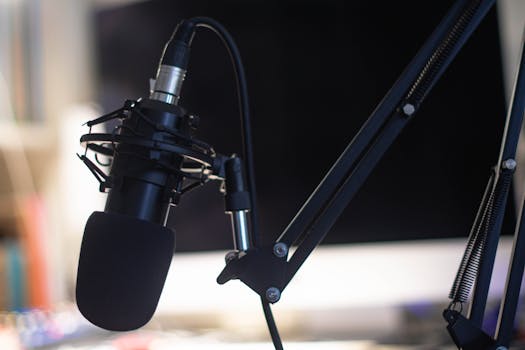
A Podcaster in the UK is an individual or team responsible for creating, producing, and distributing audio content, typically in a series format, available for streaming or download over the internet. This career path is largely entrepreneurial and requires a blend of creative, technical, and marketing skills. At its core, a podcaster develops a concept or topic for their show, researches and plans episodes, records high-quality audio (often involving interviews, solo commentary, storytelling, or discussions), and then edits and masters the sound for a professional finish. Beyond the audio production itself, a significant part of the role involves marketing and promotion to build an audience, engaging with listeners, and exploring monetisation strategies such as advertising, sponsorships, premium content, or listener donations. Many podcasters also manage their own website, social media presence, and distribution to various podcast platforms. It's a field that demands passion, persistence, and a willingness to continually learn and adapt to technological and audience trends.

Podcaster

Flag Media

Please select a reason for flagging this content.

📊 Statistics

Estimated Earning Potential (UK)

While there isn't a fixed salary for podcasters due to the varied nature of income streams (sponsorships, advertising, listener support, premium content), successful full-time podcasters in the UK can earn anywhere from 20,000 to over 100,000 annually, with many starting out earning significantly less or nothing at all while building an audience. Income is highly dependent on audience size, niche, and monetisation strategy.

UK Podcast Listenership Growth

Podcast listening continues to grow in the UK. Ofcom's 2023 Media Nations report indicated that 24 percent of adults (12.6 million people) listened to a podcast at least once a week, up from 22 percent in 2022. This demonstrates a growing market for podcast content creators.

Market Competition and Content Volume

As of early 2024, there are estimated to be over 5 million podcasts globally, with a significant number originating from or targeting the UK market. This highlights a highly competitive landscape where unique content, consistent production, and effective marketing are crucial for success and visibility.

🚀 Careers in this path

Flag Media

Please select a reason for flagging this content.

Audio Editor

Specialises in refining raw audio recordings, editing out mistakes, enhancing sound quality, and adding music or sound effects to create a polished podcast episode. This role is crucial for a professional-sounding show and is often a good entry point into the podcasting industry.

Flag Media

Please select a reason for flagging this content.

Podcast Producer

Oversees the entire production process from concept to publication. This includes planning content, scheduling guests, directing recordings, managing audio engineers, and coordinating marketing efforts. It's a leadership role that requires strong organisational and creative skills.

Flag Media

Please select a reason for flagging this content.

Podcast Marketing Specialist

Focuses on promoting podcasts to reach a wider audience. This involves developing marketing strategies, managing social media campaigns, optimising show notes for search engines, and securing cross-promotion opportunities. It's ideal for someone with an interest in digital marketing and audience engagement.

Foundation & Concept Development

Define Your Niche & Audience

Identify a specific topic or area you're passionate about and determine who your target listeners are. This clarity will guide all your content decisions.

Start by brainstorming subjects that genuinely interest you and where you feel you have unique insights or a distinct voice. Research existing podcasts in those areas to identify gaps or unique angles you can exploit. Consider your potential audience's demographics, interests, and listening habits to tailor your content effectively. A well-defined niche helps you stand out in a crowded market and attracts a dedicated listenership.

Develop Your Podcast Format & Name

Decide on the structure of your episodes (e.g., interviews, solo commentary, storytelling) and craft a memorable, relevant name.

Your format could be a weekly interview series, a narrative-driven show, a panel discussion, or a solo monologue. Experiment with different styles to see what feels most natural and engaging for your content. The name should be catchy, easy to remember, and indicative of your podcast's content. Check for availability across podcast platforms and social media to ensure brand consistency.

Outline Initial Episodes & Content Strategy

Plan out the topics and key points for your first few episodes to ensure a strong start and consistent content flow.

Before you even hit record, having a solid plan for your initial episodes is crucial. Create a detailed outline for at least three to five episodes, including main talking points, potential guests (if applicable), and any recurring segments. Think about a content calendar for the first few months to ensure you have a pipeline of ideas and can maintain a regular publishing schedule, which is vital for audience retention.

Technical Setup & Production

Acquire Essential Equipment

Invest in a good quality microphone, headphones, and audio recording/editing software to ensure professional sound.

While you don't need a professional studio to start, a decent USB microphone (e.g., Blue Yeti, Rode NT-USB) and comfortable headphones are fundamental. Recording software like Audacity (free), GarageBand (Mac), or Adobe Audition (paid) will be necessary for capturing and editing your audio. Prioritise clear audio quality over fancy intros or effects; good sound keeps listeners engaged.

Learn Audio Recording & Editing

Familiarise yourself with the basics of recording clean audio and editing out mistakes, background noise, and pauses.

Practice recording your voice in different environments to understand acoustics and minimise echo or background noise. Learn how to use your chosen editing software to cut out unwanted sections, apply basic levelling, and remove 'ums' and 'ahs'. Online tutorials (YouTube is a great resource) are invaluable here. The goal is to produce a smooth, professional-sounding audio track that is easy for listeners to consume.

Record & Produce Your First Episodes

Follow your outlines to record your content, then edit and master the audio to create ready-to-publish episodes.

Set aside dedicated time for recording in a quiet environment. Speak clearly and project your voice. After recording, meticulously edit each episode, paying attention to pacing, flow, and sound quality. Mastering involves optimising the volume and overall sound for consistent playback across different devices. Consider adding intro/outro music and any sound effects to enhance the listener experience, ensuring all audio is royalty-free or licensed.

Launch & Growth

Choose a Hosting Platform & Publish

Select a podcast hosting service to store your audio files and distribute your podcast to major listening platforms.

A podcast host (e.g., Libsyn, Buzzsprout, Anchor.fm) stores your audio files and generates an RSS feed, which is what podcast directories use to find your show. Once you have a host, submit your RSS feed to platforms like Apple Podcasts, Spotify, Google Podcasts, and Stitcher. Ensure you have compelling cover art and a well-written show description to attract new listeners.

Promote Your Podcast Effectively

Share your podcast across social media, your website, and other channels to reach a wider audience.

Don't just launch and hope for the best! Actively promote your podcast. Create short audio clips or audiograms for social media, write blog posts about your episodes, and engage with relevant online communities. Encourage listeners to subscribe, rate, and review your show, as this helps with discoverability. Consider cross-promotion with other podcasters or guest appearances on related shows.

Engage Your Audience & Analyse Feedback

Interact with your listeners, respond to comments, and use feedback to improve your content and grow your show.

Building a community around your podcast is crucial for long-term success. Encourage listeners to send in questions, comments, or topic suggestions. Create a dedicated social media group or forum for discussion. Regularly review your analytics provided by your hosting platform (downloads, listener demographics) and listen to constructive criticism. This continuous feedback loop will help you refine your content, understand what resonates with your audience, and foster loyalty.

🎯 View Apprenticeships

Explore relevant apprenticeships that can help you kickstart your career in Podcaster. Apprenticeships offer hands-on experience and training while earning a wage.

Career Progressions

No career progressions found for Podcaster

Sample Qualifications

While neither title is a perfect fit, a podcaster's role in creating, editing, and curating content, along with managing contributors or interviews, aligns more closely with the editorial duties of a 'Newspaper or magazine editor' than with the highly specialised writing focus of a 'Technical author'.

How to become

You can get into this job through:

  • a university course
  • working towards this role
  • training with a professional body

University

You could do a degree in a subject like:

  • English
  • journalism
  • media studies
  • publishing

You can do a postgraduate qualification in publishing or journalism if your first degree is not related to the industry.

If you want to work for a specialist publication, such as a medical or scientific journal, you'll usually need:

  • a degree or postgraduate qualification in a relevant subject
  • an excellent understanding of the field

Entry requirements

You'll usually need:

  • 5 GCSEs at grades 9 to 4 (A* to C), or equivalent, including English
  • 2 to 3 A levels, or equivalent, for a degree
  • a degree in any subject for a postgraduate course

More Information

Work

You could start as an editorial assistant, copy editor or journalist with a regional newspaper or magazine and work your way up through training and promotion.

Volunteering

You'll need to get some experience before applying for your first job. To build up your experience you could:

  • volunteer to work on student and community newspapers
  • keep an online blog
  • maintain an online presence on social media channels
  • submit articles and reviews to newspapers, magazines or websites

These are good ways to develop industry contacts, as many jobs are not advertised. They are also useful for creating a portfolio of work to show employers what you can do.

Other Routes

You could take an editing or proofreading course to develop your skills, which may help when looking for work.

Courses are offered by:

More Information

Career tips

Employers will expect you to have an excellent grasp of English language, grammar, punctuation and proofreading, alongside knowledge of publishing regulations like copyright and licensing.

Professional and industry bodies

You may find it useful to join organisations like the Society of Editors and Professional Publishers Association for industry recognition, training opportunities and to make contacts.

Further information

You can find out more about becoming a newspaper or magazine editor from the National Council for the Training of Journalists.

You can learn more about other editorial and media careers from Discover Creative Careers.

Interested in More Career Paths?

Explore other careers or use our AI to discover personalised paths based on your interests.

Stay connected

Join our newsletter to stay up to date on features and releases

Address
Developing Experts Limited
Exchange Street Buildings
35-37 Exchange Street
Norwich
NR2 1DP
UK

Phone
01603 273515

Email
[email protected]

Copyright 2026 Developing Experts, All rights reserved.
