


Creating Career Path...

Finding Further Careers...

Podcaster

View this career for different education levels:

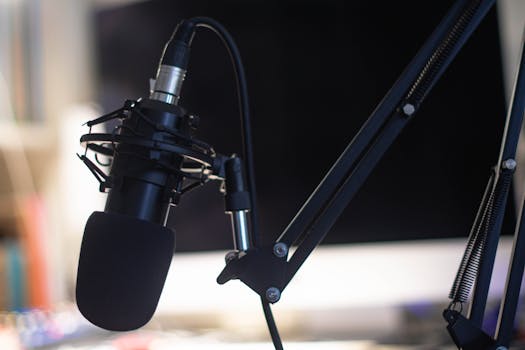
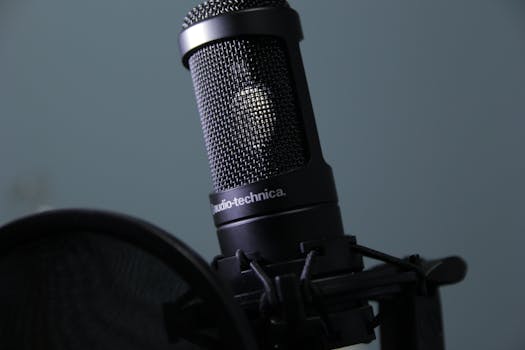
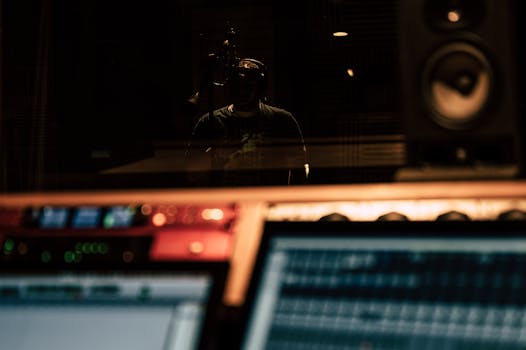
Imagine telling amazing stories or sharing interesting facts, and lots of people all over the UK listen to you on their phones or computers. That's what a podcaster does! A podcaster creates audio shows, a bit like a radio show but you can listen whenever you want. They might talk about their favourite games, tell a spooky story, interview interesting people, or teach listeners about cool animals. Podcasters need to be good at talking clearly, thinking up fun ideas, and sometimes even editing the sound to make it perfect. It takes practice and creativity to make a podcast that lots of people love to listen to. Many podcasters start by themselves at home with a microphone and a computer, making shows about things they are passionate about. If their show becomes popular, they might get sponsors or adverts to help them earn money from their podcast.

Podcaster

Flag Media

Please select a reason for flagging this content.

📊 Statistics

Starting Salary

Many podcasters start with very little or no income, especially when they are just beginning. For those who make it a fulltime job, entry level salaries can be around 20,000 to 25,000 pounds per year, but this varies a lot.

Experienced Salary

Experienced and popular podcasters in the UK can earn much more, sometimes over 50,000 pounds per year, depending on their audience size, advertising deals, and other ways they make money. Some very famous podcasters can earn hundreds of thousands.

Number of UK Podcasts

There are over 100,000 different podcasts available in the UK, covering all sorts of topics from stories to news to science. This shows how many people are creating them.

🚀 Careers in this path

Flag Media

Please select a reason for flagging this content.

Storyteller for Kids Podcasts

Imagine telling exciting stories, like fairy tales or adventures, just for children to listen to on a podcast. You could make up your own stories or read from your favourite books with funny voices!

Flag Media

Please select a reason for flagging this content.

Sound Effects Creator

This is someone who makes all the cool sounds you hear in a podcast, like a 'woosh' for a superhero flying, or the 'ribbit' of a frog. You could use everyday objects to make amazing noises!

Flag Media

Please select a reason for flagging this content.

Kids Interviewer

You would get to talk to other children or interesting grown-ups about things kids love, like their favourite toys, games, or what they want to be when they grow up. Then you share these chats on a podcast!

Discover Your Voice

Listen to Podcasts

Start by listening to lots of different podcasts. Find out what you like and what kind of stories or topics are fun to hear.

Listen to children's story podcasts, science podcasts, or even ones about games. Think about what makes them interesting – is it the funny voices, the exciting stories, or the cool facts? This helps you imagine what kind of podcast you might want to make.

Find Your Idea

Think about what you love to talk about! Do you know lots about dinosaurs, or have you made up some amazing adventure stories?

Your podcast could be about anything you're super interested in! Maybe you want to share tips on building amazing Lego castles, or tell funny jokes. Brainstorm a list of topics you could talk about for a long time without getting bored. This will be the heart of your show.

Practice Talking

Talk out loud to your teddy bears, your pets, or even your mirror! Practice telling stories or sharing facts clearly and excitedly.

Pretend you're on a real podcast. Use different voices for characters, or try to sound really enthusiastic when you share something cool. This helps you get comfortable using your voice and makes your future podcast sound more exciting for listeners.

Create Your First Show

Plan Your Episode

Decide what you're going to talk about in your first podcast episode. Make a simple plan of your ideas.

Before you hit record, jot down a few bullet points about what you want to say. Will you tell a story? Share three fun facts? Ask a question? Having a simple plan, even if it's just a few words, helps you stay on track and remember everything you want to talk about.

Find Simple Tools

You don't need fancy equipment! A phone or tablet can be a great way to record your voice for your podcast.

Most phones and tablets have a 'Voice Recorder' or 'Memos' app. You can use this to record yourself. Try to find a quiet place away from noisy toys or talking grown-ups so your voice comes through clearly. Practise recording and listening back to see how you sound.

Record Your Voice

Press the record button and tell your story or share your facts! Don't worry if you make a mistake, you can try again.

Speak clearly and try to be yourself! Imagine you're talking to a friend. If you make a mistake, you can either pause and start that bit again, or just keep going – sometimes mistakes can be funny! Listen back to your recording to see how it sounds. You've made your very first audio show!

Share Your Stories

Share with Family and Friends

Play your recorded podcast for your family and friends. Ask them what they liked and what made them smile.

Getting feedback from people you know is a great first step! They can tell you if your voice was clear, if the story was exciting, or if they learned something new. This helps you get better for your next episode and gives you confidence.

Learn More Skills

As you get older, you can learn how to make your podcast sound even better by adding music or editing.

There are free computer programs that let you put different sounds together, like a fun intro song or sound effects. You can also learn how to cut out mistakes or quiet bits to make your podcast flow smoothly. These skills will make your show sound really professional!

Keep Creating

The most important thing is to keep making podcasts about things you love. The more you make, the better you'll become!

Podcasting is all about sharing your passion. Don't be afraid to try new topics or different ways of telling stories. Each new episode is a chance to learn and improve, and soon you'll have lots of exciting podcasts for people to listen to!

🎯 View Apprenticeships

Explore relevant apprenticeships that can help you kickstart your career in Podcaster. Apprenticeships offer hands-on experience and training while earning a wage.

Career Progressions

No career progressions found for Podcaster

Sample Qualifications

While 'Podcaster' isn't explicitly listed, a podcaster's role in creating, shaping, and presenting audio content—often involving scripting, interviewing, and editorial decision-making to deliver information or entertainment—is most akin to the editorial responsibilities of a Newspaper or magazine editor, who curates and manages content for publication.

How to become

You can get into this job through:

  • a university course
  • working towards this role
  • training with a professional body

University

You could do a degree in a subject like:

  • English
  • journalism
  • media studies
  • publishing

You can do a postgraduate qualification in publishing or journalism if your first degree is not related to the industry.

If you want to work for a specialist publication, such as a medical or scientific journal, you'll usually need:

  • a degree or postgraduate qualification in a relevant subject
  • an excellent understanding of the field

Entry requirements

You'll usually need:

  • 5 GCSEs at grades 9 to 4 (A* to C), or equivalent, including English
  • 2 to 3 A levels, or equivalent, for a degree
  • a degree in any subject for a postgraduate course

More Information

Work

You could start as an editorial assistant, copy editor or journalist with a regional newspaper or magazine and work your way up through training and promotion.

Volunteering

You'll need to get some experience before applying for your first job. To build up your experience you could:

  • volunteer to work on student and community newspapers
  • keep an online blog
  • maintain an online presence on social media channels
  • submit articles and reviews to newspapers, magazines or websites

These are good ways to develop industry contacts, as many jobs are not advertised. They are also useful for creating a portfolio of work to show employers what you can do.

Other Routes

You could take an editing or proofreading course to develop your skills, which may help when looking for work.

Courses are offered by:

More Information

Career tips

Employers will expect you to have an excellent grasp of English language, grammar, punctuation and proofreading, alongside knowledge of publishing regulations like copyright and licensing.

Professional and industry bodies

You may find it useful to join organisations like the Society of Editors and Professional Publishers Association for industry recognition, training opportunities and to make contacts.

Further information

You can find out more about becoming a newspaper or magazine editor from the National Council for the Training of Journalists.

You can learn more about other editorial and media careers from Discover Creative Careers.

Interested in More Career Paths?

Explore other careers or use our AI to discover personalised paths based on your interests.

Stay connected

Join our newsletter to stay up to date on features and releases

Address
Developing Experts Limited
Exchange Street Buildings
35-37 Exchange Street
Norwich
NR2 1DP
UK

Phone
01603 273515

Email
[email protected]

Copyright 2026 Developing Experts, All rights reserved.
