
Creating Career Path...

Finding Further Careers...

Podcaster

View this career for different education levels:

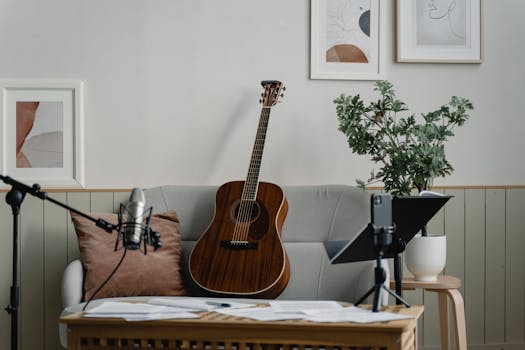
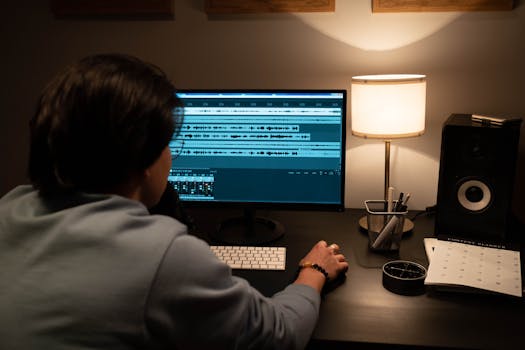
Being a podcaster means you create and present audio shows that people can listen to online. Imagine making your very own radio show, but instead of broadcasting live, people can download and listen whenever they want! You could talk about anything you're passionate about, from gaming and books to science or history. A podcaster needs to be good at planning what they'll talk about, researching their topics, recording their voice (and maybe guests), and then editing the sound to make it sound professional and engaging. You'll also learn how to get your podcast published online so people can find it. It's a really creative job where you get to share your ideas and stories with the world. You might work alone, or with a co-host or a team. You could record from a professional studio, or even from your own bedroom with a good microphone. Podcasters often spend time promoting their shows on social media too, to help new listeners discover them. It's all about telling stories, sharing information, or just making people laugh through sound.

Podcaster

Flag Media

Please select a reason for flagging this content.

📊 Statistics

Podcaster Salary Range

For many, podcasting starts as a hobby, but professional podcasters in the UK can earn anywhere from 20,000 to over 100,000 pounds per year, depending on their audience size, sponsorship deals, and how many podcasts they produce. Many successful podcasters also have other jobs alongside their podcast.

Podcast Listeners in the UK

Around 20 million people in the UK listen to podcasts every week, showing a huge and growing audience for great audio content. This means there's a big potential audience for new podcasters to reach!

Growth of Podcasting

The number of podcasts available in the UK has grown significantly, with thousands of new shows launching each year. This means it's a popular and expanding area for creative people.

🚀 Careers in this path

Flag Media

Please select a reason for flagging this content.

Audio Editor for Podcasts

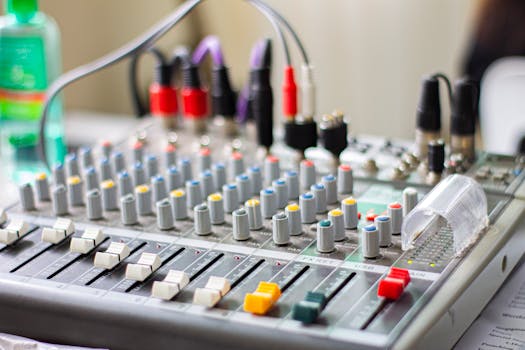
Imagine you're a DJ for conversations! You'd take all the recorded talking and make it sound amazing – cutting out 'ums' and 'errs', adding music, and making sure everyone can hear clearly. You'd use special computer software to tidy up the sound, making a podcast sound professional and fun to listen to.

Flag Media

Please select a reason for flagging this content.

Podcast Producer for a Charity

This is like being the boss of a podcast, but for a good cause! You'd help a charity tell their stories and share important messages through audio. You'd think about what to talk about, find people to interview, and make sure the podcast helps the charity raise awareness or money. It's about using your podcast skills to make a difference.

Flag Media

Please select a reason for flagging this content.

Podcast Researcher and Scriptwriter

Are you brilliant at finding out interesting facts and writing stories? In this role, you'd be the 'ideas person' behind a podcast. You'd research exciting topics, find amazing stories or guests, and then write down what the podcaster should say. You'd help create the 'magic' of the podcast by providing all the cool information and making it easy to understand.

Discover Your Passion

Find Your Niche

Think about what you absolutely love to talk about! What are your hobbies, favourite subjects at school, or things you know a lot about?

A niche is a special topic or area. For example, if you love gaming, your niche could be 'retro video games' or 'new indie games'. If you enjoy history, it could be 'fun facts about British history'. Choosing something you genuinely care about will make creating your podcast much more enjoyable and easier to talk about for a long time.

Listen and Learn

Listen to lots of different podcasts to get ideas. What kind of podcasts do you enjoy? What makes them great?

Pay attention to how different podcasters talk, how they structure their shows (do they have interviews, solo talks, storytelling?), and what kind of music or sound effects they use. You might discover styles you like and others you don't, which will help you figure out what you want your own podcast to sound like.

Brainstorm Ideas

Jot down as many ideas as you can for potential podcast names, episode topics, and types of segments.

Don't worry about whether the ideas are good or bad at this stage. Just get them all down! You could think about a cool name for your show, what your first five episodes might be about, or if you'll have a special 'question of the week' segment. The more ideas you have, the more you can choose from later.

Learn the Basics

Understand the Gear

You don't need expensive equipment to start, but it's good to know what helps make good sound.

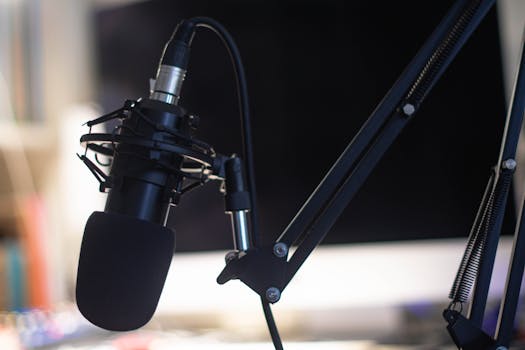
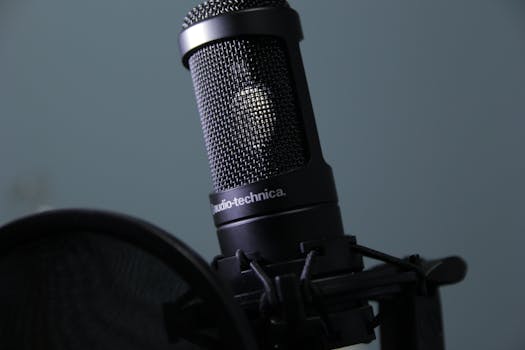
Initially, your phone's microphone might be enough! As you get more serious, you might look into a basic USB microphone, which plugs directly into your computer. Good headphones are also helpful so you can hear exactly what your listeners will hear. The goal is clear audio, not necessarily fancy equipment.

Practice Recording

Record your voice talking about your chosen topic. Listen back to yourself critically.

Try speaking clearly and at a steady pace. Notice if you say 'um' or 'like' a lot, and try to reduce it. You can use free software like Audacity on a computer or even voice recorder apps on your phone. The more you practice, the more confident and natural you'll sound.

Basic Audio Editing

Learn how to cut out mistakes, add a simple intro/outro music, and make your voice sound better.

There are many free and easy-to-use audio editing programmes available, like Audacity or GarageBand (if you have an Apple computer). Look up some simple tutorials online about how to 'trim' audio, 'fade in/out' music, and 'normalise' volume. This will make your podcast sound much more professional.

Launch Your Podcast

Create Your First Episodes

Record and edit a few episodes before you launch, so you have a small library for listeners.

It's a good idea to have at least 2-3 episodes ready to go when you first launch your podcast. This gives new listeners more content to enjoy straight away and shows them that you're committed to producing more. Make sure these first episodes are your best work!

Get a Podcast Host

You need a special service (a 'host') to store your audio files and share them with places like Spotify and Apple Podcasts.

Podcast hosting services are like storage lockers for your audio files. They create a special link (an RSS feed) that podcast apps use to find your show. Some popular and easy-to-use hosts include Anchor (now Spotify for Podcasters) which is free, and Buzzsprout or Libsyn which have free trials or affordable plans. These services do all the technical work for you.

Promote Your Show

Tell your friends, family, and social media followers about your new podcast!

Once your podcast is live, share it everywhere! You could post about it on Instagram, TikTok, or even tell your school friends. Encourage people to listen, subscribe (which means they'll automatically get new episodes), and leave reviews. The more people who know about it, the more listeners you'll get.

🎯 View Apprenticeships

Explore relevant apprenticeships that can help you kickstart your career in Podcaster. Apprenticeships offer hands-on experience and training while earning a wage.

Career Progressions

No career progressions found for Podcaster

Sample Qualifications

While 'Podcaster' isn't explicitly listed, the role of a Podcaster involves significant editorial responsibilities such as planning content, writing scripts, conducting interviews, and ensuring the overall quality and coherence of the broadcast, which closely aligns with the duties of a Newspaper or magazine editor.

How to become

You can get into this job through:

  • a university course
  • working towards this role
  • training with a professional body

University

You could do a degree in a subject like:

  • English
  • journalism
  • media studies
  • publishing

You can do a postgraduate qualification in publishing or journalism if your first degree is not related to the industry.

If you want to work for a specialist publication, such as a medical or scientific journal, you'll usually need:

  • a degree or postgraduate qualification in a relevant subject
  • an excellent understanding of the field

Entry requirements

You'll usually need:

  • 5 GCSEs at grades 9 to 4 (A* to C), or equivalent, including English
  • 2 to 3 A levels, or equivalent, for a degree
  • a degree in any subject for a postgraduate course

More Information

Work

You could start as an editorial assistant, copy editor or journalist with a regional newspaper or magazine and work your way up through training and promotion.

Volunteering

You'll need to get some experience before applying for your first job. To build up your experience you could:

  • volunteer to work on student and community newspapers
  • keep an online blog
  • maintain an online presence on social media channels
  • submit articles and reviews to newspapers, magazines or websites

These are good ways to develop industry contacts, as many jobs are not advertised. They are also useful for creating a portfolio of work to show employers what you can do.

Other Routes

You could take an editing or proofreading course to develop your skills, which may help when looking for work.

Courses are offered by:

More Information

Career tips

Employers will expect you to have an excellent grasp of English language, grammar, punctuation and proofreading, alongside knowledge of publishing regulations like copyright and licensing.

Professional and industry bodies

You may find it useful to join organisations like the Society of Editors and Professional Publishers Association for industry recognition, training opportunities and to make contacts.

Further information

You can find out more about becoming a newspaper or magazine editor from the National Council for the Training of Journalists.

You can learn more about other editorial and media careers from Discover Creative Careers.

Interested in More Career Paths?

Explore other careers or use our AI to discover personalised paths based on your interests.

Stay connected

Join our newsletter to stay up to date on features and releases

Address
Developing Experts Limited
Exchange Street Buildings
35-37 Exchange Street
Norwich
NR2 1DP
UK

Phone
01603 273515

Email
[email protected]

Copyright 2026 Developing Experts, All rights reserved.
