



Creating Career Path...

Finding Further Careers...

Urban Planner

View this career for different education levels:

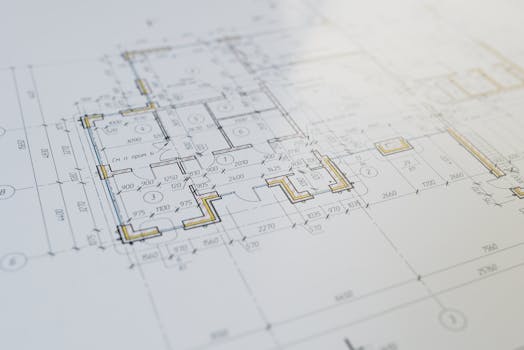
Imagine you have a giant LEGO set, but instead of making a small house, you get to design a whole town or city! Thats a bit like what an Urban Planner does. They are like the architects of towns, but they think about bigger things than just one building. They help decide where new houses should go, where parks should be, and how roads should connect everything so that people can live, work, and play happily. They think about important things like how to make sure there are enough schools for children, safe places for people to walk and cycle, and shops close by. They also think about protecting nature and making sure cities are good for the environment. They often talk to local people, builders, and the council to make sure everyone's ideas are heard and that the plans are the best they can be. Urban Planners work to make sure our towns and cities are good places for everyone. They look at maps and plans, and they use their creativity to imagine what a place could look like in the future. They might help decide where new shops should go, how to make old parts of a town look nice again, or how to make sure new buildings dont block out too much sunlight for existing homes. They are problem-solvers and visionaries, helping to create communities that are safe, friendly, and easy to get around. Its a bit like making a big puzzle where all the pieces fit together perfectly to create a wonderful place for people to live.

Urban Planner

Flag Media

Please select a reason for flagging this content.

📊 Statistics

Starting Salary

A new Urban Planner in the UK might earn around 25,000 to 30,000 pounds a year.

Experienced Salary

With more experience, an Urban Planner could earn between 35,000 and 50,000 pounds a year. Very experienced planners can earn even more.

Number of Jobs

There are usually around 12,000 to 15,000 people working as Urban Planners or in similar roles across the UK, helping to shape our towns and cities.

🚀 Careers in this path

Flag Media

Please select a reason for flagging this content.

Town Designer

Imagine you have a big LEGO set, and you get to decide where all the houses, parks, and shops go in a new town. A Town Designer helps make sure there are nice places to live and play, and that everything fits together perfectly.

Flag Media

Please select a reason for flagging this content.

Park Creator

Do you love playgrounds and green spaces? A Park Creator dreams up amazing parks with swings, slides, trees, and flowers. They think about where to put benches and paths so everyone can enjoy them.

Flag Media

Please select a reason for flagging this content.

Transport Planner

How do people get around your town? A Transport Planner helps design roads for cars, safe paths for bikes and scooters, and routes for buses. They make sure everyone can travel easily and safely from one place to another.

Learning About Places

Explore Your Town

Look around your town or city! What do you like about it? What would you change? Notice where the shops are, where people play, and how cars move around.

Take a walk with a grown-up and really observe. Point out things you see – like bus stops, parks, or shops. Think about why they are in that spot. Are they close to homes? Are they easy to get to? This helps you see your local area with new eyes and understand how it all works together.

Draw Your Dream Town

Get out some paper and crayons and draw what your perfect town would look like. Where would you put a giant playground? Or a cool treehouse library?

When you draw, think about all the different things a town needs. Where would people live? Where would they go to school? Where would they play? And how would everyone get around safely? Don't forget green spaces like parks and gardens, as these are important for everyone to enjoy.

Learn About Buildings

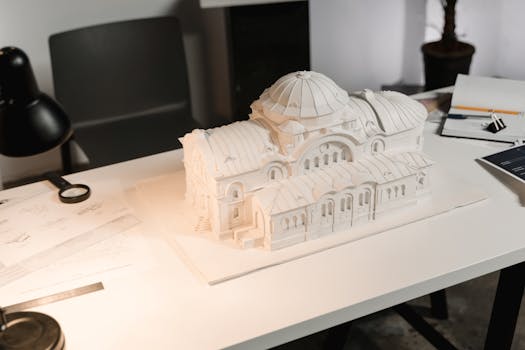
Find out about different types of buildings and why they are built the way they are. How do tall buildings stay up? Why do some houses have big gardens?

You could look at books or videos about famous buildings or even just buildings in your own area. Notice the different materials they use and how the buildings are designed for their purpose. For example, a school needs lots of classrooms and a playground, while a shop needs big windows to show what it sells.

Growing Your Skills

Study Important Subjects

When you get older, subjects like geography, maths, and art will be really helpful. Geography helps you understand the land, maths helps you measure, and art helps you design!

Geography teaches you about landscapes, climates, and how human activities shape the environment. Maths is important for understanding sizes, distances, and budgets. Art and design skills will help you to draw plans and imagine new spaces. All these subjects build important skills for an Urban Planner.

Join a Young Planner Club

Some places have clubs where you can learn about planning and even build model towns with other children. Ask a grown-up if there's one near you!

These clubs are fantastic for meeting other children who are interested in how towns work. You might get to do fun activities like building models, drawing maps, or even visiting local planning projects. It's a great way to learn new things and make friends who share your interests.

Read About Famous Cities

Discover how some of the world's most amazing cities were designed and what makes them special. London, Edinburgh, and Manchester all have interesting stories!

Look for books or documentaries about the history of cities. You'll learn why certain roads were built, why parks are in specific locations, and how cities have changed over many years. Understanding how cities grew in the past helps urban planners think about the future.

Becoming a Planner

Go to University

After school, you'll go to university to study a special course called 'Urban Planning' or 'Town Planning'. This is where you learn all the grown-up skills you'll need.

University courses will teach you about city design, environmental protection, community involvement, and the laws that govern planning. You'll learn how to use special computer software to create maps and plans, and how to work with lots of different people to make plans happen.

Do Work Experience

While you're studying, you might get to spend time with real urban planners, seeing what they do every day. This is called 'work experience'.

Work experience is incredibly valuable because it lets you see firsthand how urban planners solve real-world problems. You might attend meetings, visit building sites, or help with research. It helps you understand what the job is really like and build connections with people already working in the field.

Start Your Planning Job

Once you've finished your studies and work experience, you can apply for a job as an Urban Planner! You'll help make towns and cities better for everyone.

Your first job might be as a junior planner, working with a team to develop new projects. You'll use all the knowledge and skills you've gained to contribute to making important decisions about how places grow and change. It's a rewarding career where you can see your ideas come to life and positively impact communities.

🎬 Useful Videos

🎯 View Apprenticeships

Explore relevant apprenticeships that can help you kickstart your career in Urban Planner. Apprenticeships offer hands-on experience and training while earning a wage.

Career Progressions

This page showcases various career options and the pathways to reach them. Each career listed here shares transferable skills and knowledge, making it easier for individuals to transition between them.

Your current career is highlighted to help you see how it fits into the broader landscape of potential career choices. By clicking on any career, you can learn more about it, including the training and education required to pursue it.

Remember, progressing in your career often involves further learning and training. This page provides insights into future career options as well as those that can lead up to your current one.

These career progression decisions are informed by comparing the skills and knowledge needed for different occupations, along with data on how people move between them. Explore the possibilities and discover the exciting journey ahead in your career!

Sample Qualifications

An Urban Planner's core function is to develop and implement plans for the use of land, resources, and infrastructure in urban and rural areas, which aligns perfectly with the duties and qualifications of a Town Planner in the UK context.

How to become

You can get into this job through:

  • a university course
  • an apprenticeship
  • working towards this role

University

You can study for a degree or a postgraduate qualification accredited by the Royal Town Planning Institute (RTPI).

Subjects include:

  • planning, environment and development
  • city and regional planning
  • geography and planning
  • urban planning and property development

You can do postgraduate qualification in planning if you have a degree in an unrelated subject.

Entry requirements

You'll usually need:

  • 2 to 3 A levels, or equivalent, for a degree
  • a degree in any subject for a postgraduate course

More Information

Apprenticeship

You could apply to do a Chartered Town Planner Level 7 Degree Apprenticeship.

This can take around 5 years to complete and is a mix of on-the-job training and study at university. Contact apprenticeship training providers for details.

Entry requirements

Most people following this route have:

  • 4 or 5 GCSEs at grades 9 to 4 (A* to C) and A levels, or equivalent, for a degree apprenticeship

More Information

Work

You could start as a town planning assistant with an organisation and take further training while you work.

You'll need the backing of your employer and you'll combine practical experience with part-time or distance learning study towards an accredited planning qualification.

Volunteering

You'll find it useful to get as much work experience as possible. This will give you a better understanding of the career, and the contacts you make may help you to find paid work.

You can search for companies listed by the Royal Town Planning Institute or contact your local council to ask about opportunities.

More Information

Professional and industry bodies

You could join the Royal Town Planning Institute for networking, events and professional development training opportunities.

Further information

You can find out more about careers in town planning from the Royal Town Planning Institute.

Interested in More Career Paths?

Explore other careers or use our AI to discover personalised paths based on your interests.

Stay connected

Join our newsletter to stay up to date on features and releases

Address
Developing Experts Limited
Exchange Street Buildings
35-37 Exchange Street
Norwich
NR2 1DP
UK

Phone
01603 273515

Email
[email protected]

Copyright 2026 Developing Experts, All rights reserved.