A biographer is like a super-detective of the past, but instead of solving a crime, they solve the mystery of a person's life! They write detailed stories about real people, from famous historical figures to less known individuals whose lives have an interesting tale to tell. This job involves a lot of research, like digging through old letters, diaries, newspaper articles, and sometimes even interviewing people who knew the person. It's about bringing someone's life story to life for others to read, making it accurate, engaging, and easy to understand. Being a biographer means spending a lot of time reading, thinking, and writing. You need to be very patient and good at finding information from lots of different sources, making sure everything is correct. Then, you have to craft all that information into a compelling story, using your writing skills to make the person and their experiences feel real to the reader. It's a great career for someone who loves history, reading, and telling stories.

The average salary for a professional writer, which often includes biographers, can vary widely. Starting salaries might be around 20,000 to 25,000 pounds per year, but experienced and successful biographers, especially those with published books, can earn 40,000 pounds or more, sometimes significantly more from book advances and royalties.
Being a biographer is often a freelance or self-employed role, meaning there isnt a fixed number of 'positions'. The number of opportunities depends on publishing trends and individual initiative. It's a competitive field, with many writers aspiring to publish biographies each year.
Most biographers have a degree, often in English, History, Journalism, or a related humanities subject. They typically build their experience through extensive reading, research, and writing, often starting with shorter pieces or articles before tackling a full-length biography.
Imagine being a detective for your own family's past! You would research old records, photos, and stories to create a detailed history of your ancestors. You could interview grandparents or great-aunts and uncles to hear their memories and find out what life was like for them growing up.
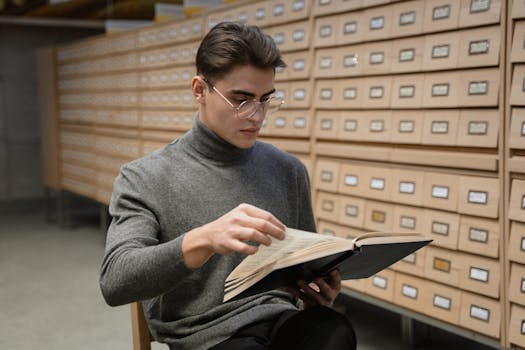
You could write stories for your local newspaper or website about interesting historical events or famous people from your town or city. This would involve interviewing people who remember those times, visiting old buildings, and looking at records in the library or local archives. You'd share exciting past events with everyone.

This is like being a professional listener! You would interview older people in your community and record their life stories, memories, and experiences. You'd help make sure their unique stories are remembered and shared for future generations, creating a valuable collection of personal histories.
Reading is super important for writers! Try to read many different types of books, especially biographies. This helps you understand how stories are told and what makes them interesting.
When you read biographies, pay attention to how the author organises the information, how they describe people and events, and what makes the person's story come alive. Notice if they use quotes, anecdotes, or historical details. Reading widely also helps you improve your vocabulary and understand different writing styles, which are crucial for your own writing.
The more you write, the better you'll become! Try writing short stories, articles for a school newspaper, or even your own blog. Focus on clear descriptions and telling a good story.
Start by writing about things you know and care about. You could write about a family member, a pet, or an event at school. Practise creating characters, developing plot points, and using descriptive language. Don't worry too much about perfection at first; just get your ideas down. Ask a teacher or parent to read your work and give you feedback – it's a great way to learn and improve.
Biographers need to be great at finding facts. Practise researching topics that interest you online, in books, or by interviewing people. Always check that your information is true!
For a biographer, accuracy is key! Learn how to use different search engines effectively and how to tell the difference between reliable sources (like library books, academic journals, or reputable news sites) and less reliable ones (like unverified blogs or social media posts). Practise taking notes on what you find and citing your sources. You could even try interviewing a family member about their childhood – it's a fun way to practise gathering personal stories and details.
At school, pay close attention in English, History, and any subjects that involve research or writing. These subjects will give you a strong foundation for a career as a biographer.
English lessons will help you with grammar, spelling, storytelling, and developing a compelling narrative. History lessons will teach you how to understand different time periods, analyse historical events, and work with primary and secondary sources. Consider taking subjects like Sociology or Psychology if available, as they can help you understand human behaviour and motivation, which is vital for writing about people's lives.
After school, many biographers go to university to study subjects like English Literature, History, Journalism, or Creative Writing. These courses really help to sharpen your skills.
A degree in English Literature or Creative Writing will help you master storytelling, develop your personal voice, and understand literary techniques. A History degree will provide you with advanced research skills, critical analysis, and a deep understanding of historical contexts, which is vital for accurately portraying someone's life. Some universities also offer specific 'Biography' modules or Masters degrees, which could be very beneficial. Look into different university courses and see what sparks your interest.
While studying or after, look for opportunities to write and research. This could be for a student newspaper, local history group, or even by starting your own writing project.
Internships at publishing houses, magazines, or museums can offer valuable insight into the world of research and writing. You could also volunteer for local heritage projects or community newspapers. Starting a blog where you write about historical figures or conduct short interviews can also be a great way to build a portfolio of your work and demonstrate your writing and research abilities to potential publishers or employers.
It's often easier to start by writing shorter pieces like articles, essays, or biographies of lesser-known figures. This helps you build your reputation and get noticed.
You could submit articles to history magazines, online journals, or even contribute to encyclopaedias. These smaller projects allow you to hone your research and writing processes, get published, and start creating a portfolio of work. They also provide opportunities to learn about publishing contracts, editing processes, and working with editors, which are important steps before tackling a full-length biography.
Meet other writers, historians, and publishers. Join writing groups or attend literary events. Learning from experienced people can be incredibly helpful.
Networking can open doors to new opportunities, collaborations, and advice. Attend book launches, writing workshops, and literary festivals. Don't be afraid to introduce yourself to authors or industry professionals. A mentor – an experienced writer who can guide you – can provide invaluable feedback on your work and share insights into the publishing world, helping you navigate your career path more effectively.
Once you have experience, choose a person whose life story you're passionate about telling. Conduct thorough research, write your book, and then seek a publisher or consider self-publishing.
This is the big step! Identify a subject that genuinely interests you and for whom there's enough material to write a compelling book. Develop a detailed book proposal that includes an outline, sample chapters, and a marketing plan. You'll then need to find a literary agent who can help you pitch your book to publishing houses. Alternatively, with the rise of self-publishing, you can take control of the entire process from writing to editing, cover design, and distribution, though this requires a lot of personal effort and investment.
Historians study and write about the past, often focusing on events, periods, or broader societal trends rather than just one person. They use similar research skills to biographers.
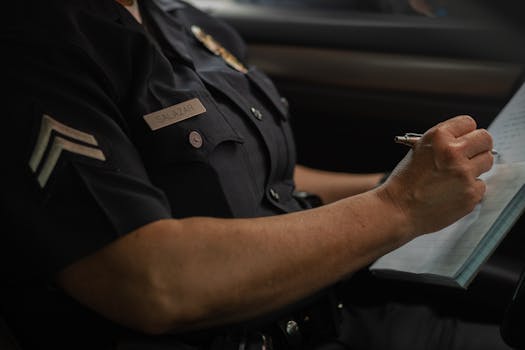
Journalists research and write news stories or articles about current events and people. While biographers look to the past, journalists often look to the present, but both need strong research and writing skills.

An author or novelist writes books, but usually fiction (made-up stories). They share the creative writing aspect with biographers, but biographers are restricted by facts, while novelists can invent their worlds.
Explore relevant apprenticeships that can help you kickstart your career in Biographer. Apprenticeships offer hands-on experience and training while earning a wage.
Explore other careers or use our AI to discover personalised paths based on your interests.
Address
Developing Experts Limited
Exchange Street Buildings
35-37 Exchange Street
Norwich
NR2 1DP
UK
Phone
01603 273515
Email
[email protected]
Copyright 2026 Developing Experts, All rights reserved.

Unlock expert-designed lessons, resources, and assessments tailored for educators. No credit card required.
Claim Your Free Trial →We use cookies to enhance your browsing experience and analyze our traffic. Learn more.

