Imagine you love hearing stories about real people and their amazing lives. Well, a biographer is like a super detective and storyteller all rolled into one! Their job is to learn everything they can about a person's life, from when they were born to all the interesting things they did, big and small. They read old letters, look at photos, talk to people who knew them, and visit places important to their story. Once they have collected all the puzzle pieces, they then write a book that tells that person's whole life story in a fun and easy-to-understand way for everyone else to read. It's about bringing history to life through people's experiences. Being a biographer means you get to explore history and learn about famous people like kings and queens, scientists, artists, or even everyday heroes. You spend a lot of time reading, researching, and thinking carefully about how to tell a story fairly and accurately. It is a bit like being an artist, but instead of paint, you use words to create a picture of someone's life. Biographers help us remember important people and learn lessons from their journeys, showing us how they faced challenges and achieved wonderful things.
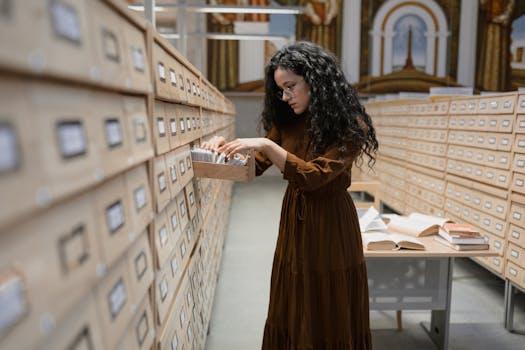
Starting salaries for new writers can be around 20,000 pounds per year, but experienced biographers with published books might earn over 50,000 pounds, or even much more if their books become very popular.
It is hard to say exactly how many biographers there are, as many writers do different kinds of writing. However, there are over 100,000 professional writers in the UK, and many of them will write biographies at some point.
Writing a full biography can take a long time, often between 2 to 5 years, because it involves a lot of research and careful writing.
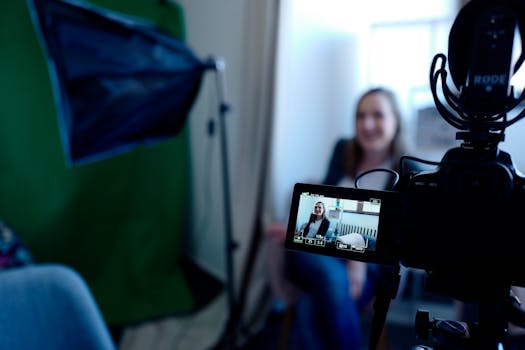
Imagine you are a detective, but for stories! You'd talk to your grandparents and other relatives to learn all about their lives, special adventures, and funny moments. Then you could write them down in a special book or even draw pictures to go with them, making a wonderful record of your family's history.
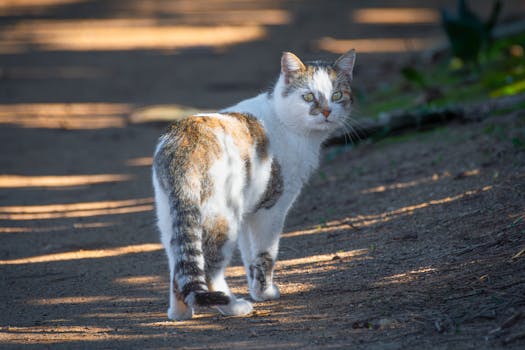
Do you love animals? You could be someone who writes down the story of a pet's life! You'd watch them play, learn what they like to eat, and discover their funny habits. Then you could write a little book about your own pet, or a friend's pet, showing what makes them so special.
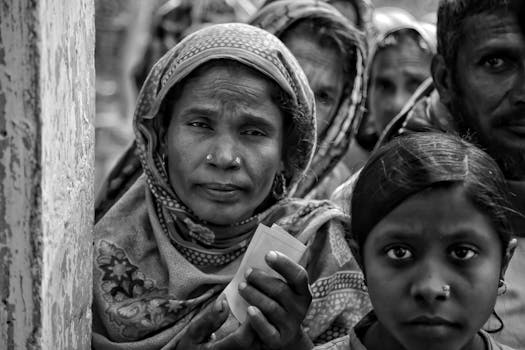
In every town, there are people who do amazing things. You could find out about someone special in your community, like a kind shopkeeper, a brilliant teacher, or someone who helps animals. You'd ask them questions and then write a short story or draw a comic book about why they are a local hero, sharing their good deeds with everyone.
Reading is super important because it helps you learn new words and understand how stories are told. Try reading biographies of your favourite famous people!
The more books you read, the more you'll understand different ways authors write. Look for books about famous scientists, kings and queens, artists, or even people who did amazing things in your local town. Pay attention to how the author describes events and characters.
Biographers are curious! They always want to know more. Practice asking 'who', 'what', 'when', 'where', 'why', and 'how' about everything around you.
When you're curious, you start to notice details that others might miss. Try asking your family about their favourite stories or memories. This helps you practise how to interview people and gather information, which is a big part of a biographer's job.
Try writing down simple stories about your family, friends, or even your pets! What do they like to do? What makes them special?
You could start a special notebook where you write down funny things your little brother said, or a memorable day you had with your grandma. This is your first step to becoming a writer! Don't worry if it's not perfect; the most important thing is to enjoy telling stories.
Write a little bit every day! You can write about your day, a funny dream, or even invent a character and tell their story.
Writing regularly helps you get better and faster at putting your thoughts onto paper. Try to describe things using lots of interesting words, so your reader can imagine what you're talking about. Remember to practise your spelling and grammar too, as clear writing is very important for a biographer.
Biographers need to make sure everything they write is true! Practise looking up information in books, on trusted websites, or by asking grown-ups.
When you're trying to find out about something, like where polar bears live, try to find at least two different places that say the same thing. This helps you know the information is correct. This skill, called 'research', is super important for finding accurate details about a person's life.
When you talk to people, really listen to what they're saying. Biographers listen carefully to capture all the important details.
Listening isn't just about hearing; it's about understanding and remembering. Try to remember what your friend says about their favourite game or a story your teacher tells. Sometimes, the little details are the most interesting parts of a person's story, and you won't catch them if you're not listening carefully.
Talk to your grandparents or older relatives and ask them about their lives. Write down their stories and maybe even draw pictures!
This is a fantastic project that's just like being a real biographer. You'll be gathering stories, old photos, and memories. You could make a simple book using paper and crayons, or ask a grown-up to help you type it up. This helps you practise interviewing and organising information into a story.
If your school has a writing club, or even a book club, joining one can be a great way to meet other young writers and share your ideas.
Being part of a club means you can get ideas from others and share your own stories. You might even get helpful tips on how to make your writing even better. It's a fun way to learn and grow as a writer, just like professional biographers sometimes work with editors or other writers.
Write down your own thoughts, feelings, and what happens to you each day. This helps you understand how people's lives unfold over time.
Keeping a journal is like writing a biography of yourself! It helps you practise describing events and feelings, which are important skills for writing about other people's lives. You'll also learn to look back at past events and understand how they connect, which is a key skill for any biographer.

Historians also love learning about the past, but they usually focus on bigger events, time periods, or places, rather than just one person. They study old documents and objects to understand how things were long ago.
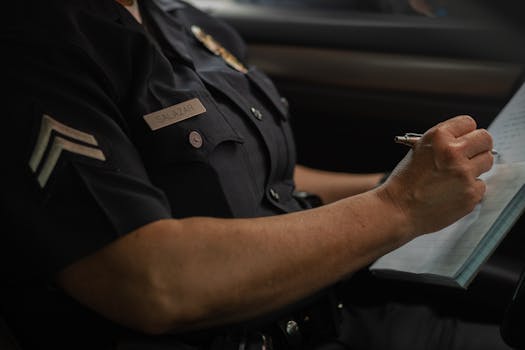
Journalists write about real people and real events too, but usually about things happening right now or very recently. They report the news and write articles for newspapers, magazines, or websites.
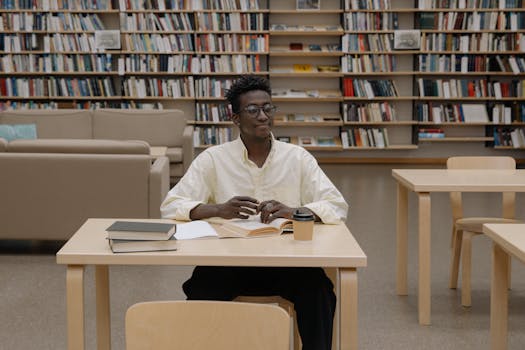
Archivists are like super tidy librarians for old, important documents, photos, and recordings. They look after these historical treasures and help people like biographers find the information they need for their research.
Explore relevant apprenticeships that can help you kickstart your career in Biographer. Apprenticeships offer hands-on experience and training while earning a wage.
Explore other careers or use our AI to discover personalised paths based on your interests.
Address
Developing Experts Limited
Exchange Street Buildings
35-37 Exchange Street
Norwich
NR2 1DP
UK
Phone
01603 273515
Email
[email protected]
Copyright 2026 Developing Experts, All rights reserved.

Unlock expert-designed lessons, resources, and assessments tailored for educators. No credit card required.
Claim Your Free Trial →We use cookies to enhance your browsing experience and analyze our traffic. Learn more.

