

Creating Career Path...

Finding Further Careers...

Military Historian

View this career for different education levels:

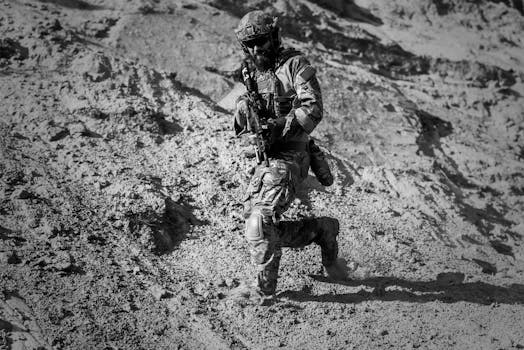
A Military Historian is someone who studies and writes about wars, battles, armies, and the impact of conflict on societies throughout history. They are like detectives of the past, using old letters, diaries, official documents, maps, and even archaeological finds to piece together what happened and why. They dont just focus on fighting, but also look at how technology changed warfare, how leaders made decisions, and how ordinary people were affected by conflict. Their work helps us understand the past and learn important lessons for the future. To do this job, a Military Historian spends a lot of time researching in libraries, archives, and sometimes even visiting battlefields. They might work at a university, teaching students and writing books or articles, or at a museum, helping to create exhibitions and educate the public. Some also work for government departments or as consultants for films and documentaries, ensuring historical accuracy. It requires a lot of reading, critical thinking, and excellent writing skills to share their discoveries with others.

Military Historian

Flag Media

Please select a reason for flagging this content.

📊 Statistics

Average Starting Salary

For someone starting out in an academic or museum role that involves historical research, a starting salary might be around 25,000 to 30,000 pounds per year.

Experienced Salary Range

Experienced military historians in senior academic positions, museums, or publishing can earn between 40,000 and 70,000 pounds or more annually, depending on their specialism and responsibilities.

Job Market Overview

While not a huge number of specific 'Military Historian' roles are advertised directly, opportunities exist within universities, museums, archives, government departments (like the Ministry of Defence), and publishing houses. The field is competitive, and often requires postgraduate qualifications.

🚀 Careers in this path

Flag Media

Please select a reason for flagging this content.

Military Archivist

Imagine being a detective for history. A Military Archivist looks after old letters, maps, photos, and other important items from the military. You'd organise them, keep them safe, and help people find what they're looking for to learn more about the past.

Flag Media

Please select a reason for flagging this content.

Museum Curator for Military Exhibitions

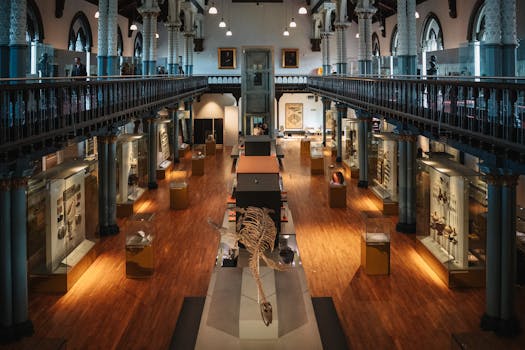
If you love telling stories and bringing history to life, a Museum Curator for Military Exhibitions could be perfect. You'd help design exhibitions in museums, choosing artefacts, writing descriptions, and making sure visitors have an exciting and informative experience learning about military history.

Flag Media

Please select a reason for flagging this content.

Historical Battlefield Guide

For those who enjoy being outdoors and sharing knowledge, a Historical Battlefield Guide leads groups of people around famous battle sites. You'd research the events that happened there and explain them in an engaging way, helping visitors imagine what it was like for the soldiers.

Build a Strong Foundation

Excel in School Subjects

Focus on subjects like History, English, and other humanities. These will be super important for understanding the past and communicating your ideas clearly.

Doing well in History will give you a head start in understanding historical events, timelines, and how to analyse sources. English will help you write essays, research papers, and eventually books, clearly and engagingly. Other subjects like Geography can also be really useful for understanding battlefields and military movements.

Read, Read, Read!

Dive into books about history, especially military history. The more you read, the more you'll learn and discover what areas you find most interesting.

Start with general history books and then explore specific conflicts, famous generals, or even the lives of ordinary soldiers. Visiting your local library is a great way to find lots of different books. Reading widely helps you build up a strong knowledge base and develops your critical thinking skills.

Visit Historical Sites and Museums

Experience history firsthand by visiting museums, battlefields, and historical sites. It brings the past to life!

Many places in the UK have amazing military history, from castles to museums like the Imperial War Museum. Seeing artefacts, reading displays, and walking on historical ground can make history feel much more real and inspire your passion even further. Look out for special exhibitions and educational events.

Further Your Education

Choose A-Levels Wisely

After GCSEs, pick A-Levels that will help you get into university for a history degree. History is a must-have!

Most universities will expect you to have A-Level History for a History degree. Other good choices include English Literature, Sociology, Politics, or even a language. These subjects help you develop skills in research, analysis, and essay writing, which are all crucial for a historian. Always check specific university requirements.

Complete a University Degree

Go to university to study History. This is where you'll learn advanced research skills and deep historical knowledge.

A Bachelor's degree (BA Hons) in History is typically the first step. Look for universities with strong history departments, especially ones that offer modules in military history if that's your particular interest. You'll learn how to critically evaluate sources, conduct academic research, and write detailed historical essays.

Consider a Postgraduate Degree

For many historian roles, especially in academia or museums, a Master's (MA) or PhD in History is essential.

A Master's degree allows you to specialise in a particular area of history, like 'Military History' or 'War Studies'. A PhD involves conducting original research and writing a long dissertation, making you an expert in your chosen field. These advanced degrees are often required for university lecturing positions or curatorial roles in major museums.

Gain Experience and Specialise

Volunteer or Intern

Get practical experience by volunteering at museums, archives, or historical societies. This shows you're keen and helps you learn how things work.

Many museums and archives offer volunteer placements where you can help with cataloguing, research, or even public engagement. This hands-on experience is invaluable for understanding the day-to-day work of a historian, building your network, and deciding if this is truly the career for you. It also looks great on your CV!

Develop Research Skills

Learn how to find and use historical sources like old letters, maps, and official documents in archives and online databases.

This involves understanding how archives are organised, how to search for relevant documents, and how to interpret different types of historical evidence. You'll learn to use primary sources (original documents from the time) and secondary sources (books and articles written by other historians). Strong research skills are the backbone of any historian's work.

Start Writing and Sharing

Practise writing about history. You could start a blog, contribute to school projects, or even try writing for local historical publications.

Historians need to be excellent communicators. Writing articles, giving presentations, or even creating educational content online helps you refine your ability to explain complex historical events clearly and engagingly. This also helps you build a portfolio of your work, which will be useful when applying for jobs or further studies.

🎬 Useful Videos

🎯 View Apprenticeships

Explore relevant apprenticeships that can help you kickstart your career in Military Historian. Apprenticeships offer hands-on experience and training while earning a wage.

Career Progressions

This page showcases various career options and the pathways to reach them. Each career listed here shares transferable skills and knowledge, making it easier for individuals to transition between them.

Your current career is highlighted to help you see how it fits into the broader landscape of potential career choices. By clicking on any career, you can learn more about it, including the training and education required to pursue it.

Remember, progressing in your career often involves further learning and training. This page provides insights into future career options as well as those that can lead up to your current one.

These career progression decisions are informed by comparing the skills and knowledge needed for different occupations, along with data on how people move between them. Explore the possibilities and discover the exciting journey ahead in your career!

Sample Qualifications

A Military Historian often works within or in close association with the armed forces, requiring a deep understanding of military strategy, operations, and history. While not directly a combat role, the 'Army officer' title is the closest fit as it represents a command, analytical, and strategic role within the military context, which aligns with the specialised knowledge a Military Historian possesses about military institutions and conflicts.

How to become

You could get into this job through:

  • a university course
  • a college course
  • an apprenticeship
  • applying directly

University

You can do a degree course before you apply for officer training although it's not essential.

Most subjects are acceptable.

You can also apply for an army officer internship before, during or after university. This gives you the chance to learn about the officer role and whether it's something you want to do.

Entry requirements

You'll usually need:

  • 2 to 3 A levels, or equivalent, for a degree

More Information

College

You could work towards becoming an officer by doing a college course, for example in public services or A levels. You would then apply to the army for officer training.

Entry requirements

Entry requirements for these courses vary.

More Information

Apprenticeship

You could start your army career by doing an HM Forces Serviceperson Level 2 Intermediate Apprenticeship.

You would apply directly to the army to find the best apprenticeship route for you.

Entry requirements

To do this apprenticeship, you'll need:

  • some GCSEs, usually including English and maths, or equivalent, for an intermediate apprenticeship

More Information

Volunteering

You can join the Army Reserve as a part-time officer to get some experience of what life is like in the regular army. You'll also learn new skills at the same time.

You'll need to:

  • be between 18 and 49
  • commit to at least 27 days a year, though this can fall to 19, if you apply for a specialist unit
  • attend a 2-week training camp each year

If you're between 12 and 18 years old, you can join the Army Cadet Force.

Direct Application

You can apply directly for officer training.

You'll need to:

  • be between 17 years 9 months and 28 years and 11 months
  • get a GP's medical report

You'll also usually need a minimum of:

  • GCSEs at grades 9 to 4 (A* to C), or equivalent, including English, maths, science or a foreign language
  • 2 A levels or equivalent qualifications

You'll be invited to talk to someone at your local army careers centre about the opportunities available. You'll then attend a 2-part assessment, which includes medical and fitness tests.

If you're accepted, you'll move onto formal officer training at the Royal Military Academy at Sandhurst in Surrey.

Further information

You'll find more information about becoming an army officer from Army Careers.

Interested in More Career Paths?

Explore other careers or use our AI to discover personalised paths based on your interests.

Stay connected

Join our newsletter to stay up to date on features and releases

Address
Developing Experts Limited
Exchange Street Buildings
35-37 Exchange Street
Norwich
NR2 1DP
UK

Phone
01603 273515

Email
[email protected]

Copyright 2025 Developing Experts, All rights reserved.
