
Creating Career Path...

Finding Further Careers...

Military Historian

View this career for different education levels:

Imagine you love stories about knights, battles, and brave soldiers from a long, long time ago, or even more recently. A Military Historian is someone who studies these stories and makes sure we remember them correctly. They are like super detectives who look for clues in old letters, diaries, maps, and even old uniforms or weapons. They want to understand why wars happened, what it was like for the people involved, and what we can learn from it all. They spend their time reading lots of books, visiting museums, and sometimes travelling to where important events took place. Once they have gathered all their information, Military Historians share what they have learned. They might write books, articles, or even make documentaries for TV. Sometimes they teach at universities, helping older students learn about the past, or they might work in museums helping to tell these important stories to everyone. It is a job for someone who is very curious, loves reading, and wants to help us understand the past so we can make better choices for the future.

Military Historian

Flag Media

Please select a reason for flagging this content.

📊 Statistics

Average Starting Salary

For someone just starting out as a Military Historian or in a related research role in the UK, they might expect to earn around 22,000 to 28,000 pounds per year. This can go up quite a lot as they get more experience.

Experienced Salary Range

With more experience, a Military Historian in the UK could earn between 30,000 and 50,000 pounds a year. Very experienced or famous historians working at universities or museums might earn even more.

Number of Positions

While there isnt a precise number just for 'Military Historians' as it is a specialised field within history, there are several hundred university lecturer positions for historians across the UK, plus roles in museums, archives, and government departments where military history is important. It is a competitive field.

🚀 Careers in this path

Flag Media

Please select a reason for flagging this content.

Archaeologist

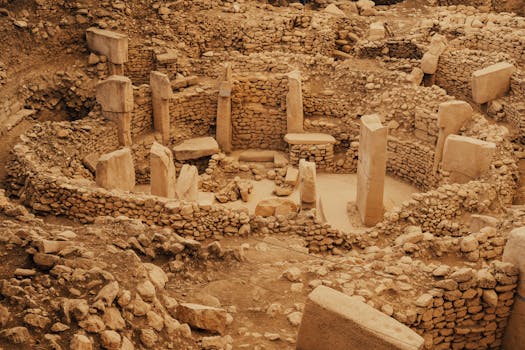
Imagine you're a detective for old things! An archaeologist digs up things like ancient Roman coins or Viking swords to learn about how people lived a long, long time ago. They help us understand history from the things people left behind.

Flag Media

Please select a reason for flagging this content.

Museum Curator

A museum curator is like a storyteller for a museum. They choose amazing historical objects, arrange them beautifully, and write descriptions so visitors can learn all about them. They might look after old army uniforms or famous battle maps.

Flag Media

Please select a reason for flagging this content.

Documentary Maker

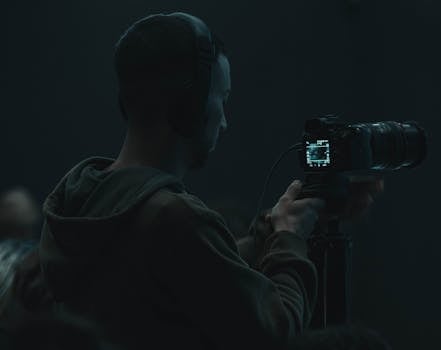
Do you like watching exciting films about history? A documentary maker is like a film director who creates movies all about real historical events or famous people. They might make a film about a famous battle or an important historical figure.

Spark Your Curiosity

Read Exciting History Books

Start by reading lots of books about knights, Romans, World Wars, or any historical period that has soldiers and battles. Look for books with pictures and exciting stories!

Visit your local library and ask the librarian for books on military history, ancient civilisations, or famous battles. You could also look for children's encyclopaedias that cover different historical periods and armies. Reading widely will help you discover which parts of military history you find most fascinating.

Watch Documentaries and Films

Watch TV shows and films that tell stories about history, especially ones about soldiers, castles, and historical events. These can make history feel very real and exciting.

Look for documentaries made for children that explain historical events simply. Ask your parents to help you find age-appropriate films or TV series about historical figures, wars, or ancient times. Seeing history brought to life on screen can spark your imagination and help you visualise the past.

Visit Museums and Castles

Go to museums to see old weapons, uniforms, and artefacts, or visit castles and historical sites. It's like stepping back in time!

Many towns and cities in the UK have museums with sections dedicated to local history or military history. Castles often have special events for children that explain how people lived long ago. Looking at real objects from the past, like armour or old flags, can help you feel a connection to the stories you've read about.

Learn and Grow

Do Well in School

Pay attention in subjects like History, English, and Geography. Learning to read, write, and understand maps well will be very important for a historian.

History lessons in school will introduce you to different historical periods and how historians think. English helps you read old documents and write clearly about what you find. Geography helps you understand battlefields and how armies moved. All these subjects are like building blocks for becoming a great historian.

Join History Clubs

If your school has a history club or a debating society, join it! You can share your ideas and learn from others who also love history.

History clubs often do fun activities like historical re-enactments, research projects, or visits to historical sites. Debating can help you think critically and present your ideas clearly, which is a very important skill for a historian who needs to explain their findings to others.

Start Your Own History Collection

You could collect old coins, stamps, or even build models of historical planes or ships. Thinking about how these things tell a story is great practice.

Collecting items like old postcards, militaria, or even just interesting rocks can teach you about different eras and how to care for old things. Building models, like a Spitfire plane or a Roman fort, can help you understand the design and function of historical objects and structures. This hands-on experience helps develop a historian's eye for detail.

Becoming a Professional

Study at University

After school, you'd go to university to study History or Military History. This is where you learn how to be a real historian!

At university, you'll learn how to research using old documents, maps, and artefacts. You'll study different wars and military leaders in much more detail than at school. You might even specialise in a particular period, like ancient Rome or the First World War, learning from professors who are experts in those fields.

Visit Archives and Libraries

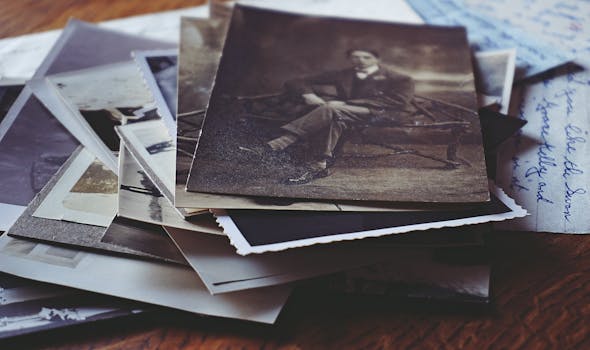
Historians spend a lot of time in special libraries called 'archives'. They look at very old letters, diaries, and official papers that nobody else has seen for a long time.

Archives are like treasure chests full of historical documents. You would learn how to carefully handle and read these old papers, even if they're written in a different style or on fragile paper. This is how historians find new information and make discoveries that change what we know about the past.

Share Your Discoveries

Once you've found exciting new information, you can write books, articles, or even make documentaries to share your stories with the world!

A big part of being a historian is telling the stories you've uncovered. You might write a book that explains a battle in a new way, or create a podcast about a forgotten hero. Sharing your work helps others learn from history and ensures that the past isn't forgotten, continuing the important work of understanding our world.

🎯 View Apprenticeships

Explore relevant apprenticeships that can help you kickstart your career in Military Historian. Apprenticeships offer hands-on experience and training while earning a wage.

Career Progressions

No career progressions found for Military Historian

Sample Qualifications

A Military Historian often requires an in-depth understanding of military strategy, operations, and leadership, which aligns closely with the knowledge base and background of an Army officer. While not a direct historical role, it is the closest profession listed that relates to military expertise and intellectual engagement with military matters.

How to become

You could get into this job through:

  • a university course
  • a college course
  • an apprenticeship
  • applying directly

University

You can do a degree course before you apply for officer training although it's not essential.

Most subjects are acceptable.

You can also apply for an army officer internship before, during or after university. This gives you the chance to learn about the officer role and whether it's something you want to do.

Entry requirements

You'll usually need:

  • 2 to 3 A levels, or equivalent, for a degree

More Information

College

You could work towards becoming an officer by doing a college course, for example in public services or A levels. You would then apply to the army for officer training.

Entry requirements

Entry requirements for these courses vary.

More Information

Apprenticeship

You could start your army career by doing an HM Forces Serviceperson Level 2 Intermediate Apprenticeship.

You would apply directly to the army to find the best apprenticeship route for you.

Entry requirements

To do this apprenticeship, you'll need:

  • some GCSEs, usually including English and maths, or equivalent, for an intermediate apprenticeship

More Information

Volunteering

You can join the Army Reserve as a part-time officer to get some experience of what life is like in the regular army. You'll also learn new skills at the same time.

You'll need to:

  • be between 18 and 49
  • commit to at least 27 days a year, though this can fall to 19, if you apply for a specialist unit
  • attend a 2-week training camp each year

If you're between 12 and 18 years old, you can join the Army Cadet Force.

Direct Application

You can apply directly for officer training.

You'll need to:

  • be between 17 years 9 months and 28 years and 11 months
  • get a GP's medical report

You'll also usually need a minimum of:

  • GCSEs at grades 9 to 4 (A* to C), or equivalent, including English, maths, science or a foreign language
  • 2 A levels or equivalent qualifications

You'll be invited to talk to someone at your local army careers centre about the opportunities available. You'll then attend a 2-part assessment, which includes medical and fitness tests.

If you're accepted, you'll move onto formal officer training at the Royal Military Academy at Sandhurst in Surrey.

Further information

You'll find more information about becoming an army officer from Army Careers.

Interested in More Career Paths?

Explore other careers or use our AI to discover personalised paths based on your interests.

Stay connected

Join our newsletter to stay up to date on features and releases

Address
Developing Experts Limited
Exchange Street Buildings
35-37 Exchange Street
Norwich
NR2 1DP
UK

Phone
01603 273515

Email
[email protected]

Copyright 2025 Developing Experts, All rights reserved.
